Pneumatic control is an essential technology in industrial automation, using compressed air to control machines and processes. In this article, we will explore its applications, advantages and how it can transform the operational efficiency of industries.
What is Pneumatic Control?
O pneumatic control is a system that uses compressed air to control and operate machines and equipment. It is widely used in various industries due to its efficiency and reliability. The operation of this system is based on the transformation of compressed air energy into mechanical movement.
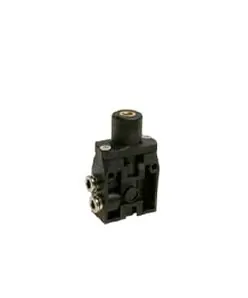
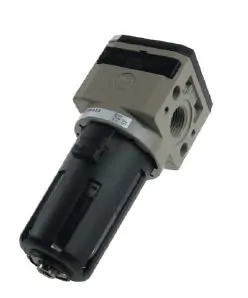
The main components of a pneumatic control system include Valves, actuators e pneumatic pumps. Valves are responsible for directing air flow, while actuators convert air energy into movement, allowing machines to perform their functions. Pneumatic pumps, in turn, are used to generate the compressed air necessary for the system to function.
One of the main characteristics of pneumatic control is its ability to operate in adverse environments, where electricity can pose a risk. Furthermore, the system is known for its speed e precision in operations, which makes it ideal for applications that require high performance.
In summary, pneumatic control is an effective solution for industrial automation, offering a combination of safety, efficiency and versatility in various applications.
Advantages of Pneumatic Control in Industry
O pneumatic control offers several advantages that make it a popular choice in industrial automation. One of the main advantages is the energy efficiency. The use of compressed air allows machines to operate quickly and efficiently, reducing downtime and increasing productivity.
Another significant advantage is the security. Pneumatic systems do not use electricity, which reduces the risk of fires and explosions in industrial environments. This is especially important in industries such as chemicals and pharmaceuticals, where safety is a priority.
Furthermore, pneumatic control is known for its ease of maintenance. Pneumatic components are generally simpler and more robust, which results in fewer failures and the need for frequent repairs. This translates into lower operating costs in the long term.
O precise control that pneumatic systems offer is also an advantage. They allow fine adjustments to operations, ensuring machines perform to desired specifications. This is crucial in processes that require high precision, such as the assembly of electronic components.
Finally, the versatility of pneumatic systems is a notable feature. They can be used in a wide range of applications, from moving parts to automating complex processes. This flexibility allows industries to adapt their systems according to market needs.
Practical Applications of Pneumatic Control
O pneumatic control It is widely used in various industries due to its efficiency and versatility. One of the most common applications is in assembly line automation. In these systems, compressed air is used to move parts, operate tools and control safety devices, increasing productivity and safety in the work environment.
Another important application is in material handling. Pneumatic systems are often used to lift, push and pull heavy objects, facilitating the transportation of materials in factories and warehouses. This is especially useful in sectors such as construction and logistics, where efficient movement of cargo is crucial.
Furthermore, pneumatic control is used in packaging machines. Compressed air controls the operation of devices that seal, cut and label products, ensuring that packaging is done quickly and accurately. This application is vital for the food and pharmaceutical industries, where efficiency and hygiene are essential.
Pneumatic systems are also applied in painting equipment. They allow precise control of pressure and paint flow, resulting in high-quality finishes. This is especially important in automotive industries, where the aesthetics of the final product are paramount.
Finally, pneumatic control is used in process control devices, such as valves and actuators. These components are essential for regulating the flow of liquids and gases in various industrial applications, ensuring that processes operate efficiently and safely.
How to Implement a Pneumatic Control System
Implement a pneumatic control system requires careful planning and technical knowledge. The first step is to carry out a needs analysis of your operation. It is important to identify which processes can be optimized with the use of compressed air and which equipment will be needed.
After the analysis, the next step is select the appropriate components. This includes valves, actuators, pumps and piping. The choice of components must take into account the operating pressure, the type of fluid and the specifications of each machine. It is essential to choose quality products, such as those offered by brands Graco Inc. e Pneumax, which guarantee reliability and durability.
Once the components have been selected, it is time to design the system. This involves creating a diagram that shows how the components will be interconnected. The project must include details about the layout of the pipes, the location of the valves and the integration with other systems existing in the factory.
After the project, the installation components must be carried out by qualified professionals. It is important to follow safety standards and manufacturer recommendations during installation. The connection of the pipes must be done in such a way as to avoid leaks and ensure efficient air flow.
After installation, it is essential to carry out functional tests. These tests help identify potential failures and ensure that the system operates as expected. Adjustments may be necessary to optimize system performance.
Finally, the regular maintenance is crucial to ensuring the longevity of the pneumatic system. This includes checking for leaks, cleaning filters and replacing worn components. A good maintenance plan helps to avoid unexpected downtime and maintain operational efficiency.