Valve controls are essential components in pneumatic automation systems, allowing precise control of air and fluid flow. At Dupulação, we offer a variety of valves that stand out for their reliability and performance. Our products are designed to meet the specific needs of each application, ensuring efficiency and safety in industrial processes.
1. What is a Valve Control?
What is a Valve Control?
A valve is a device that controls the flow of air or fluids in a pneumatic system. THE valve command It is responsible for opening or closing the air passage, allowing the system to function efficiently. These commands can be operated manually or automatically depending on the application.
Types of Valve Commands
There are different types of valve trains, each designed to meet specific needs. The valves 2/2 vias They have two ports and are used to control flow in one direction. The valves 3/2 vias They have three ports and are often used in pneumatic cylinders, allowing them to switch between two positions. The valves 5/2 vias They are more complex, with five ports, and are ideal for controlling dual actuators, offering greater flexibility in movement control.
Practical Applications
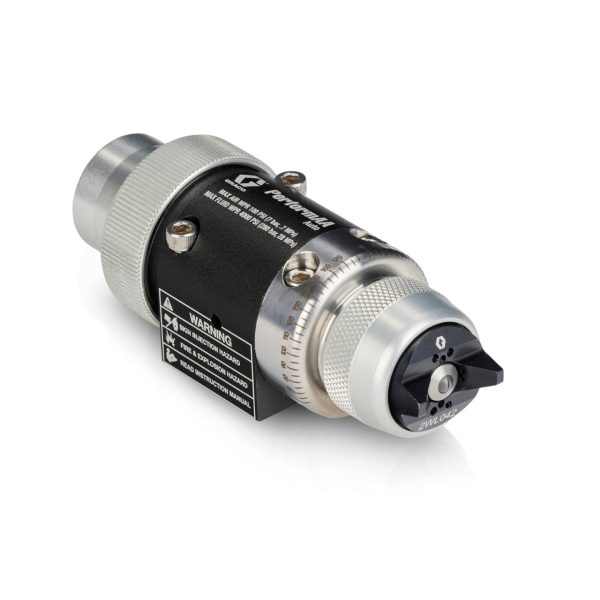
Valve controls are widely used in various industries. In industrial automation, for example, they control the movement of machines and equipment, ensuring efficiency and safety. In systems of paint, the valves regulate the pressure and flow of paint, resulting in high quality finishes. Furthermore, in processes of fluid handling, valves ensure that liquids are transported in a safe and controlled manner.
Advantages of Duplication Products
Choose the valves Duplation brings several advantages. Our products are manufactured with high quality materials, ensuring durability and reliability. Additionally, we offer specialized technical support, helping our customers choose the best solutions for their needs. Confidence in our products is reinforced by partnerships with renowned brands, such as Graco Inc. e Pneumax, which are synonymous with excellence in the market.
Definition and basic functioning of valve controls in pneumatic systems.
Definition and basic functioning of valve controls in pneumatic systems.
Os valve commands They are fundamental devices in pneumatic systems, used to control the flow of compressed air or fluids. They act as switches, allowing or blocking air passage in different directions. The basic operation of a valve control involves the movement of an internal element, which can be a piston or a diaphragm, which moves to open or close the valve doors.
When an electrical or pneumatic signal is sent to the control, it activates the internal mechanism, changing the position of the valve. This can result in the activation of an actuator, such as a pneumatic cylinder, that performs a specific action, such as moving a part or pressing on a material. Precise control of air flow is essential to ensure the efficiency and safety of industrial processes.
Valve controls can be classified into different types depending on their configuration and number of ports. Each type is designed to meet specific needs, offering versatile solutions for a wide range of applications. Choosing the appropriate control is crucial to optimize the performance of the pneumatic system and ensure the effective operation of the equipment.
2. Types of Valve Commands
Types of Valve Commands
Valve controls are classified into different types, each designed to meet specific needs in pneumatic systems. Among the main types, the following stand out: 2/2 vias, 3/2 vias e 5/2 vias.
2/2 Way Valves
2/2-way valves have two ports and are used to control flow in a single direction. They are ideal for simple applications, where it is necessary to open or close the air or fluid passage. These valves can be operated manually or automatically depending on the system.
3/2 Way Valves
3/2-way valves have three ports and are often used in pneumatic cylinders. They allow you to switch between two positions, controlling the movement of the cylinder. When the valve is activated, air is directed to one port while the other is released, allowing the cylinder to move forward or backward.
5/2 Way Valves
5/2-way valves are more complex, with five ports, and are ideal for controlling dual actuators. They offer greater flexibility in movement control, allowing a single command to control two cylinders simultaneously. These valves are widely used in applications that require precise and efficient control of movements.
Each type of valve control has its specific characteristics and applications, and it is essential to choose the appropriate model to guarantee the efficiency and safety of the pneumatic system.
Exploration of the different types of valves available, such as 2/2, 3/2 and 5/2-way valves.
Exploration of the different types of valves available, such as 2/2, 3/2 and 5/2-way valves.
Valve controls are essential for the efficient operation of pneumatic systems. They are classified into different types, each with specific characteristics that suit different applications. Among the most common types are valves 2/2 vias, 3/2 vias e 5/2 vias.
2/2 Way Valves
2/2-way valves have two ports: one for input and one for output. They are mainly used in simple systems, where it is necessary to control the flow of air or fluid in a single direction. These valves can be operated manually or automatically depending on the needs of the system. The simplicity of their construction makes them ideal for applications that do not require complex control.
3/2 Way Valves
3/2-way valves have three ports and are often used in pneumatic cylinders. They allow air to be directed into one cylinder, causing it to move in one direction, while the other port is released. When the valve is activated again, the air flow is reversed, causing the cylinder to return to its original position. This type of valve is essential in applications that require alternating movement, such as in automation and process control systems.
5/2 Way Valves
5/2-way valves are more complex, with five ports, and are designed to control dual actuators. They allow a single command to control two cylinders simultaneously, offering greater flexibility and efficiency. These valves are ideal for applications that require precise control of movements, such as in assembly lines and material handling systems. The ability to switch between different positions quickly and efficiently makes 5/2-way valves a popular choice in industrial environments.
Each type of valve control has its advantages and disadvantages, and choosing the appropriate model depends on the specific needs of each application. Understanding the differences between these types of valves is essential to optimizing the performance of pneumatic systems.
3. Practical applications
Practical Applications
Valve controls play a crucial role in several industries, being used in a variety of practical applications. In industrial automation, for example, these devices are essential for controlling machines and equipment. They allow operators to manage the flow of compressed air, ensuring processes run efficiently and safely.
Automotive industry
In the automotive industry, valve controls are used in automated painting systems. Valves control the pressure and flow of paint, ensuring that the application is uniform and of high quality. This is essential to obtain consistent finishes and reduce waste.
Food sector
In the food sector, valves are used in packaging and product handling systems. They ensure that fluids, such as oils and sauces, are transported in a safe and controlled manner. Precision flow control is vital to maintaining food quality and safety.
Pharmaceutical
In the pharmaceutical industry, valve controls are used in processes of mixing and dosing chemical products. Automating these processes increases efficiency and reduces the risk of contamination, ensuring that medicines are produced in compliance with safety standards.
Construction and Maintenance
In construction and maintenance applications, valves control the operation of pneumatic tools such as drills and impact wrenches. Precise control of compressed air allows these tools to operate effectively, increasing productivity and workplace safety.
These examples illustrate how valve controls are fundamental in various applications, contributing to efficiency and safety in industrial processes. Choosing the appropriate type of valve is essential to optimize performance and meet the specific needs of each sector.
Examples of how valve controls are used in various industries, including automation and process control.
Examples of how valve controls are used in various industries, including automation and process control.
Valve controls are widely used in various industries, playing a crucial role in automation and process control. Here are some practical examples of its application:
1. Automotive Industry
In the automotive industry, valve controls are essential in automated painting systems. They control the pressure and flow of paint, ensuring a uniform, high-quality application. This is essential to obtain consistent finishes and reduce waste, increasing the efficiency of the painting process.
2. Food Sector
In the food sector, valves are used in product packaging and handling systems. They ensure that liquids, such as oils and sauces, are transported in a safe and controlled manner. Precise flow control is vital to maintaining food quality and safety, preventing contamination and ensuring compliance with food safety standards.
3. Pharmaceutical Industry
In the pharmaceutical industry, valve controls are used in processes of mixing and dosing chemical products. Automating these processes increases efficiency and reduces the risk of contamination, ensuring that medicines are produced in accordance with safety and quality standards. The use of accurate valves is crucial to ensure the correct dosage of active ingredients.
4. Construction and Maintenance
In construction and maintenance applications, valve drives control the operation of pneumatic tools such as drills and impact wrenches. Precise control of compressed air allows these tools to operate effectively, increasing productivity and workplace safety. The use of appropriate valves ensures that the tools operate at the correct pressure, preventing failures and accidents.
5. Pneumatic Conveying Systems
Valve controls are also used in pneumatic conveying systems, where bulk materials are moved through pipes. The valves control the air flow that transports the materials, ensuring that the process occurs efficiently and without obstructions. Automation in this type of system is essential to optimize production and reduce operational costs.
These examples demonstrate how valve controls are fundamental in various applications, contributing to efficiency and safety in industrial processes. Choosing the appropriate type of valve is essential to optimize performance and meet the specific needs of each sector.
4. Advantages of Duplication Products
Advantages of Duplication Products
Choose valves from Duplation brings several advantages that stand out in the pneumatic automation market. The quality of the products is one of the main differentiators. The valves are manufactured with high resistance materials, ensuring durability and performance in adverse conditions. This means customers can count on products that withstand high pressures and temperatures, reducing the need for frequent maintenance.
Reliability
Reliability is another strong point of Duplado valves. They are designed to operate continuously and efficiently, minimizing the risk of failures during operation. This is crucial in industrial environments, where process disruption can result in significant losses. Dupulação carries out rigorous quality tests on its products, ensuring that each valve meets the most demanding standards in the sector.
Specialized Technical Support
Dupulação also stands out for the technical support offered to its customers. The team of experts is available to help you choose the most suitable product for each application, as well as providing guidance on installation and maintenance. This support is essential to ensure that systems function optimally, increasing operational efficiency.
Variety of products
The company offers a wide range of valves, including 2/2, 3/2 and 5/2 way models, allowing customers to find the ideal solution for their specific needs. This variety is important to serve different sectors, such as industrial automation, food and pharmaceuticals.
Partnerships with Renowned Brands
Furthermore, Dupulação is a partner of recognized brands, such as Graco Inc. e Pneumax, which are synonymous with quality and innovation. This collaboration ensures that the products offered are of high performance and advanced technology, providing customers with reliable and efficient solutions.
These advantages make Duplado a preferred choice for companies looking for quality, reliability and technical support in their pneumatic systems.
Benefits of choosing Duplado valves, including quality, reliability and technical support.
Benefits of choosing Duplado valves, including quality, reliability and technical support.
Choose the valves Duplation offers a series of benefits that are fundamental to the success of industrial operations. The quality of the products is one of the main differentiators. The valves are manufactured with high resistance materials, which guarantees durability and performance in adverse conditions. This means customers can count on products that withstand high pressures and temperatures, reducing the need for frequent maintenance.
Reliability
Reliability is another crucial aspect of Duplation valves. They are designed to operate continuously and efficiently, minimizing the risk of failures during operation. This is essential in industrial environments, where process interruption can result in significant losses. Dupulação carries out rigorous quality tests on its products, ensuring that each valve meets the most demanding standards in the sector.
Specialized Technical Support
Dupulação stands out for the technical support offered to its customers. The team of experts is available to help you choose the most suitable product for each application, as well as providing guidance on installation and maintenance. This support is essential to ensure that systems function optimally, increasing operational efficiency.
Variety of products
The company offers a wide range of valves, including 2/2, 3/2 and 5/2 way models, allowing customers to find the ideal solution for their specific needs. This variety is important to serve different sectors, such as industrial automation, food and pharmaceuticals.
Partnerships with Renowned Brands
Dupulação is a partner of recognized brands, such as Graco Inc. e Pneumax, which are synonymous with quality and innovation. This collaboration ensures that the products offered are of high performance and advanced technology, providing customers with reliable and efficient solutions.
These benefits make Duplado a preferred choice for companies seeking quality, reliability and technical support in their pneumatic systems.