Pneumatic circuits are fundamental in industrial automation, using compressed air to move and control equipment. In this article, we will explore the essential components, operation and advantages of pneumatic circuits in various applications.
1. What is a Pneumatic Circuit?
One pneumatic circuit is a system that uses compressed air to perform mechanical work. These circuits are widely used in industrial automation, where efficiency and precision are essential.
The basic functioning of a pneumatic circuit involves compressing air, which is stored in a reservoir and then directed to different components of the system.
Pneumatic circuits are composed of various elements, such as compressors, valves, actuators and piping. The compressor is responsible for generating compressed air, while the valves control the air flow to the actuators, which are responsible for executing the desired movement. Piping connects all of these components, allowing compressed air to circulate through the system.
One of the main characteristics of pneumatic circuits is their ability to perform rapid movements and accurate. This makes them ideal for applications that require high speed and repeatability, such as in assembly lines and packaging processes.
Additionally, pneumatic circuits are relatively simple to install and maintain, which contributes to their popularity in the industry.
In summary, a pneumatic circuit is an effective solution for automating processes, using compressed air as an energy source. Its structure and functioning allow it to play a crucial role in various industrial applications.
2. Components of a Pneumatic Circuit
Os components of a pneumatic circuit are essential for its efficient functioning. Each part plays a specific role in ensuring the system operates effectively. The main components include:
- Compressor: It is the heart of the pneumatic system. The compressor is responsible for generating compressed air, which is stored in a reservoir. There are different types of compressors, such as piston and screw compressors, each suitable for different applications.
- Reservoir: The reservoir stores compressed air and provides a constant air source for the system. It helps maintain stable pressure and prevent fluctuations during operation.
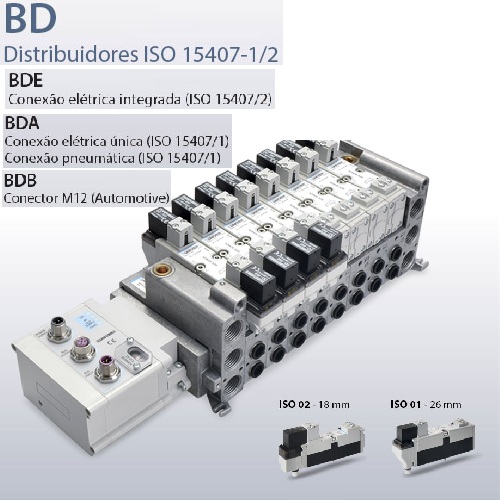
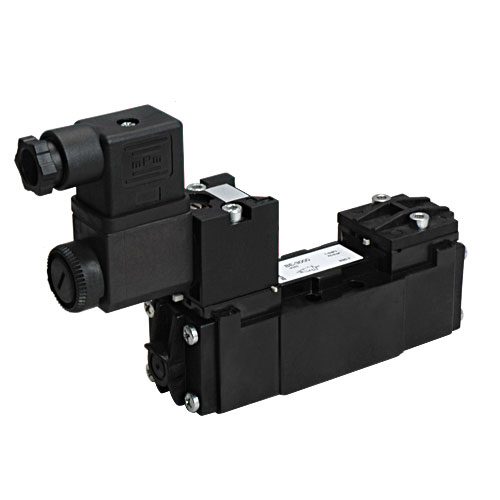
- Valves: Valves control the air flow within the circuit. There are several types of valves, such as direction control valves, which direct air to different actuators, and relief valves, which regulate system pressure.
- Actuators: Actuators are responsible for converting the energy of compressed air into mechanical movement. They can be pneumatic cylinders, which perform linear movements, or pneumatic motors, which generate rotary movement.
- Pipes: Pipes connect all components of the circuit. They are designed to withstand compressed air pressure and must be installed correctly to prevent leaks.
In addition to these main components, other elements such as filters and pressure regulators are also important. Filters remove impurities from compressed air, while regulators ensure air pressure is within desired levels. The combination of these components allows a pneumatic circuit to function efficiently and reliably, meeting the specific needs of each application.
3. Advantages of Pneumatic Circuits
Os pneumatic circuits offer several advantages which make them a popular choice in industrial applications. Below are some of the main advantages:
- High Speed: Pneumatic circuits can operate quickly, allowing agile and efficient movements. This is especially useful on production lines where speed is crucial.
- Ease of Control: Controlling a pneumatic circuit is simple and intuitive. The valves allow operators to quickly adjust airflow and pressure, making it easy to adapt to different production needs.
- Low Maintenance: Pneumatic systems generally require less maintenance compared to hydraulic or electrical systems. This is due to the simplicity of the components and the absence of fluids that could leak.
- Security: Using compressed air as an energy source makes pneumatic circuits safe. In the event of failure, the air dissipates quickly, reducing the risk of accidents compared to systems using pressurized fluids.
- Versatility: Pneumatic circuits can be used in a wide range of applications, from machine automation to tool control. This versatility allows them to be adapted to different industrial sectors.
- Lower Energy Cost: Compressed air can be generated efficiently, resulting in lower operating costs. Additionally, pneumatic systems consume less energy compared to electrical systems in many applications.
These advantages make pneumatic circuits an effective solution for many industries, contributing to process efficiency and productivity.
4. Practical Applications of Pneumatic Circuits
Os pneumatic circuits have a wide range of Practical Applications in various industries. Their versatility and efficiency make them ideal for multiple functions. Below are some of the main applications:
- Industrial Automation: Pneumatic circuits are widely used on assembly lines to move parts and tools. They allow the automation of repetitive processes, increasing productivity and reducing errors.
- Machine Control: Many industrial machines, such as presses and cutters, use pneumatic circuits to operate. Compressed air provides the force needed to perform precision cutting and molding.
- Transport Systems: In factories, pneumatic circuits are used to transport materials from one point to another. Pneumatic conveying systems move grains, powders and other lightweight materials efficiently.
- Painting Equipment: In the painting industry, pneumatic circuits are used in spray guns. The compressed air helps to atomize the paint, providing an even, high-quality application.
- Pneumatic tools: Many hand tools, such as impact drivers and drills, operate with compressed air. These tools are lightweight and provide high power, making work in industrial environments easier.
- Tests and Inspections: Pneumatic circuits are used in testing equipment to verify the integrity of products. They can simulate operating conditions and detect leaks in systems.
These applications demonstrate how pneumatic circuits are essential in various sectors, contributing to the efficiency and effectiveness of industrial processes.