High pressure pumps are essential equipment in various industries, providing efficient fluid transport in challenging conditions. In this article, we will explore the features, applications and benefits of high-pressure pumps, as well as tips for choosing the most suitable model for your operations.
What is a High Pressure Pump? Definition and basic functioning of high pressure pumps, including operating principles and the most common types.
What is a High Pressure Pump? A high pressure pump is a device designed to move fluids through a system, generating pressures in excess of 100 psi (pounds per square inch). These pumps are essential in applications where it is necessary to transport liquids or gases in an efficient and controlled manner.
Basic operation: The operating principle of a high pressure pump is based on the conversion of mechanical energy into hydraulic energy. This is done through a motor that drives a mechanism, such as a piston or diaphragm, that pressurizes the fluid. There are several types of high pressure pumps, including:
- Piston Pumps: They use a piston to create pressure, making them ideal for applications that require high pressure and low flow.
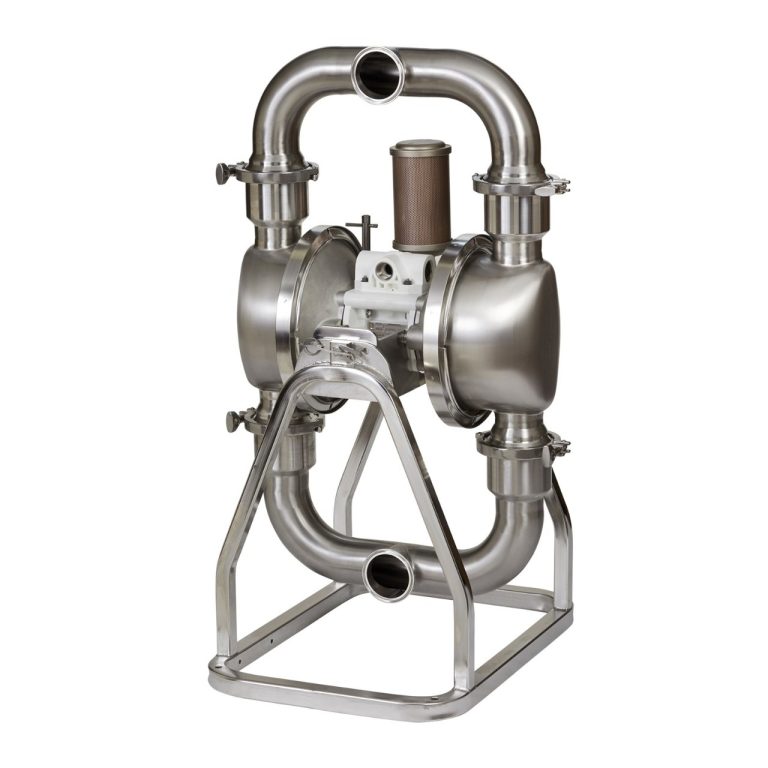
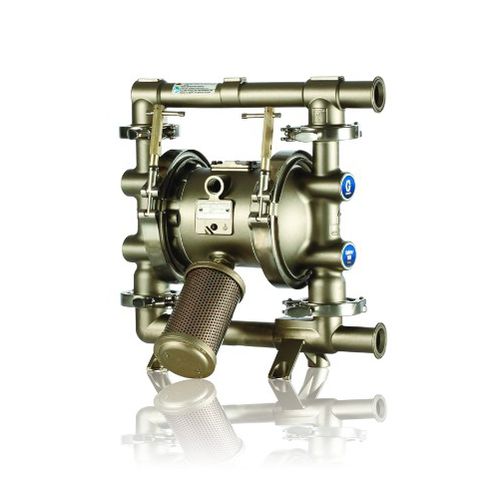
- Diaphragm Pumps: They use a flexible diaphragm that moves back and forth, creating a pumping effect. They are excellent for handling corrosive fluids.
- Centrifugal Pumps: They work through centrifugal force, making them more suitable for applications that require high flow and moderate pressure.
Applications of High Pressure Pumps: These pumps are widely used in various industries. In petrochemistry, are essential for the transport of fuels and chemicals. In civil construction, are used for blasting concrete and cleaning surfaces. In automation, are used in process control systems, where precision and pressure are crucial.
Advantages of High Pressure Pumps: High pressure pumps offer several advantages, such as:
- Energy efficiency: They are designed to operate with low energy consumption, which results in operational cost savings.
- Durability: Built with resistant materials, these pumps have a long useful life, reducing the need for frequent maintenance.
- Viscous Fluid Handling Capacity: They are capable of pumping liquids with high viscosity, which makes them versatile in different applications.
How to Choose the Ideal High Pressure Pump: When selecting a high pressure pump, it is important to consider:
- Flow: Determine the amount of fluid that needs to be moved per unit of time.
- Pressure: Assess the pressure required for the specific application.
- Fluid Compatibility: Check that the pump materials are suitable for the fluids that will be pumped, avoiding corrosion and damage.
Applications of High Pressure Pumps. Exploration of the various industries that use high pressure pumps, such as petrochemicals, civil construction and automation.
Applications of High Pressure Pumps
High pressure pumps are essential in several industries, playing a crucial role in processes that require efficiency and precision. In petrochemical industry, these pumps are used to transport liquids and gases, such as petroleum and chemicals, where high pressure is necessary to ensure proper movement through long distances and complex piping. Furthermore, they are essential in refining processes, where handling fluids at high pressure is common.
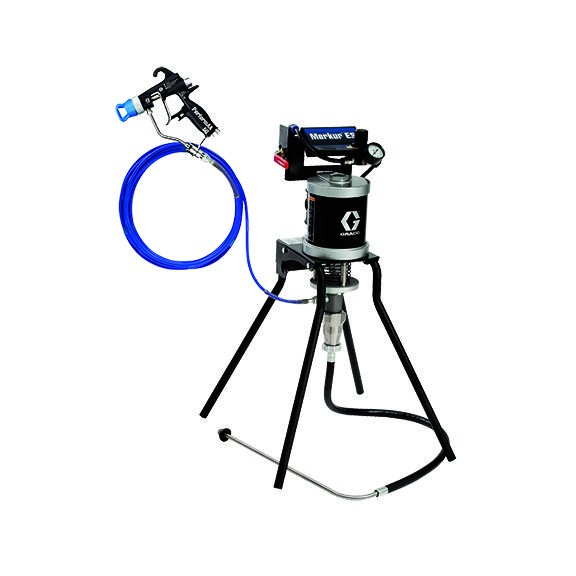
Na civil construction, high pressure pumps are used in various applications, such as concrete blasting and surface cleaning. Concrete blasting, for example, uses these pumps to ensure that the material is applied evenly and with the necessary pressure for good adhesion. Furthermore, when cleaning surfaces, high pressure helps to remove dirt and residue efficiently, saving time and labor.
In the area of automation, high pressure pumps are used in process control systems, where precision is vital. They are integrated into machines and equipment that require the transport of fluids under controlled conditions, ensuring that industrial processes function optimally. The ability to operate under high pressure allows these pumps to meet specific production demands, increasing overall system efficiency.
Additionally, high-pressure pumps are often used in industrial cleaning applications, such as in high-pressure washing systems, where jet force is required to remove dirt and contaminants from equipment and surfaces. This is especially important in sectors that require high standards of cleanliness, such as food and pharmaceuticals.
Advantages of High Pressure Pumps. Analysis of benefits, such as energy efficiency, durability and capacity to handle viscous fluids.
Advantages of High Pressure Pumps
High pressure pumps offer a series of benefits that make them essential in various industrial applications. One of the main advantages is the energy efficiency. These pumps are designed to operate with reduced energy consumption, which results in lower operating costs. This is especially important in industrial environments, where cost reduction can significantly impact profitability.
Another important advantage is the durability. High pressure pumps are built with robust and resistant materials, capable of withstanding adverse conditions and high pressures. This means they have a longer lifespan, reducing the need for frequent maintenance and replacements, which also contributes to long-term savings.
A ability to handle viscous fluids is another feature that makes high pressure pumps stand out. They are designed to pump not only common liquids, but also fluids with high viscosity, such as oils and chemicals. This makes them versatile and suitable for a wide range of applications, from the food industry to petrochemicals.
Furthermore, high-pressure pumps provide a precise control over fluid flow and pressure, allowing operators to adjust settings as needed. This is crucial in processes that require high precision, such as industrial automation. The combination of efficiency, durability and versatility makes high pressure pumps a smart choice for companies looking to optimize their processes and reduce costs.
How to Choose the Ideal High Pressure Pump. Tips and criteria to consider when selecting a high pressure pump, including flow, pressure and fluid compatibility.
How to Choose the Ideal High Pressure Pump
Choosing the correct high pressure pump is crucial to guarantee the efficiency and effectiveness of industrial processes. There are several factors to consider when selecting a pump, and understanding each of them can help prevent future problems.
Flow: Flow rate is the amount of fluid the pump can move in a given period of time. It is important to calculate the flow required for your specific application. If the flow rate is too low, the process may be inefficient. On the other hand, excessive flow can result in wasted energy and increased costs.
Pressure: Pressure is another critical factor. The pump must be capable of generating the necessary pressure for your system. This depends on the type of fluid, the distance it needs to travel and the characteristics of the piping system. It is essential to check the pump specifications to ensure it meets the pressure requirements of your process.
Fluid Compatibility: The compatibility of pump materials with the fluids that will be pumped is essential. Corrosive or abrasive fluids can damage the pump if the materials are not suitable. Always check the manufacturer's specifications to ensure the pump can handle the type of fluid you intend to use.
Pump Type: There are different types of high pressure pumps such as piston, diaphragm and centrifugal pumps. Each type has its own characteristics and applications. For example, piston pumps are ideal for high pressures and low flow rates, while centrifugal pumps are better suited for high flows and moderate pressures. Choosing the right type of pump is essential to the success of your project.
Maintenance: Also consider how easy the pump is to maintain. Pumps that require frequent maintenance can increase operating costs. Opting for models that offer greater durability and less maintenance can be a more economical choice in the long run.