Manometer blocks are essential components in pressure measurement systems, providing an efficient and reliable way to monitor and control pressure in various industrial applications. In this article, we will explore the characteristics, advantages and applications of pressure gauge blocks, highlighting their importance in the automation and maintenance of pneumatic and hydraulic systems.
1. What are pressure gauge blocks?
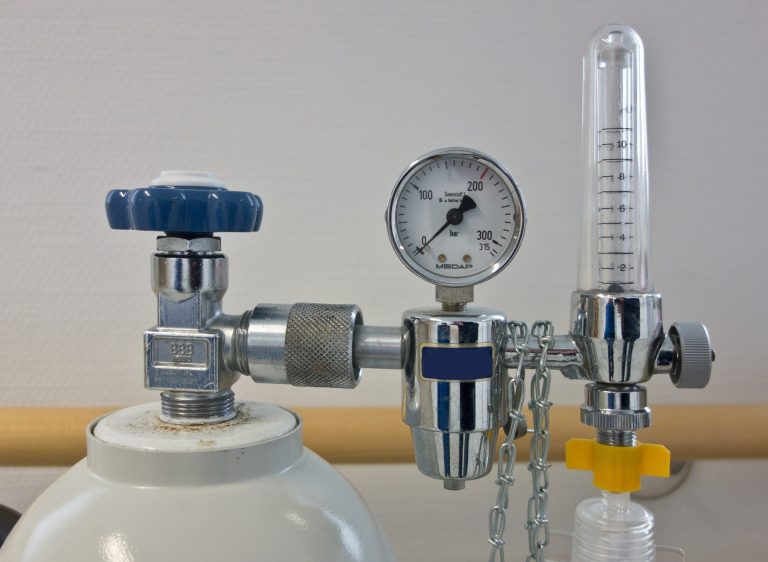
Os pressure gauge blocks are devices used to measure fluid pressure in pneumatic and hydraulic systems. They are composed of multiple pressure gauges connected to a single measuring point, allowing the simultaneous visualization of different pressures in a system. This configuration is especially useful in applications where it is necessary to monitor several pressure lines at the same time.
A pressure gauge block may include various types of pressure gauges, such as analog and digital pressure gauges, depending on the needs of the system. Analog pressure gauges use a pointer that moves on a scale, while digital pressure gauges show the pressure on an electronic display, offering greater precision and ease of reading.
Furthermore, pressure gauge blocks can be equipped with isolation valves, which allow the maintenance of pressure gauges without the need to depressurize the entire system. This increases operational efficiency and reduces downtime during maintenance.
Manometer blocks are designed to withstand severe conditions, such as high pressures and temperatures, ensuring measurement reliability. They are manufactured with resistant materials, such as stainless steel, which provide durability and corrosion resistance.
In summary, pressure gauge blocks are essential components for accurate pressure measurement in industrial systems, offering a practical and efficient solution for process monitoring and control.
2. Advantages of pressure gauge blocks in industrial automation
Os pressure gauge blocks offer several advantages in industrial automation, becoming essential for process monitoring and control. One of the main advantages is the measurement efficiency. With multiple pressure gauges in a single block, it is possible to monitor multiple pressures simultaneously, saving time and space on the control panel.
Another significant advantage is the measurement accuracy. Pressure gauge blocks are designed to provide reliable readings, which is crucial in industrial environments where pressure needs to be tightly controlled. This helps prevent system failures and ensures operational safety.
In addition, the ease of maintenance is a strong point. With integrated isolation valves, technicians can maintain pressure gauges without interrupting system operation. This minimizes downtime and increases productivity.
The pressure gauge blocks also contribute to the security of industrial processes. By allowing constant pressure monitoring, they help to quickly identify any anomaly, preventing accidents and damage to equipment. This is especially important in industries that deal with hazardous fluids or high-pressure systems.
Finally, the versatility of pressure gauge blocks is a notable advantage. They can be used in a wide range of applications, from compressed air systems to chemical processes, easily adapting to the specific needs of each industry.
3. Practical applications of pressure gauge blocks
Os pressure gauge blocks They are widely used in various industries due to their versatility and efficiency. One of the main Practical Applications is in the sector of oil and gas. In these environments, pressure gauge blocks are essential for monitoring pressure at different points in a system, ensuring that operations occur within safe parameters.
No chemical sector, pressure gauge blocks help control pressure in reactors and storage tanks. This is crucial to avoid unwanted reactions that may occur due to pressure variations, ensuring the safety and integrity of the processes.
Another important application is in food industry, where pressure gauge blocks are used in packaging and processing systems. Accurate pressure measurement is essential to guarantee the quality and safety of food products, preventing contamination and ensuring that processes meet regulatory standards.
Furthermore, pressure gauge blocks are used in compressed air systems, common in factories and workshops. They allow air pressure monitoring, essential for the proper functioning of pneumatic tools and equipment, increasing operational efficiency.
Finally, pressure gauge blocks are also applied in Climatization Systems e refrigeration. In these systems, pressure measurement is vital to ensure that the equipment operates efficiently, contributing to energy savings and extending the useful life of the devices.
4. Maintenance and care of pressure gauge blocks
A maintenance adequate of pressure gauge blocks It is essential to ensure its efficient operation and extend its useful life. One of the first steps in maintenance is to perform regular inspections. This includes checking pressure gauges and connections for leaks, visible damage, or corrosion. Any signs of wear must be addressed immediately to avoid system failures.
In addition, it is important calibrate the pressure gauges periodically. Calibration ensures that pressure measurements are accurate and reliable. Calibration frequency may vary depending on usage and environmental conditions, but it is recommended that it be done at least once a year.
Os input filters they should also be checked and cleaned regularly. The presence of dirt or contaminants can affect measurement accuracy and damage the pressure gauges. Cleaning must be done with suitable products, avoiding substances that could cause corrosion.
Another important aspect is the checking isolation valves. These valves allow the maintenance of pressure gauges without depressurizing the entire system. It is essential to ensure that they are working correctly and that they do not leak.
Finally, it is recommended to maintain a Maintenance Record for each block of pressure gauges. This record should include dates of inspection, calibration and any services performed. This helps you monitor performance and plan future maintenance more effectively.