The distribution block is an essential component in pneumatic and hydraulic systems, responsible for directing and controlling the flow of fluids. Its application is crucial in several industries, providing efficiency and safety in fluid handling. In this article, we will explore the characteristics, benefits and applications of the distribution block, highlighting its importance in industrial automation.
What is a Distribution Block? – Definition and function of the distribution block in pneumatic and hydraulic systems.
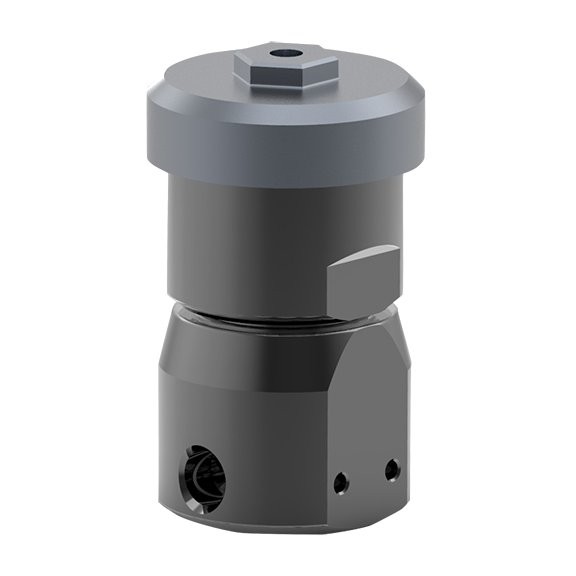
O distribution block It is a fundamental component in pneumatic and hydraulic systems. It serves to direct the flow of fluids efficiently, allowing different parts of a system to receive the required amount of air or liquid. The block is designed to connect multiple piping lines, facilitating pressure and volume distribution.
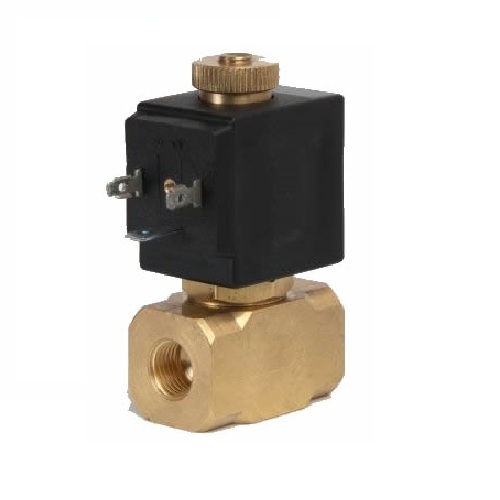
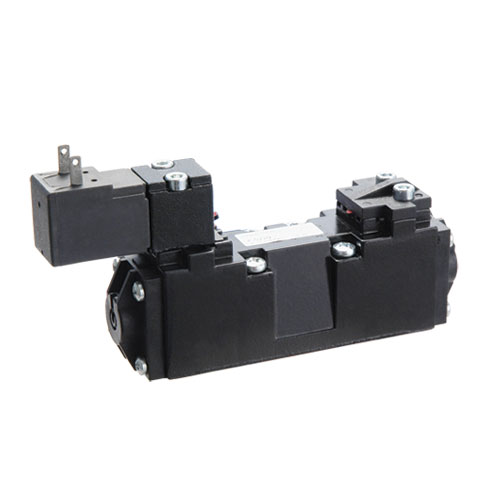
Additionally, the distribution block may include valves that control the opening and closing of the flow, ensuring that the system operates safely and effectively. Its role is crucial to maintaining operational efficiency and safety in industrial processes.
Implement a distribution block in industrial processes brings several advantages. Firstly, it improves the efficiency of the system, as it allows more precise control of the fluid flow. This results in less waste and greater resource savings.
Another advantage is the ease of maintenance. With a distribution block, it is simpler to identify and correct problems in the system, as it centralizes the connections. Furthermore, the use of distribution blocks can increase the security, as they can be equipped with protection devices that prevent leaks and failures.
Os distribution blocks are widely used in various sectors, such as automotive industry, where they are essential for the control of pneumatic systems on assembly lines. They are also common in food factories, where they help distribute compressed air to packaging equipment.
Furthermore, these blocks are used in Climatization Systems, where they control the flow of refrigerants and air. Their versatility allows them to be applied in practically any situation that requires fluid control, making them indispensable in industrial automation.
Choose the distribution block ideal involves considering several factors. Firstly, it is important to assess the pressure and type of fluid that will be used in the system. Each block has specifications that determine its compatibility with different fluids and pressures.
Another criterion to be considered is the number of exits necessary. Blocks with more outputs allow for a more complex distribution, while simpler models may be sufficient for basic applications. Furthermore, the FACILITY OF INSTALLATION AND MAINTENANCE must also be taken into account, ensuring that the chosen block fits well into your system and can be easily maintained.
Advantages of Using Distribution Blocks – Benefits of implementing distribution blocks in industrial processes.
Implement a distribution block in industrial processes brings a series of advantages which can optimize operation and increase efficiency. One of the main advantages is the flow control efficiency. The block allows the flow of fluids to be precisely directed, avoiding waste and ensuring that each part of the system receives the appropriate amount of air or liquid.
Another significant advantage is the ease of maintenance. With a distribution block, it is simpler to identify and resolve problems, as it centralizes connections. This reduces system downtime and improves overall productivity.
Additionally, the use of distribution blocks can increase the security of the system. They can be equipped with safety valves that prevent leaks and failures, protecting both operators and equipment. Implementing a distribution block can also result in cost savings, as improved efficiency and reduced waste contribute to reduced operating expenses.
Finally, the versatility of distribution blocks allows them to be used in a variety of applications, from simple systems to complex configurations, easily adapting to the specific needs of each industry.
Distribution Block Applications – Sectors and situations where the distribution block is widely used.
Os distribution blocks They are versatile and essential components in various industrial sectors. Their main function is to direct and control the flow of fluids, which makes them indispensable in various applications.
One of the sectors that uses these blocks the most is automotive industry. In this area, distribution blocks are used to manage pneumatic systems in assembly lines, ensuring that tools and equipment receive compressed air efficiently.
Another sector that significantly benefits from the use of distribution blocks is the FOOD AND DRINKS. Here, they are used to control the flow of air and liquids in packaging and production processes, where precision is crucial to maintaining the quality of the final product.
In addition, the distribution blocks are widely applied in Climatization Systems. They help regulate the flow of refrigerants and air, ensuring air conditioning systems work effectively and efficiently. This application is vital for maintaining comfortable environments in commercial and residential buildings.
Na pharmaceutical, distribution blocks are used in manufacturing and packaging processes, where precision and safety are fundamental. They ensure that fluids are distributed correctly, minimizing the risk of contamination.
Finally, distribution blocks are also used in power systems, where they control the flow of fluids in turbines and generators, contributing to energy efficiency. The versatility and functionality of distribution blocks make them a popular choice in a wide range of industrial applications.
How to Choose the Ideal Distribution Block – Criteria and considerations for selecting the right distribution block for your needs.
Choose the distribution block ideal is a task that requires attention to several important factors. Firstly, it is essential to consider the operating pressure of the system. Each block has a maximum pressure rating that must be adhered to to ensure the safety and efficiency of the system.
Another aspect to be evaluated is the Type of fluid that will be used. Distribution blocks are designed to work with different fluids, such as compressed air, water or oils. It is essential to choose a block compatible with the specific fluid to avoid corrosion or failure.
In addition, the number of exits of the block must be considered. Depending on the complexity of the system, a block with multiple outputs may be necessary to serve different components. This facilitates the distribution of fluid in an organized and efficient manner.
A FACILITY OF INSTALLATION AND MAINTENANCE is also an important criterion. A block that allows for simple installation and can be easily maintained helps reduce system downtime. Check that the block has connections that facilitate assembly and disassembly.
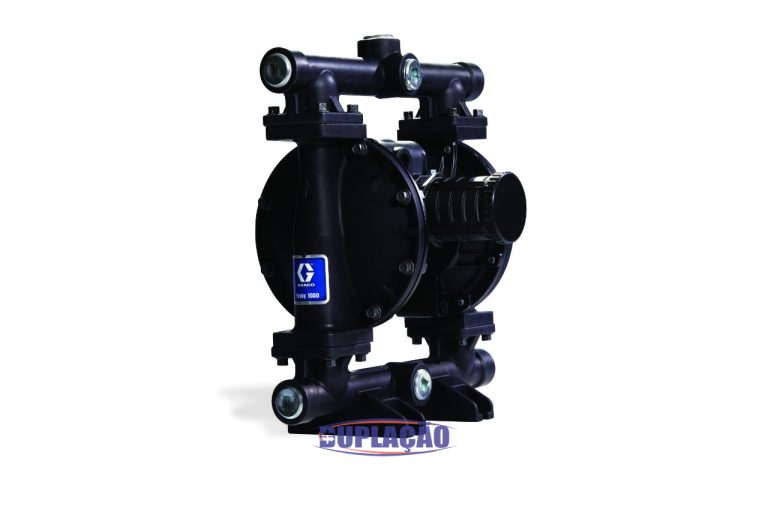
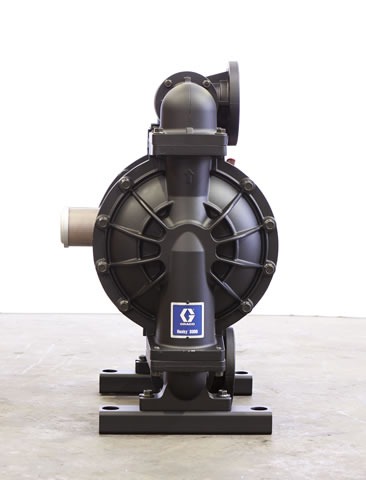
Finally, it is recommended to consider the brand and quality of the distribution block. Choosing recognized brands on the market, such as Graco Inc. and Pneumax, ensures that you are purchasing a reliable and high-performance product. Investing in a quality block can result in greater durability and efficiency in the long term.