Actuators are essential components in automation systems, responsible for converting energy into movement. They play a crucial role in a variety of applications, from controlling valves to moving parts on production lines. In this article, we will explore what an actuator is, its characteristics and how it can benefit your industrial operation.
Definition of Actuator: Understand what an actuator is and how it works within an automation system.
One actuator is a device that converts energy into mechanical movement. It is fundamental in automation systems, as it allows the control of machines and processes. Actuators can receive electrical, pneumatic or hydraulic signals and, in response, perform precise movements, such as opening or closing valves, moving robotic arms or adjusting the position of components on a production line.
Actuators are classified into different types depending on the energy source used. They can be electric, pneumatic or hydraulic. Each type has specific characteristics that make it more suitable for certain applications. Choosing the correct actuator is crucial to ensuring the efficiency and effectiveness of the automated system.
Os actuators can be classified into three main categories:
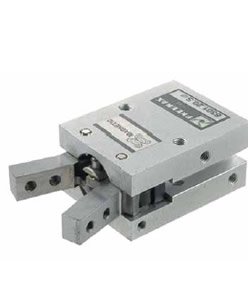
- Pneumatic Actuators: They use compressed air as an energy source. They are known for their speed and ability to generate significant force in a compact space. They are widely used in applications that require fast and repetitive movements, such as factory automation.
- Electric Actuators: They work with electrical power and are ideal for applications that require precision and position control. They are often used in valve control systems and robotics, where precision is critical.
- Hydraulic Actuators: They use pressurized fluids to generate movement. They are capable of producing great forces and are used in heavy-duty applications, such as construction machinery and industrial equipment.
Os actuators play a crucial role in various industrial applications. They are used to:
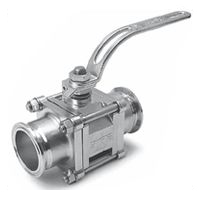
- Valve control: Pneumatic and electric actuators are often used to open and close valves in piping systems, ensuring proper flow of fluids.
- Equipment Movement: In assembly lines, actuators are used to move parts and components in an automated way, increasing efficiency and reducing human error.
- Process Automation: Actuators are essential in automated processes, such as in the food and beverage industry, where they control the dosing of ingredients and the filling of packaging.
Os pneumatic actuators offer several advantages in automated systems:
- Efficiency: They are capable of operating quickly, which is ideal for applications that require short operating cycles.
- Precision: The ability to precisely control movement allows pneumatic actuators to be used in critical applications, such as controlling valves in industrial processes.
- Reliability: Pneumatic actuators are known for their durability and strength, even in harsh environments, making them a reliable choice for industrial automation.
Types of Actuators: Explore the different types of actuators, including pneumatic, electric and hydraulic, and their specific applications.
Os actuators They are essential devices in automation systems, and can be classified into three main types, each with its specific characteristics and applications:
- Pneumatic Actuators: They use compressed air as an energy source. They are known for their ability to generate fast and precise movements. Pneumatic actuators are often used in applications that require high speed and force, such as in factory automation and packaging systems. They are ideal for operations that require short, repetitive cycles, such as opening and closing valves or moving components on assembly lines.
- Electric Actuators: They run on electrical power and are designed to offer precise movement control. These actuators are widely used in applications that require high precision, such as robotics and valve control. They can be found in automation systems that require fine adjustments and exact positioning, such as CNC machines and test equipment.
- Hydraulic Actuators: They use pressurized fluids to generate movement. They are capable of producing large forces and are often used in heavy-duty applications, such as construction machinery and industrial equipment. Hydraulic actuators are ideal for tasks that require significant force, such as moving large loads or operating hydraulic presses.
Each type of actuator has its advantages and disadvantages, and choosing the appropriate actuator depends on the specific needs of the application. It is important to consider factors such as the force required, operating speed and the environment in which the actuator will be used.
Applications of Actuators in Industry: Learn how actuators are used in industrial processes, such as controlling valves and moving equipment.
Os actuators They play a fundamental role in various industrial processes, being essential for automation and system control. Below are some of the main applications:
- Valve control: Pneumatic and electric actuators are widely used to open and close valves in piping systems. This is crucial in chemical and petrochemical industries, where precise control of fluid flow is necessary to ensure process safety and efficiency.
- Equipment Movement: In assembly lines, actuators are used to move parts and components in an automated way. This increases production efficiency and reduces human error. Electric actuators are often employed in industrial robots to perform repetitive tasks with high precision.
- Process Automation: Actuators are essential in automated processes, such as in the food and beverage industry, where they control the dosing of ingredients and the filling of packaging. They ensure that processes are carried out consistently and efficiently, increasing productivity.
- Temperature and Pressure Control: Actuators are also used in temperature and pressure control systems, adjusting valves and control devices to maintain ideal conditions in industrial processes. This is especially important in industries dealing with chemical reactions, where temperature and pressure must be strictly controlled.
These applications demonstrate how actuators are vital for industrial automation, contributing to the efficiency, safety and precision of processes.
Benefits of Pneumatic Actuators: Discover the advantages of pneumatic actuators, such as efficiency, precision and reliability in automated systems.
Os pneumatic actuators offer a number of advantages that make them a popular choice in industrial automation systems. Following are some of the main benefits:
- Efficiency: Pneumatic actuators are known for their ability to operate quickly. They can perform movements in short cycles, which is ideal for applications that require high productivity. This efficiency contributes to reduced downtime and increased production.
- Precision: Accuracy is a fundamental characteristic of pneumatic actuators. They can be adjusted to provide exact movements, which is crucial in applications that require tight control, such as valve positioning and assembly processes.
- Reliability: Pneumatic actuators are robust and designed to withstand harsh conditions. They have a long lifespan and require little maintenance, making them reliable in demanding industrial environments. This reduces the need for maintenance stops and increases system availability.
- Security: Because they operate with compressed air, pneumatic actuators are generally safer compared to electrical or hydraulic systems. They do not present a risk of electric shock and, in the event of failure, tend to fail safely without causing accidents.
- Flexibility: Pneumatic actuators can be easily integrated into different systems and can be adapted for a variety of applications. This flexibility allows them to be used in various industries, from factory automation to process control in chemical industries.
These benefits make pneumatic actuators an effective choice for many industrial applications, contributing to the efficiency and safety of automated processes.