Pneumatic levers are essential components in industrial automation systems, providing an efficient way to control the flow of air and fluids. With their ability to operate in diverse conditions and applications, they stand out for their versatility and reliability. In this article, we will explore the features, benefits and applications of pneumatic levers, as well as how they can improve operational efficiency in your company.
What are Pneumatic Levers? – Definition and functioning of pneumatic levers, including their main components and operating principles.
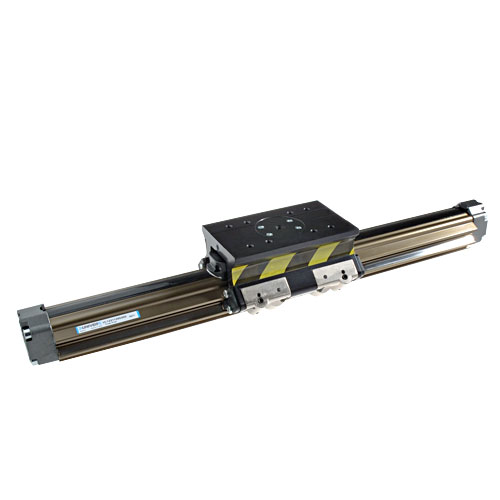
Pneumatic levers are devices used to control the flow of compressed air in pneumatic systems. They function as a drive mechanism, allowing an operator to control the movement of other components, such as valves and actuators. The operating principle of pneumatic levers is based on air pressure, which is used to generate movement and force.
The main ones components of a pneumatic lever include:
- Lever Body: The main structure that houses the other components and provides support.
- Actuator: A device that converts the energy of compressed air into mechanical movement.
- Control Valve: Regulates air passage, allowing the lever to operate efficiently.
- Pneumatic Connections: Tubes and connectors that connect the lever to the compressed air system.
The operation of pneumatic levers is based on the principle that, when pressure is applied to the actuator, it moves, activating the lever. This allows the lever to control other pneumatic devices, such as valves, which can open or close depending on the needs of the system.
Advantages of Pneumatic Levers – Analysis of the main advantages, such as energy efficiency, precise control and ease of maintenance.
As pneumatic levers offer several advantages which make them a popular choice in industrial automation systems. One of the main advantages is the energy efficiency. They use compressed air, which is a clean and renewable energy source, reducing energy consumption compared to electrical systems.
Another significant advantage is the precise control. Pneumatic levers allow fine adjustments in operation, enabling more rigorous control over the movement of components. This is especially important in applications that require high precision, such as assembling parts and handling delicate materials.
A ease of maintenance It is also a strong point of pneumatic levers. They generally have fewer moving components compared to electrical systems, which results in less wear and tear and, consequently, less need for maintenance. Furthermore, maintenance is simplified as many components can be easily accessed and replaced.
Finally, pneumatic levers are highly versatile and can be adapted to a wide range of applications, from process automation to heavy machinery control. This flexibility makes them an ideal solution for various industries.
Applications in Industries – Examples of how pneumatic levers are used in different sectors, such as automation, manufacturing and transportation.
As pneumatic levers They are widely used in various industries due to their versatility and efficiency. One of the sectors that benefits most from these levers is industrial automation. They are used in assembly lines to control the movement of parts and components, ensuring that processes are carried out quickly and accurately.
In the sector of manufacture, pneumatic levers are essential for material handling. They allow the operation of machines that require strength and control, such as presses and cutters. The ability to adjust air pressure provides tighter control over the force applied, resulting in higher quality products.
Furthermore, pneumatic levers are used in transport of heavy loads. In pneumatic conveying systems, they help move materials from one point to another, using compressed air to drive the movement mechanisms. This is especially useful in industries that deal with bulk products such as food and chemicals.
Another example is in the automotive sector, where pneumatic levers are used in assembly and disassembly tools, facilitating vehicle production. The precision and speed that these levers offer are fundamental to meeting market demand.
Maintenance and Support – Tips for properly maintaining pneumatic levers and information on available technical support.
A proper maintenance of pneumatic levers is crucial to ensure their efficient operation and prolong their useful life. Some important tips include:
- Regular inspection: Carry out periodic inspections to check the condition of levers, connections and hoses. This helps identify wear and tear or damage before they become bigger problems.
- Cleaning: Keeping the levers and their components clean is essential. Dirt and dust can affect performance and accuracy. Use suitable cleaning products and avoid aggressive solvents.
- Seal Check: Seals are critical components that prevent air leaks. Regularly check that they are in good condition and replace them if necessary.
- Lubrication: Apply appropriate lubricants to moving parts, according to the manufacturer's recommendations. This reduces friction and wear, improving efficiency.
Furthermore, it is important to have a technical support reliable. Dupulação offers specialized technical assistance to solve problems and carry out maintenance. For support, contact our team via email vendas@duplacao.com.br or by phone (48) 3438-8484. Our team is ready to help with any questions or needs related to pneumatic levers.