Pressure adjustment is a critical aspect in pneumatic and hydraulic systems, ensuring that equipment operates within ideal specifications. This process not only improves efficiency but also extends the life of components. In this article, we'll explore best practices for pressure tuning, the equipment you need, and the benefits of proper maintenance.
What is Pressure Adjustment? – Definition and importance of pressure adjustment in industrial systems.
What is Pressure Adjustment? Pressure adjustment is an essential process in industrial systems, especially in pneumatic and hydraulic applications. It refers to the modification and control of a system's operating pressure, ensuring that equipment operates within ideal parameters.
Importance of pressure adjustment: Improper adjustment can lead to equipment failure, increased energy consumption and even safety risks. Therefore, it is crucial that companies carry out pressure adjustment regularly and accurately.
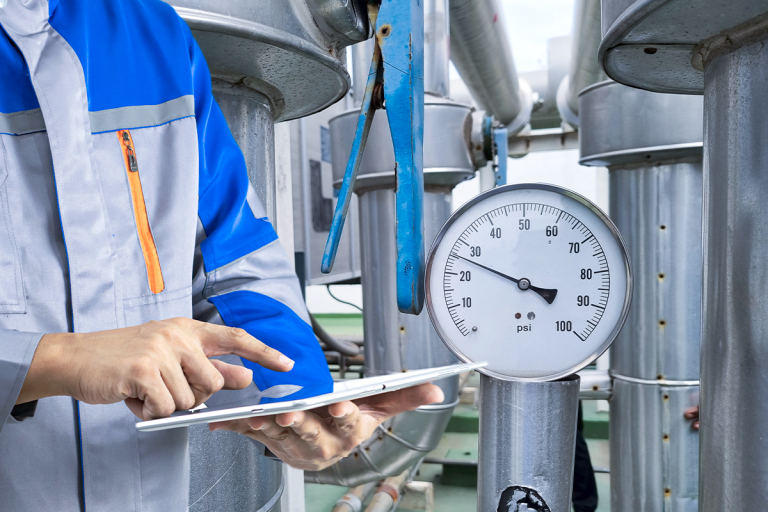
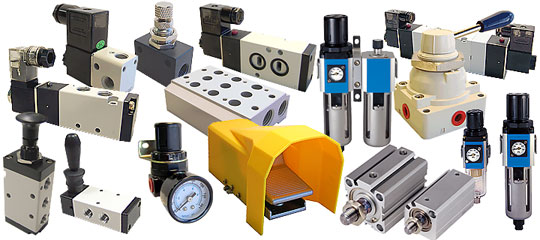
Pressure Adjustment Equipment: The main equipment used for pressure adjustment includes regulators and pressure gauges. Regulators are devices that maintain constant outlet pressure, regardless of variations in inlet pressure. Pressure gauges are instruments that measure pressure in a system, allowing operators to monitor and adjust as needed.
Benefits of Proper Pressure Adjustment: Correct pressure adjustment can increase system efficiency, reducing energy waste and extending component life. This results in significant savings in operating costs.
Best Practices for Maintenance: To ensure effective and safe pressure adjustment, it is recommended to carry out regular inspections of equipment, calibrate pressure gauges periodically and train staff to identify and correct pressure problems. Furthermore, it is important to follow the manufacturer's specifications for each piece of equipment.
Pressure Adjustment Equipment – Description of the main equipment used, such as regulators and pressure gauges.
Pressure Adjustment Equipment They are essential to ensure the proper functioning of pneumatic and hydraulic systems.
Among the main equipment used, the following stand out: pressure regulators and the gauge.
Pressure Regulators are devices that control the outlet pressure of a system, automatically adjusting it to maintain desired levels, regardless of fluctuations in inlet pressure. This is crucial to prevent damage to equipment and ensure operational efficiency.
Already the gauge are measuring instruments that indicate the pressure in a system. They allow operators to monitor pressure in real time and make adjustments as needed.
In addition, there are relief valves, which act as safety devices, releasing excessive pressure to prevent catastrophic failures.
The appropriate choice and maintenance of this equipment is essential for the performance and safety of industrial systems.
Benefits of Proper Pressure Adjustment – How correct adjustment can increase efficiency and reduce operating costs.
Benefits of Proper Pressure Adjustment: Correct pressure adjustment in pneumatic and hydraulic systems brings several significant benefits.
Firstly, increases efficiency of the system, as it maintains pressure at ideal levels, avoiding energy waste and improving overall performance.
When pressure is adjusted correctly, equipment operates more smoothly and efficiently, resulting in fewer stops and interruptions.
Furthermore, a proper fit reduces operating costs. This is because systems that work efficiently consume less energy and have less wear, which reduces the need for maintenance and replacement of parts.
Another important benefit is the security. Systems with inadequate pressure can present risks, such as leaks or catastrophic failures.
Therefore, ensuring that the pressure is always within recommended parameters not only improves efficiency, but also protects employees and the work environment.
In summary, proper pressure adjustment is essential to maximize the performance and safety of industrial systems.
Best Practices for Maintenance – Tips and recommendations to ensure effective and safe pressure adjustment.
Best Practices for Maintenance: To ensure effective and safe pressure adjustment, it is essential to follow some best practices.
Firstly, Perform regular inspections in equipment is essential. This includes checking that regulators and pressure gauges are working properly and that there are no leaks.
In addition, it is important calibrate the pressure gauges periodically, as accuracy in pressure measurement is crucial to system performance.
Another best practice is Train the team that operates the systems. Operators must understand how to adjust pressure correctly and how to identify signs of problems, such as unexpected fluctuations in pressure.
It is also advisable document all maintenance carried out, creating a history that can help identify patterns and predict future maintenance needs.
Finally, always follow the manufacturer specifications for each piece of equipment, ensuring that all maintenance and adjustments are in accordance with technical recommendations.