Pneumatic drive is a technology widely used in industrial automation, providing efficient solutions for controlling movements and processes. Using compressed air, this system allows the operation of machines and equipment precisely and reliably. In this article, we will explore the main aspects of pneumatic drive, its advantages and practical applications in the industrial sector.
1. What is Pneumatic Drive?
O pneumatic drive is a system that uses compressed air to generate movement and perform mechanical work. This type of drive is widely used in various industrial applications due to its efficiency and reliability.
The basic operation of the pneumatic drive involves converting the energy of compressed air into linear or rotary movement.
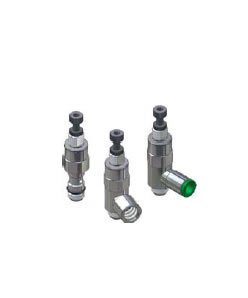
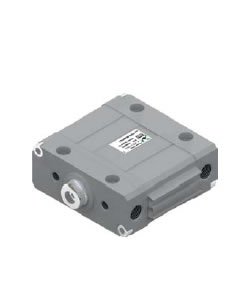
The main components of a pneumatic system include compressors, pneumatic cylinders, Valves e actuators. The compressor is responsible for generating compressed air, which is stored in a reservoir. When the air is released, it passes through the valves that control the flow and direction of the air, activating the cylinders that, in turn, carry out the desired movement.
One of the most important features of pneumatic actuation is its ability to offer high speed e precision in operations. Furthermore, pneumatic systems are generally lighter and more compact compared to hydraulic systems, which makes them easier to install and maintain.
In summary, pneumatic drive is an effective solution for automating industrial processes, providing agility and precision in operations.
2. Advantages of Pneumatic Drive
O pneumatic drive offers several advantages which make it a popular choice in industrial applications. One of the main advantages is the energy efficiency. Pneumatic systems consume less energy compared to electrical and hydraulic systems, especially in operations that require rapid, repetitive movements.
Another significant advantage is the reduced maintenance. Pneumatic components have fewer moving parts, which results in less wear and, consequently, less need for maintenance. This translates into fewer unscheduled stops and greater equipment availability.
A versatility The pneumatic drive is also a strong point. It can be used in a wide range of applications, from automating assembly lines to controlling valves in chemical processes. This flexibility allows industries to adapt pneumatic systems to different operational needs.
Furthermore, the pneumatic drive is known for its high operating speed. Pneumatic cylinders can achieve rapid movements, which is essential in processes that require high productivity. This speed, combined with precision in movement control, makes the pneumatic drive ideal for applications that demand agility.
Finally, the security is an important advantage. Pneumatic systems operate with compressed air, which is a non-flammable and non-toxic medium, reducing the risks associated with the use of hydraulic or electrical fluids. This makes pneumatic drive a safe option for industrial environments.
3. Applications of Pneumatic Drive in Industry
O pneumatic drive It is widely used in various industries due to its efficiency and versatility. One of the most common applications is in assembly line automation. Pneumatic cylinders are used to move parts and components quickly and precisely, increasing productivity and reducing cycle time.
Another important application is in valve control in chemical and petrochemical processes. The pneumatic drive allows rapid opening and closing of the valves, ensuring precise control of the fluid flow. This is essential to maintain safety and efficiency in critical industrial processes.
Furthermore, the pneumatic drive is used in packaging machines. It provides fast and repetitive movements, such as moving packages and applying seals. This application is vital for maintaining efficiency in food, pharmaceutical and consumer goods production lines.
Pneumatic systems are also used in material handling equipment, such as forklifts and conveyors. The use of compressed air to drive this equipment allows for lighter and more agile operation, facilitating the transport of heavy loads in industrial environments.
Finally, the pneumatic drive is used in painting systems, where the atomization of paints and coatings is carried out efficiently. Precise control of airflow and pressure ensures a uniform, high-quality application, essential for industrial finishes.
4. Comparison with Other Drive Systems
When it comes to drive, there are different systems available, such as electric drive and the hydraulic drive. Each of these systems has distinct characteristics that make them more suitable for certain applications.
O electric drive It is known for its precision and control. It uses electric motors to generate movement, which allows fine adjustment in speed and position. However, this type of drive may be less efficient in environments with high temperatures or in applications that require fast and repetitive movements, where pneumatic drive stands out.
On the other hand, the hydraulic drive It is ideal for applications that require high strength and power. It uses pressurized fluids to generate movement, being very effective in heavy machinery. However, hydraulic systems are more complex and require regular maintenance to prevent leaks and ensure operational safety.
In comparison, the pneumatic drive offers a combination of efficiency e simplicity. It is lighter and more compact, making installation and maintenance easier. Furthermore, using compressed air as a means of operation reduces the risk of fire and explosion, making it a safer option in industrial environments.
Another point to consider is the cost. Pneumatic systems tend to be more economical in terms of installation and operation, especially in applications that require rapid, repetitive movements. This makes pneumatic drive a popular choice in many industries.