Valve opening is a crucial process in fluid automation and control systems. This article explores the different types of valves, how they work and their applications in various industries, highlighting the importance of this component in operational efficiency.
1. What is valve opening?
A valve opening It refers to the process by which a valve is triggered to allow fluids, such as liquids or gases, in a system. This process is fundamental for the control of flow and pressure within pipes and industrial equipment.
Opening can be performed manually or automatically, depending on the valve type and application.
Valves are mechanical devices that regulate fluid flow in pneumatic and hydraulic systems. When a valve is opened, it creates a way for the fluid to move while the valve closing interrupts this flow. Valve opening is therefore a critical element in the operation of machinery and industrial processes.
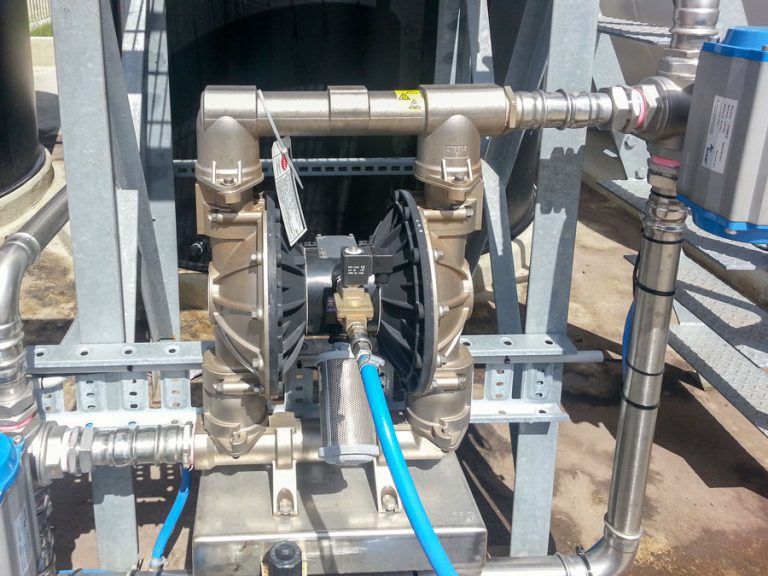
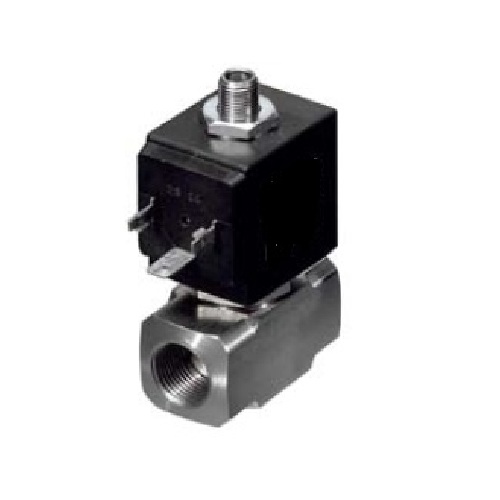
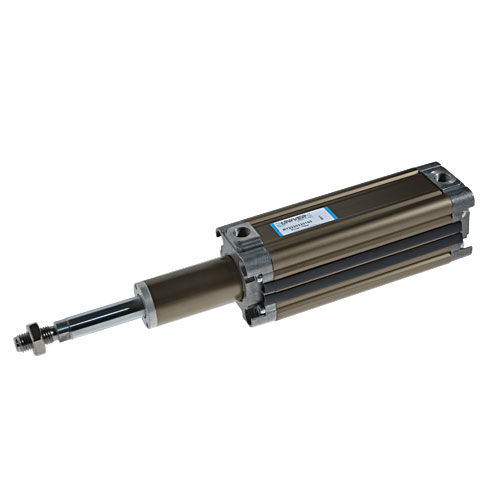
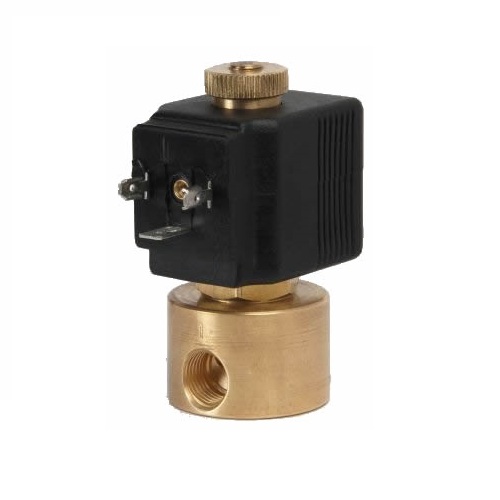
There are several mechanisms that can be used to open valves such as pneumatic, electrical or hydraulic actuators. Each type of actuator has its specific characteristics and applications, allowing valves to be efficiently and accurately triggered.
In addition, valve opening is essential in safety systems, where rapid pressure release or flow interruption can prevent accidents and equipment damage. Therefore, understanding the functioning and importance of valve opening is crucial for professionals working in industrial engineering, maintenance and automation.
2. Types of valves and their mechanisms
There are several Valve typeseach designed to meet specific needs in fluid control systems. Among the most common types, stand out:
- Sphere valve: This type of valve has a spherical body with a hole that allows fluid to pass through. Opening and closing are made by turning the sphere. It is ideal for applications that require fast and efficient closure.
- Drawer valve: It uses a blade that moves up and down to open or close the flow. It is widely used in systems where a continuous flow and without obstructions are required.
- Control Valve: Designed to regulate flow and fluid pressure. Uses actuators that may be pneumatic or electrical, allowing accurate adjustments to operating conditions.
- Butterfly valve: It has a disc that revolves around an axis. It is light and compact, ideal for applications that require flow control in reduced spaces.
Each valve type has an operation mechanism that can be manual or automatic. Manual valves are driven by levers or steering wheels, while automatic use actors that may be electric, pneumatic or hydraulic. Automatic actuators allow a quick and precise response, essential in industrial processes where efficiency and safety are priorities.
In addition, the choice of valve type and drive mechanism should consider factors such as fluid type, operating pressure and environmental conditions. This ensures that the valve works effectively and safely throughout its useful life.
3. Practical applications of valve opening
A valve opening It plays a crucial role in several industries, allowing efficient fluid control in different processes. Following, some practical applications:
- Chemical Industry: In chemical production, valves are used to control reagent input and output. The accurate opening of the valves ensures that the reactions occur in the desired conditions, avoiding waste and increasing safety.
- Food sector: In food and beverage factories, valves regulate the flow of ingredients and end products. Valve opening is essential to maintain quality and hygiene, allowing efficient cleaning of piping systems.
- Industrial Automation: In automated systems, valves are triggered by controllers that regulate air flow or liquids. This is fundamental in assembly processes, where accuracy and speed are necessary to increase productivity.
- Water treatment: Valves are used to control water flow in treatment stations. Valve opening and closing helps to regulate the amount of treated water that is distributed, ensuring that quality standards are served.
In addition to these applications, valve opening is vital in heating, ventilation and air conditioning (HVAC) systems, where air and soda flow control is necessary to maintain energy efficiency and environmental comfort.
In short, valve opening is an essential function in many sectors, contributing to operational efficiency and the safety of industrial processes.
4. Valve maintenance and care
A Valve maintenance and care They are essential to ensure the efficient and safe functioning of pneumatic and hydraulic systems. Next, some recommended practices:
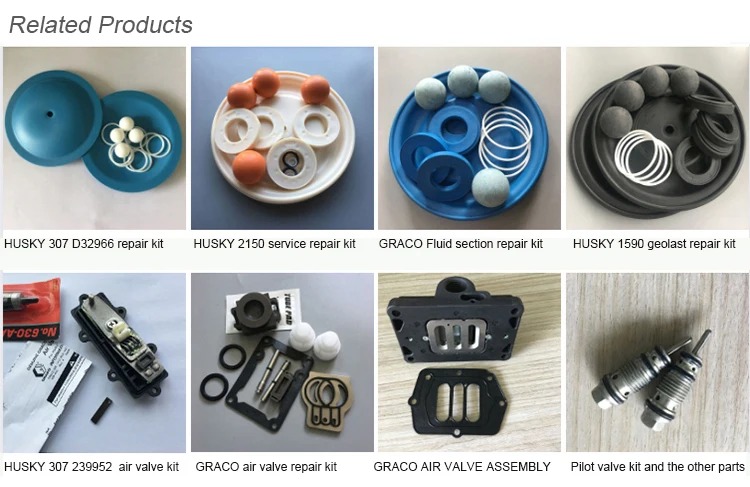
- Regular inspection: Performing periodic valve inspections helps identify wear, leaks or failures. It is important to check the state of stamps and together as they are critical components that can affect valve performance.
- Cleaning: Dirt and contaminants may obstruct the valves, impairing their operation. Cleaning should be done according to the manufacturer's specifications, using appropriate products that do not damage valve materials.
- Lubrication: Some valves require lubrication to ensure soft functioning. The lubricant's choice should be based on manufacturer's recommendations and operating conditions.
- Operating Test: After maintenance, it is essential to perform tests to ensure that the valve is operating correctly. This includes checking and closing and monitoring the pressure and flow of fluid.
In addition to these practices, it is important to follow the manufacturer's recommendations regarding preventive and corrective maintenance. Technical documentation must be consulted to ensure that all procedures are performed properly.
Finally, training the valve maintenance team is crucial. Knowledge about valve types and their specificities helps to avoid errors that can lead to operational failures and increase maintenance costs.