Easy tips for resolution of problem pneumatic diaphragm pumps -Part 2: suction defects
Although they are very practical and efficient tools, problems happen, and pneumatic diaphragm pumps may have some operation problem. In the previous article we deal with leaks, with various resolution tips and possible causes. To help you even more, we have prepared part 2, addressing suction defects of pneumatic diaphragm pumps.
Knowing the components well, it is very easy to solve most of the problems that occur and reestablish the operation of the machine. bomba in a short time. If your Pump is presenting problems, check out this material and find out how to solve!
Suction defects in diaphragm pneumatic pumps
First of all, it is essential that the chosen pump is suitable for the application you want. This way, before purchasing a diaphragm pneumatic pump, make sure it is the ideal equipment for the function, considering the size, and especially the maximum operational pressure.
To avoid suction problems, check the following aspects of your pump:
- Line size;
- Head pressure;
- Fluid level.
Main suction problems and their respective solutions
- Sucking line: This type of problem can be caused by accumulated debris and particles. To solve this problem, you can periodically check the pump suction side and remove possible accumulated particles.
- Flooded suction: When the pump is under excessive pressure, the retention valves are open, causing spheres. This way they lose quality and cannot fit properly. This problem can be solved ensuring that the pump operates at the ideal level (above the pump).
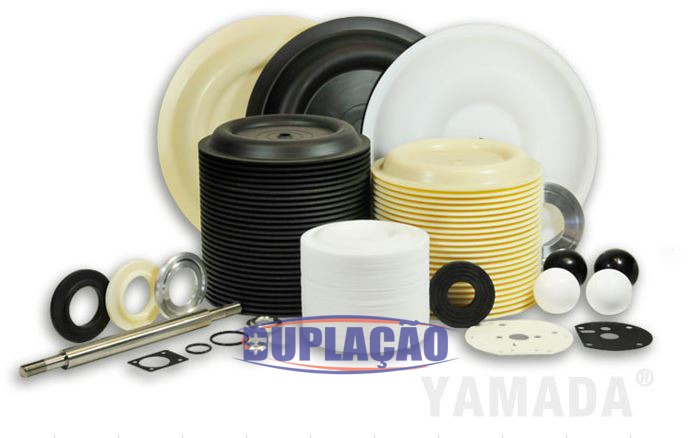
- Stretched or dilated diaphragm: This defect can be caused by air or fluid imbalance, very high NPSH, and similar issues, generating premature damage to the diaphragm structure. To solve, you can allocate the pump at the same level as the tank being drained, or use a counterproof device.
In addition, it is very important to ensure that the valves are correctly installed, the correct materials are used, and the specifications provided by the manufacturer are followed correctly. Consult Material compatibility list It is also paramount, and should be done even before purchasing a pneumatic diaphragm pump.

Always count on the duplation, your reliable supplier for pneumatic pumps. Contact us at (48) 3438-8484 or email vendas@duplacao.com.br And talk to our experts.