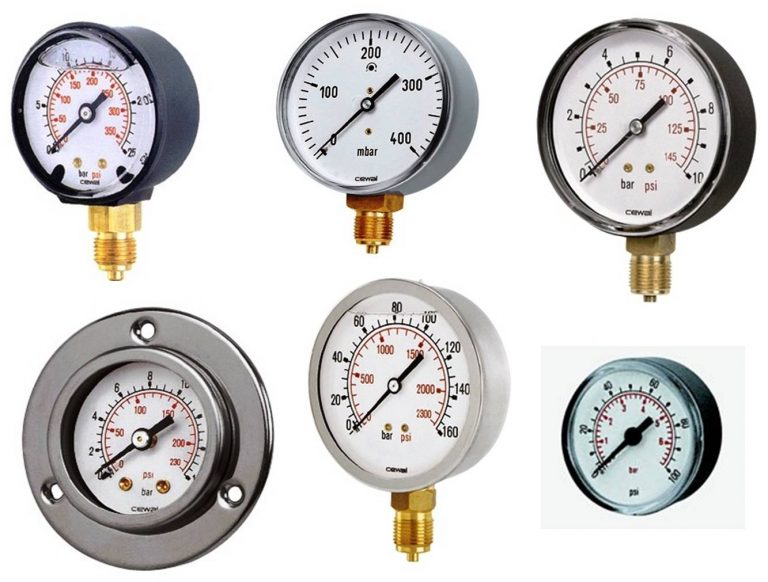
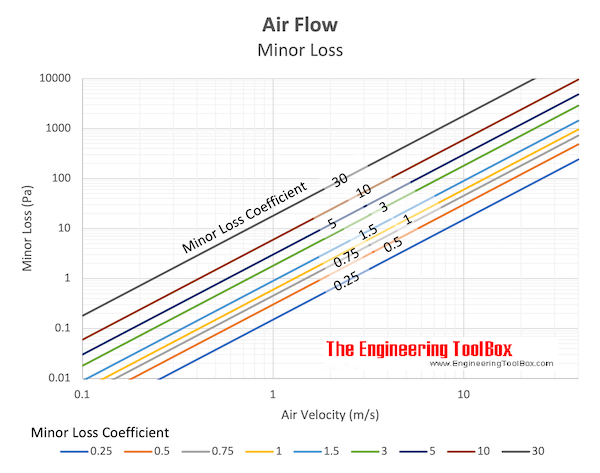
Choosing the right pressure gauge is essential to ensure accurate and safe measurements in various applications. Consider factors such as fluid type, pressure range and work environment to avoid common mistakes and optimize process efficiency.
Choosing the **right pressure gauge for the application** is crucial to obtaining accurate and reliable measurements in a variety of industries. In this post, we will reveal how this choice directly impacts the efficiency and safety of industrial processes. We will cover the types of pressure gauges available, the essential factors in selecting the ideal model and the common mistakes that can be avoided when making this choice.
Importance of choosing the right pressure gauge
The choice of right pressure gauge It is essential to ensure accurate and reliable measurements in various industrial applications. An inadequate pressure gauge can lead to reading errors, compromising the safety and efficiency of processes. Therefore, understanding the importance of this choice is the first step to optimizing operations.
Accuracy in Measurements
A correct pressure gauge ensures that pressure measurements are accurate, which is crucial in industries such as food and beverage, pharmaceutical and chemical. Accuracy in measurements helps to avoid equipment failures and guarantee the quality of the final product.
Operational security
Choosing the appropriate pressure gauge is also a safety issue. Pressure gauges that cannot withstand operating pressures can fail, resulting in accidents. Therefore, it is vital to select a model that meets the specifications of the system in which it will be used.
Process Efficiency
With an appropriate pressure gauge, operations become more efficient. Correct pressure reading allows adjustments in real time, avoiding waste and improving productivity. This is especially important in continuous processes where pressure must be constantly monitored.
Cost reduction
Investing in a quality pressure gauge may seem like a high initial cost, but in the long run, it can result in savings. With accurate and reliable measurements, it is possible to avoid unscheduled downtime and reduce maintenance and repair costs.
Types of pressure gauges and their applications
There are several types of pressure gauges, each designed to meet specific needs in different industrial applications. Choosing the correct type is essential to ensure accurate and reliable measurements.
Bourdon Tube Pressure Gauges
Bourdon tube pressure gauges are widely used due to their simplicity and effectiveness. They work with a curved tube that unfolds when internal pressure increases. These pressure gauges are ideal for measuring pressures in water, gas and steam systems.
Digital Pressure Gauges
Digital pressure gauges provide accurate readings and are easy to read. They are often used in applications that require continuous monitoring, such as in laboratories and industrial processes. Additionally, many digital models come with additional features such as alarms and data logging.
Diaphragm Pressure Gauges
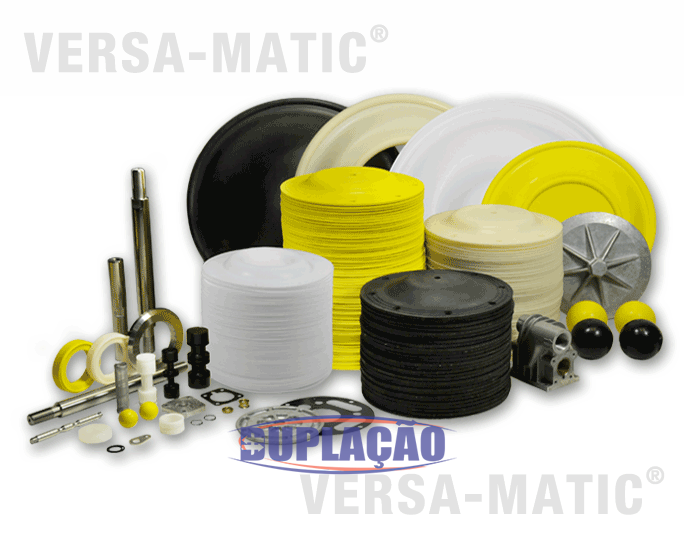
Diaphragm pressure gauges are designed for applications involving corrosive or viscous fluids. They use a flexible diaphragm that deforms with pressure, providing accurate readings. These pressure gauges are commonly used in the chemical and petrochemical industry.
Absolute Pressure Gauges
Absolute pressure gauges measure pressure relative to total vacuum. They are essential in applications where atmospheric pressure can affect measurements, such as in vacuum processes and research laboratories. These pressure gauges guarantee accurate measurements regardless of atmospheric conditions.
Factors to consider when choosing
When choosing a gauge, it is important to consider several factors that can impact the accuracy and efficiency of measurements. These factors help ensure that the pressure gauge selected meets the specific needs of the application.
Type of fluid
The type of fluid that will be measured is one of the main factors to consider. Different pressure gauges are designed to work with liquids, gases or vapors. It is essential to choose a pressure gauge that is compatible with the fluid in question to avoid corrosion or failure.
Pressure Range
The pressure range that the pressure gauge should measure is also crucial. It is important to select a model that covers the pressure range expected in the application, ensuring that readings are accurate and within operational limits.
Work Environment
The environment in which the pressure gauge will be used must be considered. Factors such as temperature, humidity and the presence of corrosive substances can affect the pressure gauge's performance. Choosing a model suitable for environmental conditions is essential for durability and precision.
Accuracy and Resolution
The accuracy and resolution of the pressure gauge are important characteristics to be evaluated. Pressure gauges with greater precision offer more reliable readings, while resolution determines the smallest variation that can be detected. It is essential to choose a pressure gauge that meets the accuracy requirements of the application.
Common mistakes when choosing a pressure gauge
Choose a gauge It can be challenging, and some common errors can compromise the effectiveness of measurements. Identifying and avoiding these errors is essential to ensure accuracy and safety in operations.
Not Considering the Type of Fluid
A common mistake is not taking into account the type of fluid that will be measured. Inadequate pressure gauges for liquids, gases or vapors may fail or give inaccurate readings. It is crucial to choose a pressure gauge designed specifically for the fluid in question.
Ignore the Pressure Range
Another common mistake is not checking whether the chosen pressure gauge covers the required pressure range. Using a pressure gauge outside of its operating range may result in erroneous readings and even equipment damage. Always check the pressure gauge specifications before purchasing.
Disregard the Work Environment
The environment where the pressure gauge will be used must also be considered. Ignoring factors such as temperature, humidity and the presence of corrosive substances can lead to equipment failure. Choosing a pressure gauge suitable for the environmental conditions is essential.
Lack of Regular Maintenance
Finally, many users make the mistake of not carrying out regular maintenance on the pressure gauge. Failure to calibrate and periodically check can result in inaccurate measurements over time. It is important to establish a maintenance schedule to ensure the reliability of the pressure gauge.
Choosing the Right Pressure Gauge for Your Application
Choosing the right pressure gauge is essential to ensure accurate and safe measurements in various applications. By considering factors such as fluid type, pressure range, and work environment, you can avoid common mistakes that can compromise equipment effectiveness.
Furthermore, regular maintenance of the pressure gauge is essential to ensure its reliability over time. With the correct information and careful choices, you can optimize your processes and ensure quality and safety in operations.
Therefore, do not underestimate the importance of selecting the right pressure gauge for your specific needs.
FAQ – Frequently asked questions about choosing pressure gauges
How important is it to choose the right pressure gauge?
Choosing the right pressure gauge is crucial to ensure accurate and safe measurements, avoiding errors that can compromise process efficiency.
What types of pressure gauges are there?
There are several types of pressure gauges, including Bourdon tube, digital, diaphragm, and absolute pressure pressure gauges, each suitable for different applications.
How can I avoid mistakes when choosing a pressure gauge?
To avoid errors, consider the type of fluid, pressure range, work environment and the need for regular pressure gauge maintenance.
What is the ideal pressure range for my pressure gauge?
The ideal pressure range depends on your system specifications. It is important to choose a pressure gauge that covers the pressure range expected in your application.
How does maintenance affect pressure gauge accuracy?
Regular maintenance, including calibration and checking, is essential to ensure the pressure gauge continues to provide accurate readings over time.
Where can I find quality pressure gauges?
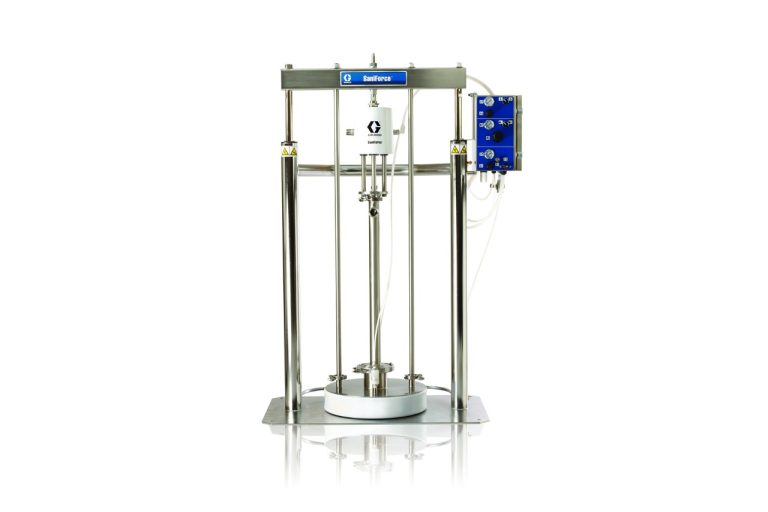
Quality pressure gauges can be found at suppliers specializing in industrial equipment, such as Dupulação, which offers reliable products from the Graco Inc. and Pneumax brands.