The butterfly valve is an efficient and versatile solution for fluid control in various industries, offering advantages such as space saving, reduced operating costs and easy maintenance. Ideal for applications in water systems, heating and chemical processes, your choice must consider factors such as material and operating conditions.
The **butterfly valve combines versatility** and efficiency, making it a popular choice in the industry. This type of valve is known for its ability to control the flow of fluids effectively and quickly. This article will explore how this valve works, its advantages and practical applications in the industrial world.
What is the butterfly valve?
A butterfly valve is a device used to control the flow of fluids in pipes. Its structure is made up of a disc that rotates around an axis, allowing the flow to open and close. This type of valve is widely used in various industries due to its simplicity and efficiency.
One of the main features of the butterfly valve is its ability to operate at low pressure, which makes it ideal for applications in water, gas and steam systems. Furthermore, the butterfly valve is lightweight and takes up less space compared to other types of valves such as ball valves.
Butterfly Valve Operation
The operation of the butterfly valve is quite simple. When the disc is rotated through a 90 degree angle, the flow is released. To close the valve, the disc is rotated back to the original position. This fast and efficient operation allows for precise flow control, making it a popular choice in systems that require fast response.
Types of Butterfly Valves
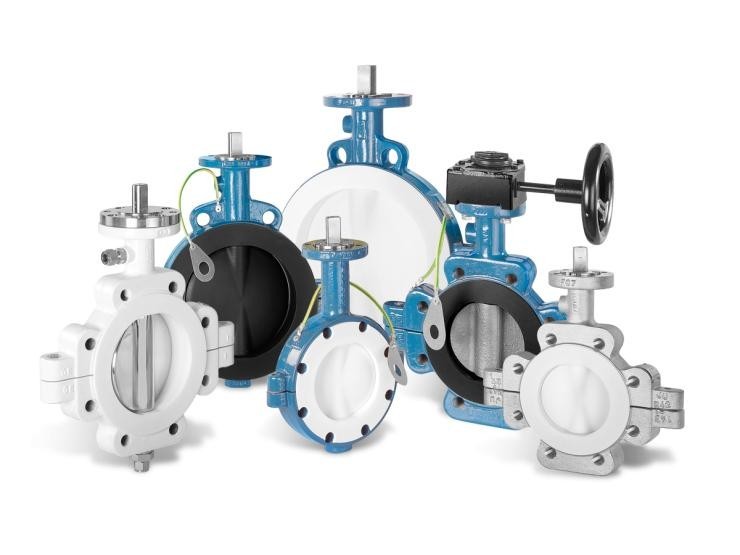
There are different types of butterfly valves, including flange, wafer and lug valves. Each type has specific characteristics that make them more suitable for certain applications. For example, flange valves are often used in high pressure systems, while wafer valves are ideal for installation in confined spaces.
Furthermore, butterfly valves can be manufactured in different materials, such as stainless steel, PVC and aluminum, which allows them to be used in different environments and operating conditions.
Advantages of the butterfly valve in industry
A butterfly valve offers several advantages in the industry, making it a preferred choice for fluid control. One of the main advantages is its efficiency in flow control. Due to its design, the butterfly valve can be opened or closed quickly, allowing an agile response in systems that require precise control.
Another significant advantage is the space saving. Butterfly valves are more compact than other types of valves, such as ball valves, making them ideal for installations in locations with limited space. This feature is especially important in industrial plants where space optimization is crucial.
Reduction of Operating Costs
Butterfly valves also contribute to the reduction of operating costs. Its simple, lightweight construction requires less material, which can result in a lower initial cost. Additionally, maintaining these valves is generally less complex, which reduces maintenance costs over time.
Versatility in applications
These valves are extremely versatile and can be used in a wide range of applications, from water and wastewater systems to chemical and petrochemical processes. Their ability to operate in different temperature and pressure conditions makes them suitable for a variety of industrial environments.
Furthermore, butterfly valves can be manufactured in different materials, such as stainless steel and PVC, allowing them to be used in corrosive environments or with aggressive fluids.
How to choose the ideal butterfly valve
Choose the ideal butterfly valve for its industrial application is essential to guarantee efficiency and safety. There are several factors to consider during the selection process. One of the first aspects to evaluate is the Type of fluid that will be controlled. Different fluids, such as water, oil or chemicals, may require specific materials and designs to ensure durability and corrosion resistance.
Another important factor is the pressure and temperature of operation. It is essential that the chosen valve supports the specific system conditions, avoiding failures and ensuring adequate performance. Check the manufacturer's specifications to ensure the valve meets these requirements.
Dimensions and Connections
As dimensions of the valve are also crucial. The valve must be compatible with the diameter of the existing piping. Additionally, consider the type of connection, which can be flanged, wafer or lug, depending on the installation and available space.
Valve Material
O material of the butterfly valve must be chosen based on the characteristics of the fluid and the operating conditions. Common materials include stainless steel, which offers corrosion resistance, and PVC, which is lightweight and economical. The choice of material directly impacts the useful life of the valve and the required maintenance.
Finally, it is recommended that you consult a specialist or engineer to ensure that the selected valve meets all of your system needs. This approach helps prevent future problems and ensures efficient operation.
Practical applications of butterfly valve
A butterfly valve It is widely used in various industrial applications due to its efficiency and versatility. One of the main applications is in water flow control in water supply and treatment systems. Its ability to open and close quickly allows for effective flow management, essential for maintaining water quality.
Furthermore, butterfly valves are often used in heating and cooling systems. They help regulate the temperature in boilers and air conditioning systems, ensuring that the thermal fluid circulates properly. This contributes to energy efficiency and comfort in industrial and commercial environments.
Chemical and Petrochemical Industry
Na chemical and petrochemical industry, butterfly valves are used to control the flow of chemicals and fuels. Their robust construction and the possibility of being manufactured from corrosion-resistant materials make them ideal for dealing with aggressive substances. This guarantees the safety and integrity of industrial processes.
Applications in Irrigation Systems
Another important use of butterfly valves is in irrigation systems. They allow precise control of water flow, which is crucial for efficient water use in agriculture. The ability to regulate the flow helps prevent waste and ensure plants receive the appropriate amount of water.
These applications demonstrate how the butterfly valve is an effective solution in different sectors, contributing to operational efficiency and safety in industrial processes.
Final Thoughts on the Butterfly Valve
The butterfly valve is an effective and versatile solution for fluid control in various industries. Its ability to operate quickly and efficiently makes it ideal for applications in water, heating, and chemical process systems.
Furthermore, the correct choice of the butterfly valve, considering factors such as material, pressure and type of fluid, is essential to ensure adequate performance and durability.
With its numerous advantages, the butterfly valve not only improves operational efficiency, but also contributes to safety and sustainability in industrial processes. Therefore, when considering flow control solutions, the butterfly valve should be an option to explore.
FAQ – Frequently asked questions about butterfly valves
What are the main advantages of the butterfly valve in the industry?
The main advantages include efficient flow control, space savings and reduced operating costs.
In which applications can the butterfly valve be used?
It can be used in water systems, heating, cooling, chemical and petrochemical industries, as well as irrigation systems.
How do I choose the ideal butterfly valve for my application?
Consider fluid type, pressure, temperature, valve dimensions and material when making your choice.
How long does the butterfly valve last?
Durability depends on the material and operating conditions, but stainless steel valves, for example, offer high resistance to corrosion.
Is the butterfly valve easy to maintain?
Yes, the butterfly valve generally requires less maintenance compared to other types of valves due to its simple construction.
What materials are common in manufacturing butterfly valves?
Common materials include stainless steel, PVC and aluminum, each suitable for different applications and conditions.