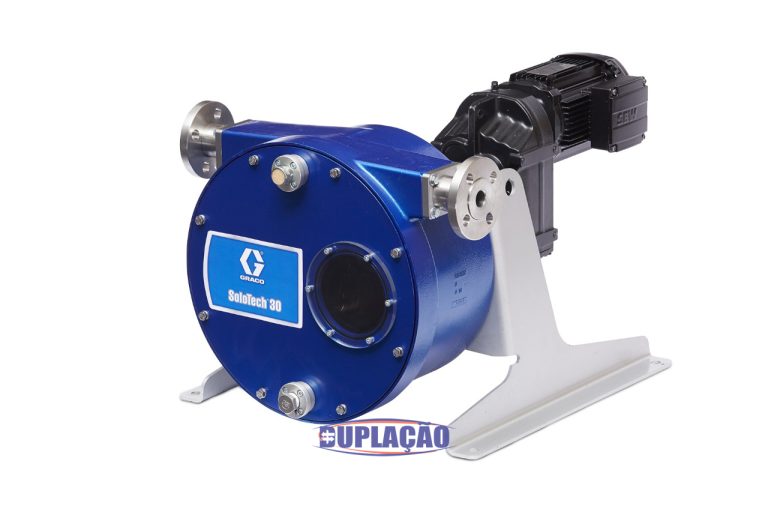
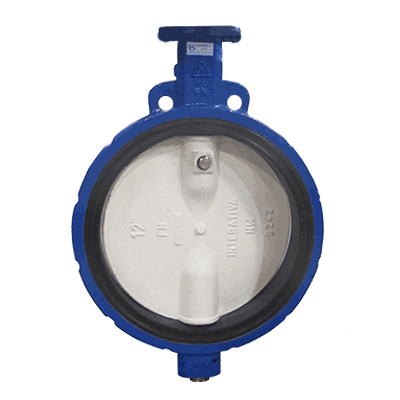
The gate valve is an essential device for controlling the flow of fluids in pipes, offering advantages such as durability, efficiency and easy maintenance. It is widely used in sectors such as oil, gas, water and sanitation, and is crucial for ensuring the safety and efficiency of industrial systems.
A gate valve suitable for applications are essential for the efficient control of fluids in various industrial systems. In this type of valve, the flow is regulated by a disc that rises and falls, promoting almost total closure, ideal for situations that require little friction and high durability. In the following article, we will unveil the main types of applications, their advantages and how to choose the best one for your needs.
What is a gate valve?
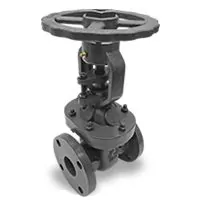
A gate valve is a device used to control the flow of fluids in pipes. Its operation is based on a disc that moves vertically, allowing or blocking the passage of fluid. This type of valve is ideal for applications where almost total closure is required, minimizing pressure loss and friction in the system.
Gate valves are often used in water, gas and steam systems and are a popular choice in industries such as petrochemicals and energy. Its robust construction guarantees durability and resistance to high pressures and temperatures.
One of the main features of the gate valve is its ability to provide continuous, unobstructed flow when it is fully open. This makes it an efficient option for processes that require precise flow control.
Furthermore, installation and maintenance of gate valves are relatively simple, which contributes to their popularity in various industrial applications.
Advantages of gate valves
As gate valves offer several advantages that make them a popular choice in industrial systems. One of the main advantages is their ability to provide a continuous, unobstructed flow when they are fully open. This is crucial in applications where flow efficiency is essential. Another significant advantage is durability. Gate valves are designed to withstand high pressures and temperatures, making them suitable for demanding industrial environments. Its robust construction minimizes the need for frequent maintenance, resulting in savings in time and operating costs. Furthermore, gate valves have a design that allows almost total closure, reducing pressure loss and friction in the system. This contributes to energy efficiency since less energy is required to pump fluids through the system. Finally, the installation and maintenance of gate valves are relatively simple, which facilitates their adoption in various applications. This ease of use, combined with their performance characteristics, makes them a reliable choice for fluid control in various industries.
Applications of gate valve in different sectors
A gate valve It is widely used in various industrial sectors due to its efficiency and reliability. One of the main applications is in oil and gas industry, where it is used to control the flow of fluids in pipelines and transportation systems. Its ability to withstand high pressures and temperatures makes it ideal for these extreme conditions.
No water and sanitation sector, gate valves are used in supply and sewage systems, allowing precise control of the water flow. They are essential to guarantee the efficiency of the system and security of supply.
Also, in chemical industry, gate valves are used to handle chemicals and corrosive fluids. Its robust construction and resistant materials guarantee system integrity and operational safety.
Finally, gate valves are also common in HVAC systems (heating, ventilation and air conditioning), where they control the flow of air and refrigerants, contributing to energy efficiency and environmental comfort.
How to choose the ideal gate valve
Choose the ideal gate valve For its application requires attention to several important factors. Firstly, it is essential to consider the Type of fluid that will be controlled. Gate valves are suitable for liquids and gases, but the compatibility of the valve material with the fluid is crucial to prevent corrosion and failure.
Another aspect to be evaluated is the pressure and temperature of the system. Valves must be selected based on operating pressure and temperature specifications to ensure safety and efficiency. Check the manufacturer's pressure and temperature ratings before making your choice.
A valve dimension is also a determining factor. The valve must be correctly sized for the pipe diameter and desired flow. A valve that is too small may restrict flow, while one that is too large may not work efficiently.
Also, consider the drive method. Gate valves can be manual or automatic. The choice between manual or automatic activation will depend on the frequency of use and the need for remote control.
Finally, it is recommended that you consult a specialist or engineer to ensure that the valve you choose meets all of your system's specific needs. This approach will help avoid future problems and ensure system efficiency.
Final Thoughts on Gate Valves
Gate valves play a crucial role in various industrial sectors, offering efficient control of fluid flow. When choosing the ideal valve, it is important to consider factors such as fluid type, pressure, temperature and dimensions.
Understanding the advantages and applications of gate valves can help you make informed decisions, ensuring the efficiency and safety of systems. The right choice not only improves performance but also reduces long-term operating costs.
Therefore, when implementing gate valves in your systems, keep best practices in mind and consult experts when necessary to ensure the success of your application.
FAQ – Frequently asked questions about gate valves
What is a gate valve?
A gate valve is a device used to control the flow of fluids in pipes, allowing almost total closure and continuous flow when open.
What are the main advantages of gate valves?
The main advantages include durability, efficiency in flow control, easy installation and maintenance, as well as being suitable for high pressures and temperatures.
In which sectors are gate valves used?
Gate valves are used in sectors such as oil and gas, water and sanitation, chemical industry and HVAC systems.
How do I choose the ideal gate valve for my application?
To choose the ideal valve, consider the type of fluid, pressure, temperature, dimensions and actuation method, in addition to consulting a specialist if necessary.
What is the difference between manual and automatic gate valves?
Manual valves are operated manually, while automatic valves can be controlled remotely, offering greater convenience in frequent applications.
Do gate valves require regular maintenance?
Although they are durable, it is recommended to perform periodic inspections and maintenance to ensure proper functioning and extend the life of the valve.