Pneumatic connections are essential components in industrial systems, offering efficiency, safety and versatility. When choosing the ideal connection, consider factors such as operating pressure, fluid type and working environment to ensure proper system performance.
As main types pneumatic connections are fundamental for the efficient functioning of industrial systems. They ensure that compressed air is transported and used safely and effectively. In this content, we will cover the different types, their advantages and how to choose the best option for your applications.
Pneumatic Connections: Definition and Types
As pneumatic connections They are essential components in systems that use compressed air. They allow the connection between different parts of the system, ensuring that air is transported efficiently and safely. There are several types of pneumatic connections, each designed to meet specific needs.
Types of Pneumatic Connections
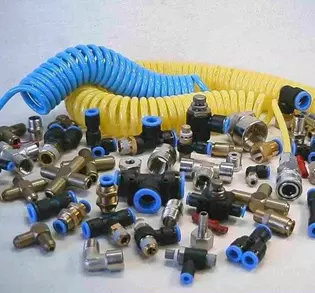
The main categories of pneumatic fittings include:
- Quick Connections: They allow the quick assembly and disassembly of tubes and hoses, facilitating maintenance.
- Threaded Connections: They offer a more robust and permanent connection, ideal for applications that require high pressure.
- Plug-in Connections: Used to join pipes of different diameters, providing flexibility in system design.
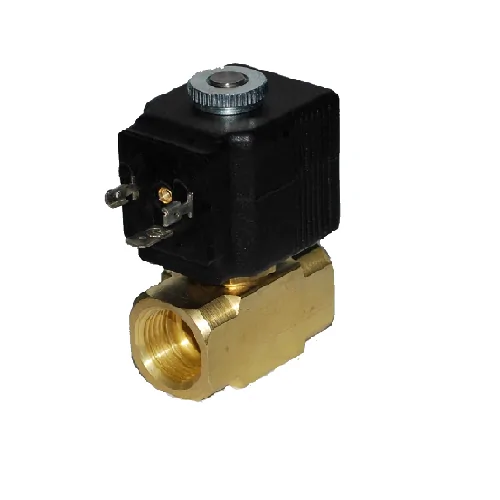
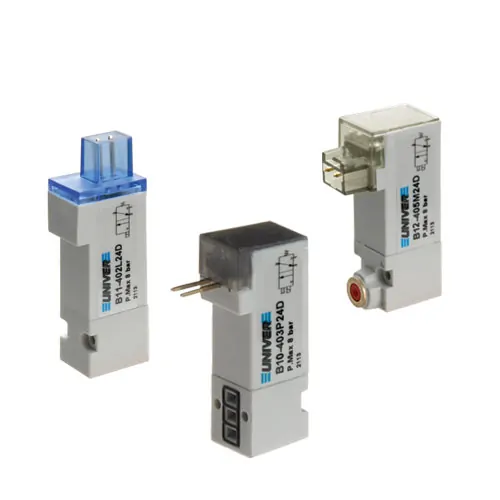
- Valve Connections: Integrated with pneumatic valves, they control air flow in automated systems.
Choosing the correct type of pneumatic connection is crucial to ensuring the efficiency and safety of the system. Factors such as operating pressure, fluid type and working environment must be considered in the selection.
Advantages of Pneumatic Connections
As pneumatic connections offer several advantages that make them a popular choice in industrial systems. They are designed to ensure efficiency, safety and ease of use in applications involving compressed air.
Energy efficiency
One of the main advantages of pneumatic connections is their ability to minimize air losses. This results in more efficient use of energy, reducing operating costs and increasing system sustainability.
Ease of installation
Pneumatic fittings are generally easy to install and replace. This means maintenance can be carried out quickly, minimizing downtime and increasing productivity.
Versatility
These connections are versatile and can be used in a wide range of applications, from automation systems to pneumatic tools. This adaptability allows them to be integrated into different system configurations.
Security
Pneumatic connections are designed to withstand high pressures and are often equipped with safety mechanisms that prevent leaks. This ensures a safer working environment for operators and reduces the risk of system failures.
Common Applications of Pneumatic Fittings
As common pneumatic fitting applications are varied and cover different industrial sectors. These connections are essential to ensure the efficient functioning of systems that use compressed air.
Automotive industry
In the automotive sector, pneumatic connections are used in assembly tools and in painting systems. They ensure that compressed air is supplied reliably, enabling precise and fast operations.
Food and Beverage Manufacturing
In the food and beverage industry, pneumatic connections are used in product packaging and transportation processes. They help maintain hygiene and safety, preventing contamination.
Construction Sector
Pneumatic fittings are widely used in pneumatic tools such as hammers and drills. They allow these tools to work efficiently, increasing productivity on the construction site.
Industrial automation
In automation systems, pneumatic connections are essential for controlling actuators and valves. They ensure that systems operate in a coordinated manner, increasing the efficiency and precision of operations.
How to Choose the Ideal Pneumatic Connection
Choose the ideal pneumatic connection is crucial to ensuring the efficiency and security of your system. There are several factors to consider when making this choice.
Operating Pressure
Firstly, it is important to check the system's operating pressure. Connections must be able to withstand the maximum pressure that will be applied, avoiding failures and leaks.
Type of fluid
Another factor to consider is the type of fluid that will be used. Make sure the connection is compatible with compressed air and that the materials used are suitable to avoid chemical reactions or degradation.
Work Environment
The environment where the connection will be installed also influences the choice. If the environment is aggressive, such as in places with high humidity or extreme temperatures, choose connections that offer resistance to these conditions.
Ease of maintenance
Consider the ease of installation and maintenance of connections. Models that allow for quick and easy assembly are preferable as they reduce downtime and improve operational efficiency.
Final Considerations on Pneumatic Connections
Pneumatic connections play a vital role in various industrial systems, ensuring efficiency and safety. When choosing the ideal connection, it is important to consider factors such as operating pressure, type of fluid, work environment and ease of maintenance.
Understanding the advantages and applications of these connections can help optimize processes and increase productivity. Therefore, when implementing pneumatic solutions, do not underestimate the importance of selecting the correct connections to meet your specific needs.
Investing in quality pneumatic connections can result in safer and more efficient operations, contributing to the success of your business.
FAQ – Frequently asked questions about pneumatic connections
What are the most common types of pneumatic connections?
The most common types include quick, threaded, plug-in, and valve connections, each with their specific applications.
How can I ensure the safety of pneumatic connections?
To ensure safety, choose connections that can withstand operating pressure and are made of suitable materials to prevent leaks.
What are the advantages of pneumatic connections?
Pneumatic connections offer energy efficiency, ease of installation, versatility and safety in industrial systems.
In which sectors are pneumatic connections most used?
They are widely used in the automotive industry, food manufacturing, construction and industrial automation.
How do I choose the ideal pneumatic connection for my system?
Consider factors such as operating pressure, fluid type, work environment and ease of maintenance when choosing a fitting.
Are pneumatic connections easy to maintain?
Yes, many pneumatic connections are designed to facilitate installation and maintenance, reducing system downtime.