Automation Z-configuration is an innovative approach that enables the efficient integration of pneumatic components into industrial systems. With a modular design, this configuration offers flexibility and adaptability, meeting the specific needs of each application. In this article, we will explore the advantages and applications of Z-configuration, highlighting how it can improve operational efficiency and reduce costs.
What is automation Z-configuration?
A Automation Z-configuration is an approach that aims to optimize the integration of pneumatic systems in industrial environments. This configuration is characterized by its ‘Z’ shaped arrangement, allowing an efficient connection between different components, such as Valves, actuators e pneumatic pumps. The main advantage of this configuration is the flexibility that it offers, enabling quick adaptations to the needs of the production process.
In practice, Z-configuration makes it easier to compressed air distribution and communication between devices, resulting in a more cohesive e efficient. Furthermore, this configuration allows for simpler maintenance, since the components are organized in a way that facilitates access and identification of faults.
Outro aspecto importante é que a Z-configuration pode ser facilmente integrada a sistemas de industrial automation, como controladores lógicos programáveis (CLPs) e sistemas de supervisão. Isso significa que empresas que adotam essa abordagem podem se beneficiar de uma automação mais inteligente, com maior controle sobre seus processos e a capacidade de monitorar em tempo real o desempenho dos equipamentos.
Vantagens da Z-configuration em sistemas pneumáticos
A Z-configuration in pneumatic systems offers several advantages que podem impactar positivamente a eficiência e a produtividade nas indústrias. Uma das principais vantagens é a flexibility that this configuration provides. With the ‘Z’ shaped arrangement, it is possible to quickly adapt the system to changes in production needs, allowing reconfiguration easy and quick assembly of components.
Another significant advantage is the cost reduction operational. The Z-configuration allows for better distribution of compressed air, minimizing losses and increasing energy efficiency. This results in a lower energy consumption and, consequently, a reduction in electricity expenses.
Furthermore, the Z-configuration makes it easy to maintenance and access to system components. With a clear, logical organization of devices, technicians can identify and resolve issues more quickly, reducing downtime and increasing productivity. availability of the system.
Finally, Z-configuration also improves the communication between pneumatic devices. This configuration allows for more efficient integration with control systems, such as PLCs, resulting in a monitoring more effective and more precise control of industrial processes.
Practical applications of Z-configuration in industry
A Automation Z-configuration there are several Practical Applications in industry, being especially useful in processes that require high efficiency and flexibility. A clear example is in assembly line, where the configuration allows the integration of different pneumatic components, such as actuators e Valves, to optimize the workflow. This results in an increase in productivity and a reduction in operational errors.
Another important application is in packaging industry. Z-configuration can be used to automate the product filling and sealing process, ensuring that machines operate synchronously and efficiently. This approach reduces cycle time and improves the quality of the final product.
Furthermore, Z-configuration is widely used in computer systems. material handling. With the ‘Z’ arrangement, it is possible to create systems that transport materials more efficiently, minimizing the space required and improving the ergonomics of the work environment. This is especially beneficial in warehouses and distribution centers.
Finally, Z-configuration is also applied in chemical process automation, where precision and control are crucial. The configuration allows for better monitoring of process parameters, ensuring that reactions occur within desired limits, increasing safety and efficiency.
Comparison with other automation configurations
A Automation Z-configuration stands out when compared to other configurations, such as inline configuration and a star configuration. In the in-line configuration, components are arranged sequentially, which can limit flexibility and the ability to adapt to changes in the process. On the other hand, Z-configuration allows for a more dynamic layout, facilitating quick adjustments without the need for complete reconfiguration of the system.
Another important difference is the energy efficiency. The Z-configuration, by optimizing the distribution of compressed air, tends to reduce energy consumption compared to the star configuration, where energy can be wasted over long piping distances. This results in a more economical and sustainable operation.
Furthermore, maintenance is a crucial factor. In the star configuration, access to components can be more complicated, making identifying faults and carrying out maintenance more time-consuming. Z-configuration, in turn, organizes devices so that access is easier, allowing for faster and more efficient maintenance.
Finally, the Z configuration is also superior in terms of integration with control systems. While other configurations may require complex adaptations to communicate with programmable logic controllers (PLCs), the Z-configuration is designed for more fluid integration, resulting in more precise and effective control of industrial processes.
How to implement Z-configuration in your company
Implement to Automation Z-configuration in your business requires careful planning and a systematic approach. The first step is to carry out a needs analysis of its production process. Identify which areas can benefit from automation and how Z-configuration can be applied to optimize these operations.
After analysis, it is important mapear o layout of the current system. This includes the arrangement of equipment, piping and connection points. Good mapping will help visualize how the new configuration can be integrated, ensuring that all components communicate efficiently.
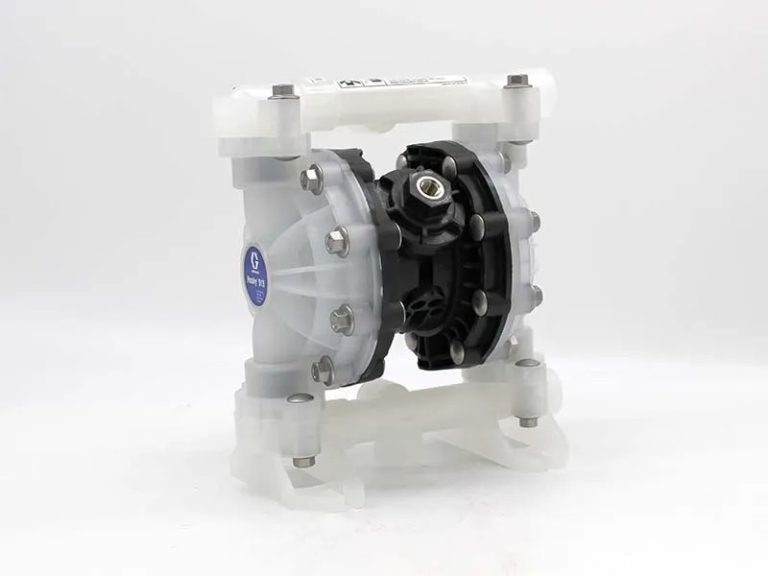
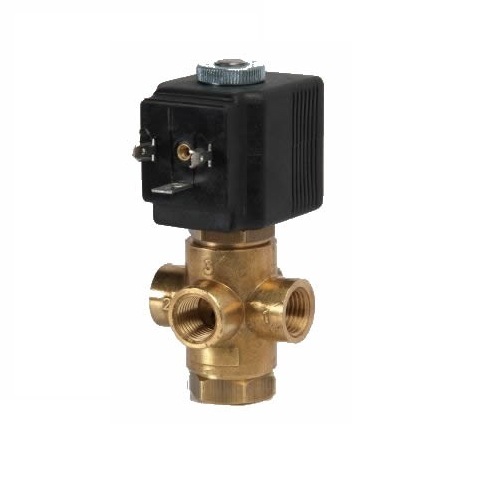
Then choose the pneumatic components suitable devices, such as valves, actuators and pumps, that fit into the Z-configuration. It is essential to choose quality products, such as those offered by Graco Inc. e Pneumax, which guarantee reliability and performance.
Once the components are selected, develop a installation plan. This plan should include timelines, resources needed, and the team responsible for implementation. It is recommended that you perform the installation in stages to minimize disruptions to existing operations.
After installation, it is crucial to carry out functional tests to ensure all components are operating correctly. This includes checking air pressure, communication between devices, and system efficiency. Adjustments may be necessary to optimize performance.
Finally, offer training for the team that will operate and maintain the system. A good understanding of Z-configuration and how it works is critical to maximizing the benefits of automation and ensuring the team is prepared to deal with any eventuality.