The distribution Z-branch is an essential component in pneumatic systems, designed to facilitate the distribution of compressed air efficiently. In this article, we will explore its features, benefits and practical applications. We will help you understand how this device can improve your system performance.
1. What is a distribution Z-branch?
O Distribution Z-branch is a fundamental component in pneumatic systems, designed to optimize the distribution of compressed air. It acts as a divider, allowing air to be directed to multiple points of use from a single source. This device is essential to ensure that pressure and air flow are maintained in a balanced manner throughout the pneumatic network.
The Z-branch is generally made from materials such as aluminum or resistant plastic, which guarantees durability and resistance to corrosion. Its ‘Z’ shape facilitates the connection of hoses or tubes, allowing for a more practical and efficient installation. Additionally, the Z-branch design minimizes pressure losses, contributing to optimized system performance.
In summary, the distribution Z-branch is an effective solution for those looking to improve the efficiency and reliability of pneumatic systems, ensuring that compressed air is distributed in an even and controlled manner.
2. Advantages of using Z-branch distribution
The use of Distribution Z-branch offers several advantages which can positively impact the efficiency of pneumatic systems. One of the main advantages is the reduction of pressure losses. By allowing a more balanced distribution of compressed air, the Z-branch minimizes resistance to flow, ensuring that pressure remains stable at all points of use.
Another significant advantage is the ease of installation. The ‘Z’ shaped design allows for simple and quick connections, which can reduce system assembly and maintenance time. This is especially important in industrial environments, where downtime can result in financial losses.
Furthermore, the Z-branch contributes to a better system organization. With the ability to direct air to multiple points, it helps prevent hose and pipe tangles, promoting a safer and more efficient work environment.
Finally, the durability of the materials used in the manufacture of the Z-branch, such as aluminum and high-resistance plastics, guarantees a long useful life, reducing the need for frequent replacements and, consequently, operating costs.
3. Practical applications of distribution Z-branch
O Distribution Z-branch It is widely used in several Practical Applications within pneumatic systems. One of the main areas of application is in automotive industry, where it is used to deliver compressed air to pneumatic tools such as impact wrenches and spray guns. This ensures that the tools receive the proper pressure for efficient performance.
Another important application of Z-branch is in packaging industry. It is used to drive automation systems that rely on compressed air, such as sealing and labeling machines. Efficient air distribution allows these machines to operate continuously and with high precision.
Furthermore, the Z-branch is often found in process control systems, where it is used to supply air to pneumatic actuators that regulate valves and other devices. This is crucial in sectors such as chemicals and petrochemicals, where precise control of the flow of materials is essential.
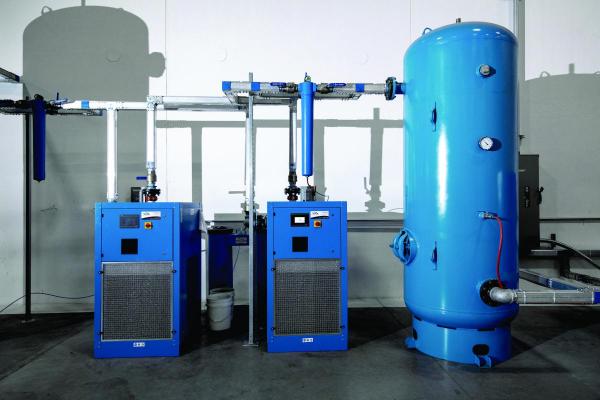
Finally, Z-branch can also be used in compressed air installations in factories, where it helps to optimize air distribution in different production areas. This not only improves efficiency, but also contributes to the safety of the working environment by preventing leaks and ensuring that all points of use have access to the necessary compressed air.
4. How to choose the right distribution Z-branch
Choose the Distribution Z-branch is crucial to ensuring the efficiency of your pneumatic system. To do this, it is important to consider some key factors.
First, evaluate the diameter of connections. The diameter must be compatible with the hoses or tubes you are using. An inadequate diameter can result in pressure and flow losses, compromising system performance.
Then consider the manufacturing material. Z-branches are made from different materials such as aluminum and high-strength plastics. Choosing a suitable material is essential to ensure durability and corrosion resistance, especially in industrial environments.
Another important aspect is the work pressure. Check that the chosen Z-branch can withstand the maximum pressure of your system. A component that cannot withstand the required pressure may fail, causing outages and safety risks.
Additionally, analyze the design do Z-branch. Some models have specific features, such as integrated control valves or versatile mounting options. Choosing a design that meets your specific needs can make system installation and operation easier.
Finally, always consult the manufacturer or a pneumatics specialist. They can provide valuable guidance on choosing the most suitable Z-branch for your application, ensuring you make the best choice for your system.