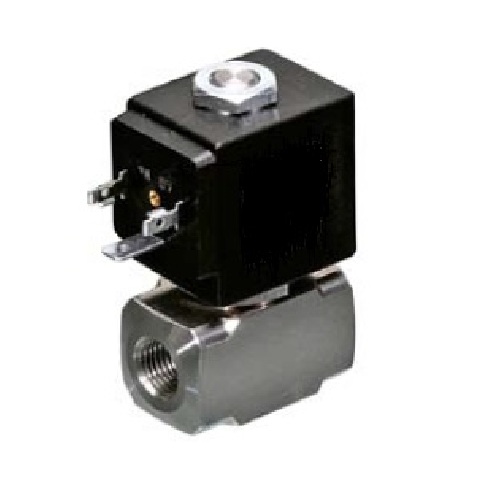
The valve Y-assembly is an essential component in pneumatic automation, allowing the integration of multiple valves into a single system. This device not only simplifies installation, but also improves operational efficiency by reducing required space and easing maintenance. In this article, we will explore the main features and benefits of the Y-valve assembly, as well as its practical applications in industry.
1. What is a Y-valve assembly?
O Y-valve assembly is a crucial component in pneumatic automation, designed to connect multiple valves into a single system. This device is characterized by its Y-shape, which allows for efficient distribution of compressed air or other fluids.
By integrating multiple valves, the Y-assembly simplifies installation and reduces the complexity of the pneumatic system. A typical Y-assembly consists of a central body, which has inputs and outputs for connecting the valves. Valves can be of different types, such as flow control valves or relief valves, depending on the desired application.
The Y-mounting facilitates maintenance, as it allows quick access to all connected valves, without the need to disassemble the entire system. Additionally, the Y-assembly is designed to withstand high pressures and temperatures, ensuring reliability and durability in demanding industrial environments.
The use of this component not only improves system efficiency, but also contributes to the reduction of operating costs, as it minimizes the space required for installation and the number of piping connections.
2. Advantages of using Y-valve assembly
The use of Y-valve assembly offers several advantages that can optimize pneumatic systems in industrial environments. One of the main advantages is the space saving. By integrating several valves into a single component, the Y-assembly reduces the number of piping and connections required, allowing for a more compact and organized installation.
Another significant advantage is the ease of maintenance. With all valves grouped together, access for inspection and repair is simplified. This means that in the event of a failure, maintenance can be carried out quickly, minimizing system downtime.
Furthermore, the Y-assembly provides a improvement in operational efficiency. The Y configuration allows for more direct airflow and fewer restrictions, resulting in faster valve response and better system control. This is especially important in applications that require precision and agility.
Finally, the Y-valve assembly also contributes to the reduction of operating costs. With fewer components and connections, there is a reduction in installation and maintenance costs. Additionally, improved efficiency can lead to a reduction in energy consumption, resulting in long-term savings.
3. Applications of Y-valve assembly in industry
O Y-valve assembly It is widely used in several industrial applications, due to its versatility and efficiency. One of the main areas of application is in process automation, where the Y-assembly allows simultaneous control of multiple valves, facilitating the operation of complex systems.
Na manufacturing industry, Y-assembly is used to optimize production lines. It can be integrated into pneumatic transport systems, where material movement is carried out quickly and efficiently. The Y configuration helps direct airflow to different sections of the line, ensuring each part of the process works in a coordinated manner.
Another important application is in chemical industry, where Y-assembly is used to control the mixing of different fluids. Precision in flow control is crucial to guarantee the quality of the final product. With the Y-assembly, it is possible to quickly adjust fluid proportions, improving the efficiency of the production process.
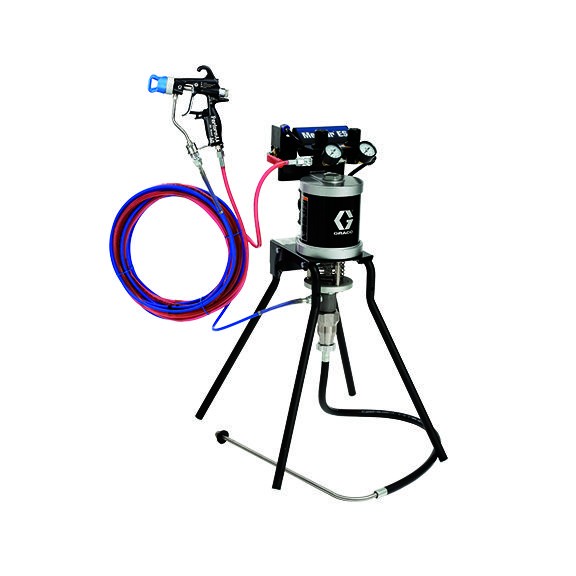
Additionally, the Y-valve assembly is often found in industrial. It allows precise control of pressure and paint flow, resulting in high-quality finishes. The ability to connect multiple valves to a single control point simplifies operation and reduces setup time between different colors or paint types.
Finally, Y-assembly is also used in ventilation and air conditioning, where it is necessary to control the air flow in different areas of a building. The flexibility of Y-assembly allows engineers to design systems that meet specific temperature and humidity requirements, improving comfort and energy efficiency.
4. Considerations for choosing valve Y-assembly
When choosing a Y-valve assembly, it is important to consider several factors that can impact the efficiency and functionality of the pneumatic system. Firstly, the compatibility with valves and other system components must be checked. It is essential that the Y-assembly is compatible with the technical specifications of the valves that will be used, such as pressure and type of fluid.
Another aspect to be considered is the operating pressure. The Y-assembly must be able to withstand the maximum pressure that will be applied to the system. This guarantees the safety and durability of the component, preventing failures that could result in unscheduled downtime.
A operating temperature is also a critical factor. It is necessary to choose a Y-assembly that can withstand the temperatures of the environment in which it will be installed. Components that are not designed for high temperatures may degrade, affecting system performance.
In addition, the FACILITY OF INSTALLATION AND MAINTENANCE must be taken into account. A Y-assembly that allows for simple and quick installation can save time and resources during system implementation. Accessibility for maintenance is also essential, as it facilitates regular repairs and inspections.
Finally, it is recommended to consider the manufacturer's reputation. Choosing brands recognized in the market, such as Graco Inc. and Pneumax, can guarantee the quality and reliability of the Y-assembly. Products from reputable manufacturers usually come with guarantees and technical support, which can be an important differentiator when choosing.