Xeno has stood out as an innovative solution in control systems, offering versatility and efficiency in various industrial applications. This article addresses its characteristics, advantages and practical examples of use, demonstrating how this technology can optimize processes and increase productivity.
What is Xeno?
Xeno is an advanced technology used in control systems, especially in industrial applications. It stands out for its ability to integrate different components and optimize processes. Xeno is designed to offer high precision and reliability, making it ideal for environments that require strict control of variables such as temperature, pressure and flow.
One of Xeno's main features is its flexibility. It can be adapted for various applications, from factory automation to controlling air conditioning systems. This versatility allows companies to implement customized solutions that meet their specific needs.
Furthermore, Xeno is known for its energy efficiency. By optimizing energy consumption, it not only reduces operational costs but also contributes to sustainable practices. This is especially important in a scenario where reducing emissions and responsible use of resources are increasingly valued.
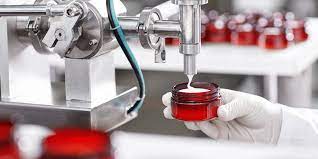
The use of Xeno in control systems also translates into greater security. With real-time monitoring and the ability to quickly detect failures, it minimizes risks and ensures process integrity. This is crucial in industries where safety is a priority, such as petrochemicals and pharmaceuticals.
In summary, Xeno represents an innovative and effective solution for control systems, offering significant benefits in terms of flexibility, energy efficiency and security. Its adoption can transform the way companies operate, providing more precise and reliable control over their processes.
Xeno Specific Applications
O Xeno It is widely used in several specific applications, standing out for its versatility and efficiency. One of the main areas of application of Xeno is in industrial automation. It is used in production lines to control machines and processes, ensuring that operations are carried out accurately and in real time.
Another important application of Xeno is in chemical process control. In chemical industries, Xeno is used to monitor and adjust variables such as temperature, pressure and flow of reagents. This ensures that reactions occur under ideal conditions, increasing the safety and efficiency of the process.
Furthermore, Xeno is used in Climatization Systems. It allows precise control of temperature and humidity in industrial and commercial environments, ensuring comfort and energy efficiency. With Xeno, it is possible to optimize energy consumption, automatically adjusting environmental conditions as needed.
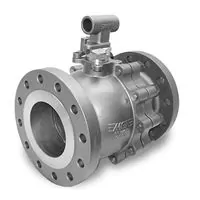
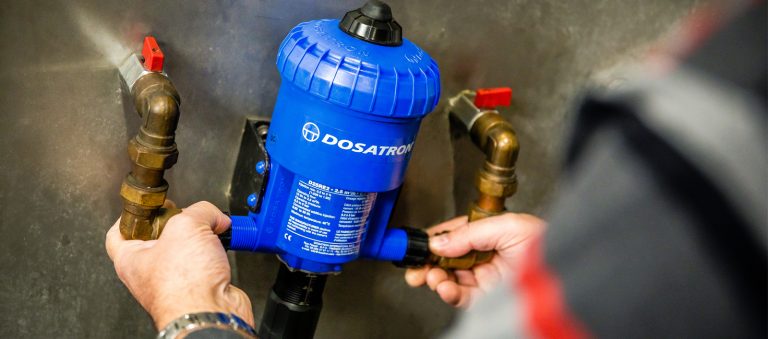
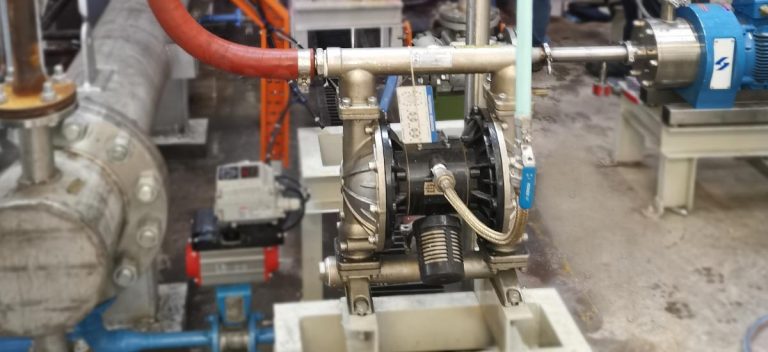
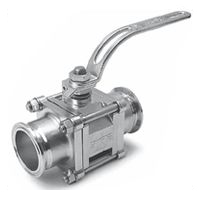
Xeno also finds application in fluid handling, where it is used to control pumps and valves. This is crucial in sectors such as food and beverage, where precision in liquid handling is fundamental to the quality of the final product.
Ultimately, Xeno is an effective solution in remote monitoring systems. It allows companies to monitor their operations remotely, receiving data in real time and being able to make instant adjustments. This monitoring capability is essential for predictive maintenance and reducing unscheduled downtime.
Advantages of Using Xeno
The use of Xeno in control systems brings several advantages that can positively impact the operation of a company. One of the main advantages is the operational efficiency. Xeno enables process automation, reducing the need for manual intervention. This not only speeds up production, but also minimizes human errors, resulting in a smoother, more reliable operation.
Another significant advantage is the cost reduction. With the automation provided by Xeno, companies can save on labor and reduce waste. Furthermore, optimizing energy consumption contributes to reducing operating expenses, making the process more financially sustainable.
A flexibility of Xeno is also a strong point. It can be easily adapted to different applications and industries, allowing companies to customize their solutions according to their specific needs. This adaptability is crucial in an ever-changing market, where the ability to adjust quickly can be a competitive differentiator.
Xeno also offers real -time monitoring, allowing companies to monitor their operations continuously. This makes it easier to identify problems before they become critical, enabling predictive maintenance and avoiding unexpected downtime. Real-time monitoring also improves decision-making by providing accurate and up-to-date data.
Finally, the security is an important advantage of using Xeno. With more accurate and reliable control systems, companies can ensure a safer working environment. Xeno helps minimize operational risks, protecting both workers and company assets.
Case Studies
Os case studies on the use of Xeno in control systems demonstrate how this technology can transform operations in different sectors. A notable example is the automotive industry, where Xeno was implemented to optimize the assembly line. With the automation provided by Xeno, the company was able to increase its production by 30%, reducing machine downtime and improving overall efficiency.
Another relevant case study is that of the food industry. A food processing company adopted Xeno to control the flow of ingredients in its factories. This resulted in a 25% reduction in raw material waste, as well as ensuring that products were made to the desired quality. Real-time monitoring allowed for immediate adjustments, ensuring recipes were followed accurately.
In the chemical sector, a company used Xeno to manage reactions in its production processes. With the implementation of Xeno, the company was able to increase operational security, reducing incidents by 40%. The control system allowed operators to monitor critical variables, such as temperature and pressure, in real time, avoiding dangerous conditions.
Furthermore, a case study in the area of air conditioning showed how Xeno can be used to optimize energy consumption in large buildings. A shopping center implemented Xeno to control its air conditioning system, resulting in 20% savings on its electricity bill. The system automatically adjusted the temperature based on the occupancy of the space, ensuring comfort for visitors and energy efficiency.
These case studies illustrate how Xeno not only improves efficiency and safety, but also contributes to sustainability and reduced operational costs in various industries.