Winding direction is a fundamental concept in several areas of engineering and automation. Understanding how winding direction influences the operation of electric motors and other devices is essential to optimizing performance and efficiency. In this article, we will explore the different aspects of winding direction, its practical applications, and the importance of choosing the correct direction for each project.
1. What is Winding Direction?
A winding direction refers to the direction in which wires are wound on a core or coil of an electric motor or other electromechanical devices. This direction can be hourly or counterclockwise, and your choice is crucial for the proper functioning of the equipment.
In electric motors, the winding direction determines how the magnetic field is generated and, consequently, how the motor will rotate. If the winding direction is incorrect, the motor may operate inefficiently or even not operate at all. For example, in alternating current (AC) motors, the winding direction can affect the polarity of the magnetic field, influencing the direction of rotation of the motor.
Furthermore, winding direction is an important factor in applications involving power transmission e motion control. In automated systems, correct steering ensures that components move in the desired direction, preventing failures and equipment damage.
Therefore, understanding what winding direction is and how it works is essential for engineers and technicians working with motors and pneumatic systems, ensuring that projects are carried out accurately and efficiently.
2. Importance of Winding Direction
A importance of winding direction It is a fundamental aspect in the operation of electric motors and pneumatic systems. Choosing the correct winding direction can directly impact the efficiency and the performance of equipment.
When the winding direction is correct, the motor operates smoothly and efficiently, ensuring that energy is used in the best way possible.
Furthermore, the winding direction influences the useful life of the engine. An engine that operates in the wrong direction may suffer overloads e mechanical damage, resulting in premature failures and high maintenance costs.
Therefore, understanding the winding direction is essential to avoid problems and extend the durability of the equipment.
In industrial applications, the winding direction is also crucial to the security. A motor that turns in the wrong direction can cause accidents, especially in automated systems where movement needs to be precise and controlled.
The correct configuration of the winding direction is therefore a matter of operational safety.
Finally, the winding direction is a determining factor in the performance of systems that depend on synchronization and coordination between multiple engines. In complex systems, the winding direction must be carefully planned to ensure that all components work in harmony.
3. Practical Applications of Winding Direction
A winding direction there are several Practical Applications in different industrial sectors. In electric motors, for example, the winding direction is crucial in determining the direction of rotation. This is especially important in production machines, where movement precision is essential for process efficiency.
In systems of industrial automation, the winding direction is used to control the movement of robots and actuators. Correct configuration ensures devices move in the desired direction, preventing failures and improving productivity. An error in the winding direction can result in equipment damage and production line interruptions.
Furthermore, in applications power transmission, as in reducers and gears, the winding direction influences how force is transmitted. Choosing the correct direction can optimize system efficiency and reduce component wear.
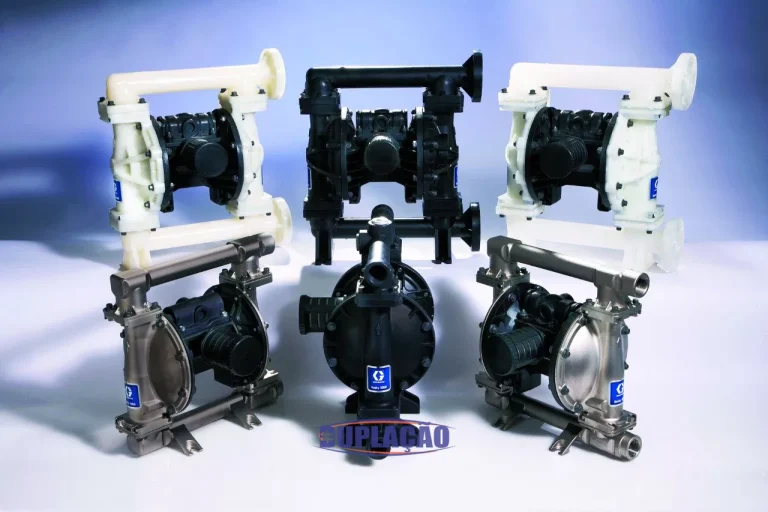
Another important application is in painting and coating, where the winding direction of pneumatic pumps must be adjusted to ensure uniform, high-quality coverage. The wrong direction can lead to failures in the application of the material, resulting in waste and rework.
Finally, the winding direction is relevant in air conditioning equipment, such as fans and compressors, where the direction of air flow must be carefully controlled to ensure comfort and energy efficiency.
4. How to Choose the Right Winding Direction
Choose the correct winding direction It is essential to ensure the efficient operation of engines and pneumatic systems. To make this decision, it is important to consider some key factors.
Firstly, it is necessary to understand the engine type that is being used. Direct current (DC) motors and alternating current (AC) motors can have different winding directions, and the configuration must be suited to the specific type of motor. Always check the manufacturer's specifications to ensure compatibility.
Another aspect to be considered is the engine application. In systems where the direction of rotation is critical, such as in production machines or robots, the choice of winding direction must be made based on operational needs. It is important to carry out tests to verify that the chosen direction meets the performance requirements.
In addition, the System Configuration must be analyzed. In systems involving multiple motors, the winding direction must be synchronized to ensure that all components work in harmony. A mistake in the direction of a single engine can compromise the entire system.
Finally, it is recommended to consult a technical specialist or engineer when choosing the winding direction. Experienced professionals can provide valuable guidance and help avoid mistakes that could result in operational failures or equipment damage.