Wind pressure is a crucial factor in several areas, from civil engineering to meteorology. Understanding how wind pressure acts and its implications is essential for the design of safe and efficient structures. In this article, we will cover the main aspects of wind pressure, its measurements and practical applications.
What is Wind Pressure? – Definition and basic concepts about wind pressure and its importance.
A wind pressure is the force exerted by air moving over a surface. This pressure is generated due to the difference in air density and atmospheric movement. When air moves, it creates areas of high and low pressure, resulting in a flow of air that we can feel as wind.
The importance of wind pressure is evident in several areas, such as civil engineering, where it is critical to consider wind forces when designing buildings and other structures. Poorly designed structures can suffer significant damage during storms or high winds, leading to high repair costs and safety risks.
Furthermore, wind pressure also plays a crucial role in meteorology. Meteorologists analyze wind pressure patterns to predict weather and understand phenomena such as hurricanes e storms. Understanding wind pressure helps anticipate climate change and prepare the population for extreme events.
In summary, wind pressure is a fundamental concept that affects both building safety and weather forecasting, and is essential for understanding our environment.
Causes of Wind Pressure – Factors that influence wind pressure, including temperature, topography and atmospheric movement.
A wind pressure It is influenced by several factors that act in the atmospheric environment. One of the main factors is the temperature. When air warms, it becomes less dense and tends to rise, creating areas of low pressure. On the other hand, cold air is denser and sinks, resulting in areas of high pressure. This difference in temperature and density is fundamental for the formation of wind.
A topography it also plays a crucial role in wind pressure. Mountains, valleys and other geographic formations can alter air flow. For example, when wind encounters a mountain, it is forced upward, which can result in a decrease in pressure in adjacent areas. This can create complex wind patterns and local turbulence.
In addition, the atmospheric movement is a determining factor. Global air circulation, which is influenced by the Earth's rotation and solar heat distribution, creates high and low pressure systems. These systems move and interact, resulting in variations in wind pressure in different regions.
These factors interact dynamically, resulting in wind patterns that may be predictable in some situations, but may also be unpredictable in others. Understanding these causes is essential for weather forecasting and engineering structures that need to withstand wind forces.
Wind Pressure Measurement – Methods and instruments used to measure wind pressure in different environments.
A wind pressure measurement It is essential for a variety of applications, from weather forecasting to structural design. There are several methods and instruments used for this measurement, each with its specific characteristics and applications.
One of the most common instruments is the anemometer, which measures wind speed. There are different types of anemometers, such as the cup anemometer, which uses rotating cups to determine wind speed, and the hot wire anemometer, which measures speed based on heat loss from a heated wire exposed to the wind.
In addition to the anemometer, the barometer is another important instrument. Although its main use is to measure atmospheric pressure, it can also be used to infer wind pressure in certain conditions. Variation in atmospheric pressure can indicate changes in wind conditions.
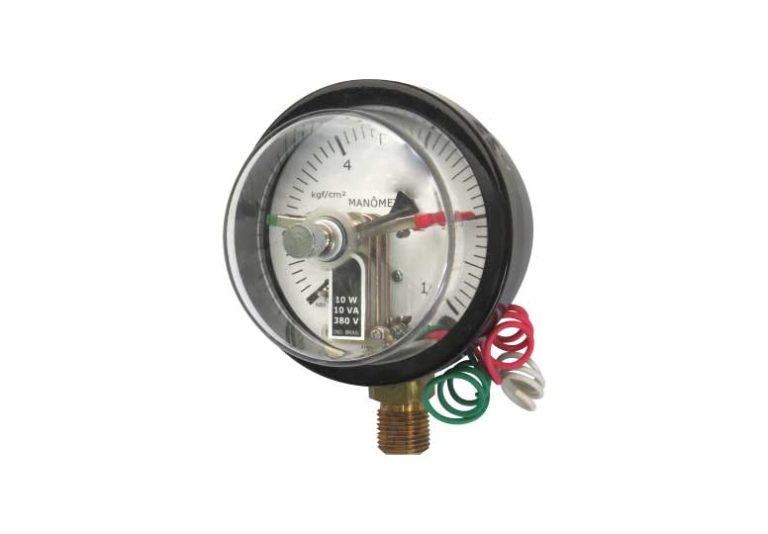
For more precise measurements, especially in industrial environments or construction areas, Pressure Sensors. These sensors can be installed in strategic locations to monitor wind pressure in real time. They provide data that can be integrated into automation systems to ensure the safety of structures.
In addition, the radar technology e satellites They are also used to measure wind pressure on larger scales. These methods allow data to be collected over large areas, helping to predict meteorological phenomena and analyze weather patterns.
In summary, wind pressure measurement is performed using a variety of instruments, each suited to different situations and needs. Choosing the correct method is essential to guarantee the accuracy of the data collected and, consequently, safety and efficiency in practical applications.
Practical Applications of Wind Pressure – How wind pressure is applied in engineering, architecture and meteorology.
A wind pressure It has several practical applications in various areas, being essential for ensuring the safety and efficiency of structures and systems.
Na engineering, wind pressure is one of the main factors considered in the design of buildings and bridges. Engineers perform detailed analyzes to determine how wind forces will affect the structure, ensuring it can withstand extreme loads during storms or high winds.
Na architecture, wind pressure also influences the design of facades and roofs. Architects need to consider how wind interacts with building materials and shapes. For example, tall buildings can create funnel effects, where wind is accelerated between structures, increasing pressure in certain areas. This can lead to design decisions that minimize wind impact and improve building durability.
Na meteorology, wind pressure is crucial for weather forecasting. Meteorologists analyze wind pressure patterns to predict weather phenomena such as storms and hurricanes. Wind pressure helps understand the movement of high and low pressure systems, which are responsible for significant climate change. Understanding these patterns allows authorities to prepare for extreme weather events and inform the public about possible risks.
Furthermore, wind pressure is used in renewable energy, such as wind energy. Wind turbines are designed to convert wind pressure into electrical energy. The efficiency of these turbines depends on accurately understanding the wind pressure in different locations, which influences the choice of installation locations.
These applications show how wind pressure is a critical factor across multiple disciplines, impacting everything from building safety to weather forecasting and power generation. Analyzing and understanding wind pressure is essential for developing effective and safe solutions in our environment.