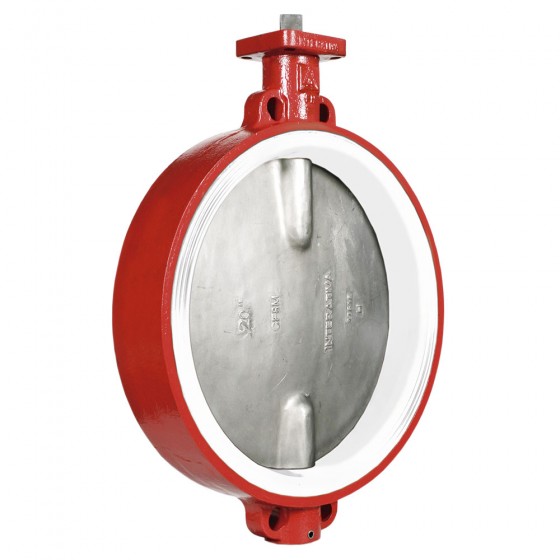
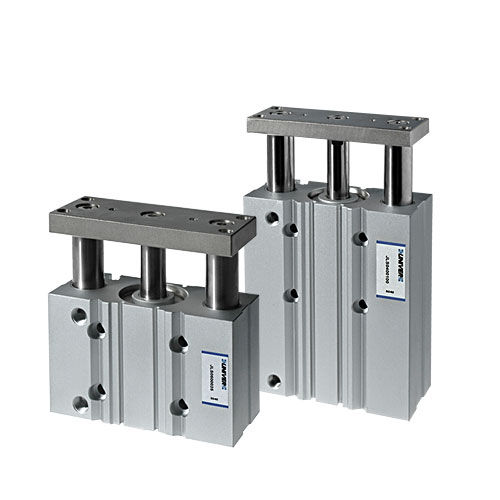
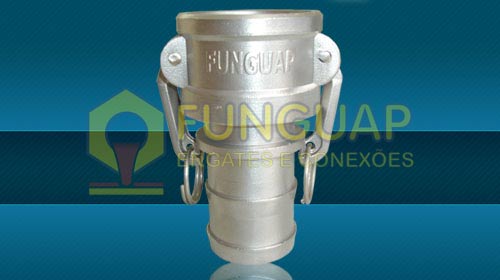
System control valves play a crucial role in industrial automation. They allow precise management of fluids and gases in various applications. In this article, we will explore the features, benefits and applications of these valves. We will highlight its importance for operational efficiency.
What is a System Control Valve? Definition and operation of system control valves in automation.
What is a System Control Valve? System control valves are fundamental devices in industrial automation, designed to regulate the flow of fluids and gases in a system. They act as controllers, adjusting the amount of fluid that passes through them, based on control signals received from an automation system.
Definition and operation: These valves can be operated manually or automatically, depending on the type of system in which they are integrated. Automatic operation is generally carried out using actuators that can be pneumatic, electric or hydraulic. When a signal is sent to the valve, it opens or closes, allowing fluid to flow or be stopped. This is essential to maintain the desired pressure and temperature in industrial processes.
Benefits of System Control Valves: The use of control valves in industrial processes brings several advantages. Firstly, they provide efficiency, as they allow precise flow control, avoiding waste and ensuring that processes operate within ideal parameters. Furthermore, the economy is an important factor, as optimizing the use of resources can result in reduced operating costs. The ability to quickly adjust operating conditions also contributes to security of the system, minimizing the risk of failures.
Practical Applications of Control Valves: Control valves are widely used in various industrial sectors, such as the chemical, petrochemical, pharmaceutical and food and beverage industries. For example, in a chemical processing plant, they can regulate the mixture of reactants, ensuring that the correct proportions are maintained. In the food industry, they are used to control the temperature and flow of ingredients during processing, ensuring the quality of the final product. Another example is in the automation of heating and cooling systems, where valves adjust the flow of water or steam to maintain the desired temperature.
Maintenance and Support for Control Valves: Regular maintenance of control valves is crucial to ensure their optimal performance. This includes periodic inspections, cleaning and replacement of worn parts. Specialized technical support is essential to resolve problems that may arise during operation. A good maintenance service can prevent unexpected failures, extending the useful life of valves and ensuring the continuity of industrial processes. Therefore, investing in maintenance and support is essential to maximize the efficiency and security of automated systems.
Benefits of System Control Valves. Advantages of using control valves in industrial processes, including efficiency and savings.
Benefits of System Control Valves: System control valves offer a number of significant advantages for industrial processes. Firstly, they are essential to ensure the efficiency operational. By regulating the flow of fluids and gases, these valves allow systems to function within ideal parameters, avoiding waste and optimizing the use of resources. This is particularly important in industries where precision is crucial, such as pharmaceuticals and petrochemicals.
Another important benefit is the economy that the control valves provide. With more precise flow control, it is possible to reduce operating costs, minimizing energy consumption and the need for frequent maintenance. Furthermore, the automation provided by these valves reduces the need for manual intervention, which also contributes to reducing errors and rework.
Control valves also increase the security of industrial processes. They are designed to respond quickly to changes in system conditions, such as variations in pressure or temperature. This means that, in the event of anomalies, the valves can act quickly to prevent accidents or damage to the equipment. The reliability of these valves is a critical factor for the continuity of operations and the protection of employees.
Finally, the flexibility of control valves allows them to be used in a wide range of applications. From simple process control to complex automation systems, these valves easily adapt to the specific needs of each industry. This versatility is one of the main reasons why control valves are so valued in the industrial market.
Practical Applications of Control Valves. Examples of how control valves are used in different industrial sectors.
Practical Applications of Control Valves: Control valves are widely used in various industrial sectors, playing a crucial role in process automation.
Na chemical industry, for example, these valves are essential for regulating the mixture of reactants in reactors. They ensure that the correct proportions are maintained, which is vital for the safety and efficiency of chemical reactions. Additionally, the ability to precisely adjust flow helps optimize production and minimize waste.
Na food and beverage industry, control valves are used to manage the flow of ingredients and control temperature during processing. This ensures that final products meet quality and food safety standards. For example, on a bottling line, valves can regulate the pressure and flow of liquids, ensuring each bottle is filled correctly.
Another sector where control valves are vital is in petrochemical industry. They are used to control the flow of oil and gas in refineries, where precision is essential to avoid accidents and ensure process efficiency. The automation provided by these valves allows refineries to operate under safe and optimized conditions, reducing the risk of failures.
Furthermore, control valves are essential in HVAC (heating, ventilation and air conditioning). They regulate the flow of air and refrigerant, ensuring that environments are maintained at comfortable and efficient temperatures. This not only improves occupant comfort, but also contributes to the energy efficiency of buildings.
In summary, control valves are fundamental components in a variety of industrial applications, allowing processes to be carried out efficiently, safely and economically.
Maintenance and Support for Control Valves. Importance of regular maintenance and technical support to ensure optimal valve performance.
Maintenance and Support for Control Valves: Regular maintenance of control valves is essential to ensure their optimal performance and extend their useful life. These valves, which play a critical role in industrial automation, need to be inspected periodically to avoid failures that could compromise system operation. Preventative maintenance includes checking components such as seals, actuators and drive mechanisms, ensuring that everything is working properly.
Importance of Maintenance: Proper maintenance helps identify problems before they become critical. For example, a worn seal can lead to leaks, which not only affects system efficiency but can also cause damage to other equipment. Additionally, regular maintenance ensures that valves operate within safe parameters, reducing the risk of accidents.
Technical Support: Technical support is equally important. Having access to qualified professionals who can offer assistance in case of failures or doubts about valve operation is essential. These experts can provide guidance on installing, configuring and optimizing control valves, ensuring they operate efficiently and effectively.
Additionally, technical support can include training for the team that operates the systems, enabling them to quickly identify and resolve problems. This not only improves operational efficiency but also increases safety in the workplace.
In summary, regular maintenance and technical support are fundamental pillars to ensure that control valves operate reliably, contributing to the efficiency and safety of industrial processes.