Filtration units play a crucial role in industry, being responsible for removing impurities and contaminants from fluids. This article explores the advantages and applications of filtration units, highlighting their importance for operational efficiency and the quality of final products.
What is a Filtration Unit? – Definition and basic functioning of filtration units in industrial processes.
What is a Filtration Unit?
The filtration unit is essential equipment in industrial processes, designed to remove impurities and contaminants from fluids. These systems use different separation methods, such as mechanical filtration, membrane filtration e chemical filtration, depending on the type of fluid and the particles to be removed. The basic operation involves passing the fluid through a filtering medium, which retains unwanted particles, allowing the clean fluid to move on to the next stages of the process.
Advantages of Using Filtration Units
Filtration units offer several significant advantages. Firstly, they increase the efficiency processes, ensuring that the fluids used are free of contaminants that could affect production. Additionally, use of these units may result in a cost reduction, as it minimizes the need for maintenance on downstream equipment and extends its useful life. Finally, proper filtration improves product quality final products, ensuring that they meet the standards required by the market.
Applications of Filtration Units in Industry
Filtration units are widely used in various industrial sectors. In chemical industry, they are essential for the purification of reagents and solvents. In food industry, ensure that products are free of contaminants, ensuring food safety. Already in pharmaceutical, filtration is crucial for the production of high-quality medicines, where purity is key.
Maintenance and Care of Filtration Units
To ensure the longevity and performance of your filtration units, it is important to follow some best practices. Carry out periodic maintenance It is essential to check the condition of the filter medium and replace it when necessary. Furthermore, it is essential to monitor the operating pressure and fluid flow, as variations may indicate obstructions or failures in the system. Regular cleaning of components also helps maintain equipment efficiency.
Advantages of Using Filtration Units – Benefits such as increased efficiency, reduced costs and improved product quality.
Advantages of Using Filtration Units
Filtration units offer a range of benefits which are crucial for the efficiency of industrial processes. One of the main advantages is the increased efficiency operational. By removing impurities and contaminants from fluids, these units ensure processes run more smoothly and efficiently, reducing unscheduled downtime and improving overall productivity.
Furthermore, the use of filtering units results in a cost reduction. With adequate filtration, there is a reduction in the need for equipment maintenance, as the presence of contaminants can cause wear and failure. This means that repair and part replacement costs are significantly lower. Energy efficiency is also optimized, as clean systems operate with less resistance, consuming less energy.
Another important point is the improvement in product quality. In sectors such as food and pharmaceuticals, fluid purity is essential to ensure safety and compliance with regulatory standards. Effective filtration ensures that final products meet required quality standards, avoiding rework and financial losses associated with non-conforming products.
Finally, the implementation of filtering units contributes to the sustainability of industrial processes. By reducing material waste and improving resource efficiency, companies can operate more responsibly and in line with contemporary environmental practices.
Applications of Filtration Units in Industry – Sectors that use filtration units, including chemical, food and pharmaceutical.
Applications of Filtration Units in Industry
Filtration units are widely used in various industrial sectors, playing a crucial role in fluid purification. In chemical industry, these units are essential for removing impurities from reagents and solvents, ensuring that production processes occur efficiently and safely. Proper filtration prevents unwanted reactions that can be caused by contaminants, ensuring the quality of the final products.
Na food industry, filtration is essential to guarantee the safety and quality of food. Filtration units remove unwanted particles such as dirt, bacteria and other contaminants, ensuring products comply with food safety standards. This is especially important in processes such as juice, oil and dairy production, where product purity is critical.
Also, in pharmaceutical, filtration units are used to ensure the purity of active ingredients and final products. The presence of contaminants can compromise the effectiveness of medicines and patient safety. Therefore, filtration is a vital step in the manufacturing process, ensuring that products meet the rigorous quality standards required by the industry.
Other sectors, such as petrochemical industry and a water treatment industry, also benefit from filtration units. In water treatment, for example, filtration is used to remove suspended solids and pollutants, ensuring that treated water meets potability standards. Thus, filtration units are essential for the efficient and safe operation of a wide range of industrial processes.
Maintenance and Care of Filtration Units – Recommended practices to ensure the longevity and performance of filtration units.
Maintenance and Care of Filtration Units
Proper maintenance of filtration units is essential to ensure their longevity and performance. Firstly, it is important to carry out regular inspections to check the condition of the filter medium. Particle buildup can obstruct flow and reduce system efficiency. Therefore, changing the filter medium must be done according to the manufacturer's recommendations or when the operating pressure indicates an obstruction.
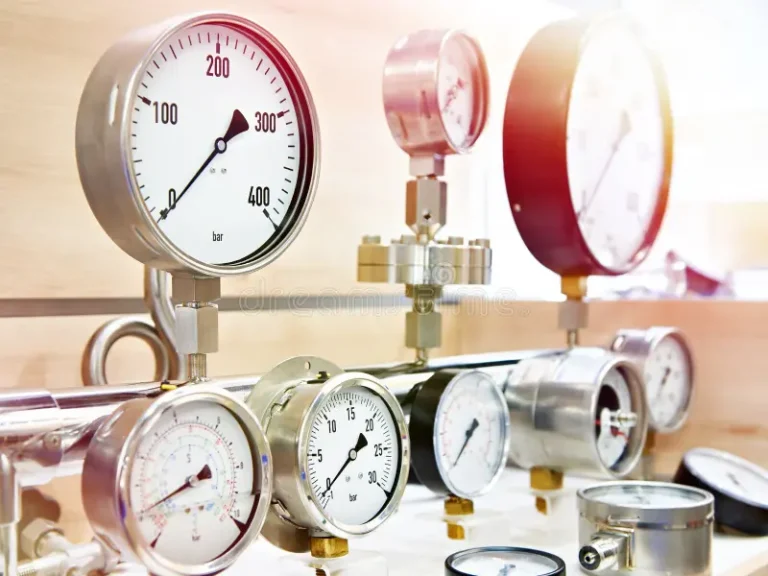
Furthermore, it is essential to monitor the inlet and outlet pressure of the filtration unit. Significant variations may indicate problems, such as blockages or system failures. The use of pressure gauges can help monitor these measurements and facilitate the identification of anomalies.
A regular cleaning of drive components is also a best practice. This includes cleaning valves, pipes and other accessories that can accumulate residue. Cleaning must be carried out with suitable products, avoiding substances that could damage the unit’s materials.
Another important aspect is the maintenance documentation. Keeping a detailed record of inspections, filter media changes and cleanings helps you identify wear patterns and plan future maintenance. This can be crucial to avoiding unexpected failures and ensuring continued system operation.
Finally, it is advisable to have the support of qualified professionals to carry out more complex maintenance. Specialized technical assistance can offer guidance and services that guarantee the ideal functioning of filtration units, extending their useful life and ensuring the efficiency of industrial processes.