Output voltage is a fundamental aspect in pneumatic systems, directly affecting the operation of valves and actuators. Understanding this concept is essential to guarantee the efficiency and reliability of industrial processes. In this article, we will cover the importance of output voltage, its practical applications and how it can impact the performance of pneumatic systems.
Output Voltage Setting
Output Voltage Setting: Output voltage refers to the pressure or force that a pneumatic system exerts when releasing air or another gas. This voltage is crucial for the proper functioning of valves and actuators, as it determines the devices' ability to move and control.
Importance of Output Voltage in Pneumatic Systems: Output voltage is vital to ensuring equipment operates efficiently. Inadequate voltage can lead to system failures, resulting in lost productivity and increased operating costs.
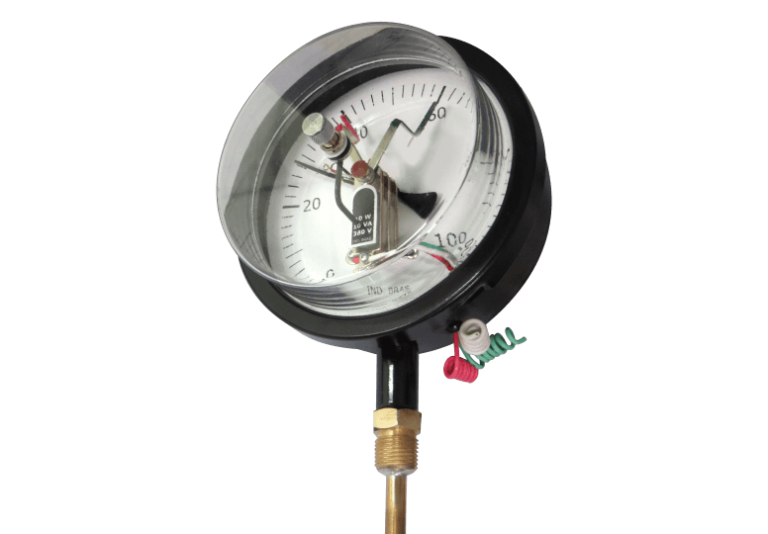
How to Measure Output Voltage: Measuring the output voltage can be carried out using pressure gauges or pressure sensors. It is important to perform these measurements regularly to ensure that levels are within the manufacturer's recommended specifications.
Impact of Output Voltage on Equipment Performance: The output voltage directly affects the speed and accuracy of actuator movements. Too low a voltage can result in slow movement, while too high a voltage can cause component damage.
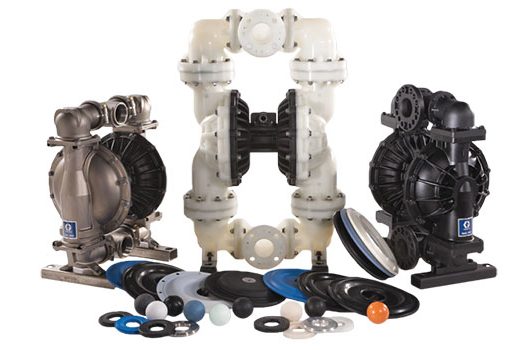
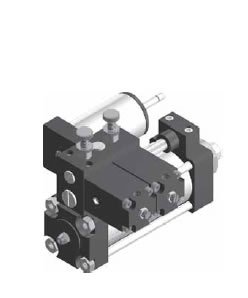
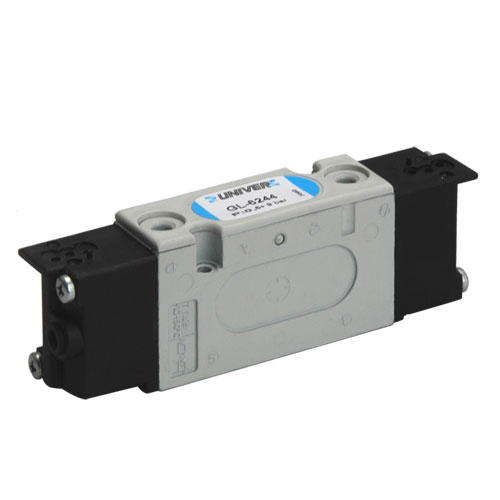
Strategies for Optimizing Output Voltage: To optimize output voltage, it is essential to adjust compressor settings and perform regular maintenance on pneumatic systems. Additionally, choosing high-quality components, such as valves and actuators from Graco Inc. and Pneumax, can significantly contribute to system efficiency.
Importance of Output Voltage in Pneumatic Systems
The importance of output voltage in pneumatic systems is a critical factor that cannot be underestimated.
The output voltage determines the force with which compressed air is released, directly influencing the efficiency and effectiveness of pneumatic equipment.
When the output voltage is within ideal parameters, actuators and valves function optimally, resulting in smooth, accurate operations.
An inadequate output voltage It can lead to a series of problems, such as mechanical failures, premature wear of components and even unexpected production stops.
Additionally, output voltage impacts the speed of response of systems, affecting overall productivity.
Therefore, maintain adequate output voltage It is essential to ensure the longevity of equipment and continuity of operations.
Regular monitoring and adjustments as needed are best practices to ensure that output voltage remains within optimal levels, thereby contributing to operational efficiency and cost reduction.
How to Measure Output Voltage
How to measure output voltage is a crucial step to ensure the efficient operation of pneumatic systems.
The measurement can be carried out using gauge or Pressure Sensors, which are devices designed to provide accurate air pressure readings.
To begin with, it is important turn off the system before connecting the pressure gauge, ensuring safety during the process.
After connection, turn the system on again and observe the reading on the pressure gauge.
Ideal values The output voltage varies according to the type of equipment and the manufacturer's specifications, so it is essential to consult the equipment manual.
Furthermore, it is recommended to take measurements at regular intervals to monitor pressure and detect possible variations.
If the output voltage is outside the parameters recommended, adjustments should be made to the compressor or control valves to restore proper pressure.
This practice not only improves system performance but also prevents long-term damage.
Impact of Output Voltage on Equipment Performance
Impact of output voltage on equipment performance It is a fundamental aspect that must be considered in pneumatic systems.
The output voltage directly affects the operational efficiency and a reliability of equipment.
When the output voltage is within ideal levels, actuators and valves operate with precision, ensuring fast and effective movements.
On the other hand, inadequate output voltage may result in leaks, mechanical failures and even unexpected stops in production.
This not only compromises productivity, but also increases maintenance and operating costs.
Furthermore, the output voltage influences the component life.
Excessive pressures can cause accelerated wear, while too low pressures can lead to irregular operation.
Therefore, monitoring and adjusting the output voltage is essential to optimize equipment performance and ensure the continuity of industrial operations.
Strategies for Optimizing Output Voltage
Strategies for optimizing output voltage are essential to ensure optimal performance of pneumatic systems.
The first strategy is perform preventive maintenance regularly. This includes checking components such as valves, actuators and filters, which can affect system pressure.
In addition, it is important adjust the compressor so that it operates within recommended specifications, avoiding excessive or insufficient pressures.
Another effective strategy is monitor output voltage with manometers or pressure sensors. This allows you to quickly identify any deviation from ideal levels.
Replace worn components It is also crucial, as damaged parts can compromise the system's efficiency.
In addition, the Team training operating the pneumatic systems is critical. Regular training ensures operators know how to adjust and maintain output voltage correctly.
Finally, consider using advanced technology, such as automation systems, can further optimize output voltage management, resulting in greater efficiency and reduced operating costs.