A control system is essential for the automation and optimization of processes in various industries. It allows you to monitor, adjust and manage operations effectively, ensuring that organizational objectives are achieved. In this article, we will explore the main aspects and benefits of implementing a control system in your company.
What is a Control System? Definition and main components of a control system, including hardware and software.
A control system is a set of devices and processes that manage, regulate and monitor the behavior of physical or virtual systems. These systems are essential in various applications, from industrial automation to process management in companies.
The main components of a control system include both hardware and software.
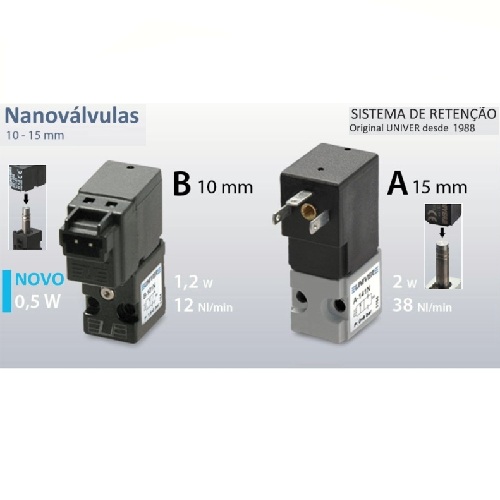
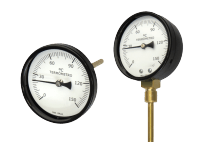
O hardware it generally consists of sensors, actuators and controllers. You sensors are responsible for collecting data from the environment, such as temperature, pressure or speed. This data is sent to the controller, which processes information and makes decisions based on predefined algorithms. You actuators they then perform the necessary actions to adjust the system, such as opening a valve or starting an engine.
O software It is the part that allows programming and configuration of the control system. It can include graphical interfaces that facilitate user interaction, as well as algorithms that determine how the system should respond to different conditions. The integration between hardware and software is crucial for the effective functioning of a control system.
In short, a control system is a combination of hardware and software that works together to monitor and regulate processes, ensuring that desired objectives are achieved efficiently.
Benefits of Implementation. How a control system can increase efficiency, reduce costs and improve the quality of processes.
Implementing a control system brings several significant benefits to organizations. One of the main benefits is the increase in efficiency operational. With a control system, companies can monitor processes in real time, allowing immediate adjustments and avoiding waste. This results in a more agile and productive workflow.
Another important benefit is the cost reduction. By optimizing processes and minimizing errors, companies are able to save resources, such as time and materials. Furthermore, automating repetitive tasks frees employees to focus on more strategic activities, further increasing productivity.
A process quality it is also improved by implementing a control system. With the ability to continually monitor and adjust operations, companies can ensure quality standards are maintained. This is especially crucial in industries where compliance with standards and regulations is mandatory.
In short, a control system not only improves efficiency and reduces costs, but also ensures that the quality of products and services offered by the company is always at a high level.
Types of Control Systems. Exploration of different types of control systems, such as open-loop and closed-loop control.
Control systems can be classified into different types, the most common being open loop control and the closed loop control. Each of these types has distinct characteristics that make them suitable for different applications.
No open loop control, the system does not use feedback to adjust its operations. This means that actions are performed based on predefined inputs without considering the actual outcome. A typical example is an oven that is programmed to operate at a specific temperature. If the temperature is not reached, the system does not automatically adjust its operation. This type of control is simple and economical, but may be less accurate in situations where external conditions vary.
On the other hand, the closed loop control uses feedback to continuously monitor and adjust the system. In this case, sensors measure the result of the operation and send this information back to the controller, which makes the necessary adjustments. An example is a thermostat that regulates the temperature of a room. If the temperature is below the desired temperature, the system increases the heating until the correct temperature is reached. This type of control is more complex, but offers greater precision and efficiency.
In addition to these, there are other types of control systems, such as adaptive control, which adjusts its operations based on changing environmental conditions, and the predictive control, which uses mathematical models to predict system behavior and optimize its performance. Choosing the appropriate type of control system depends on the specific application needs and desired objectives.
Implementation and Best Practices. Tips and strategies for implementing an effective control system in your organization.
Implementing an effective control system requires careful planning and consideration of several best practices. Firstly, it is essential clearly define objectives of the system. This involves identifying which processes need to be monitored and what results are expected. Having well-defined goals helps guide the entire implementation process.
Next, it is important carry out a detailed analysis of existing processes. This includes mapping workflows and identifying critical points that can be optimized. Understanding how processes currently work allows you to make more effective adjustments during the implementation of the new system.
Another crucial aspect is choose the appropriate technology. There are several hardware and software options available on the market. Assessing your organization's specific needs and choosing solutions that integrate well with existing systems is critical to success.
Furthermore, training and qualification of the team are essential. Ensuring that all employees are familiar with the new system and know how to use it correctly maximizes efficiency and minimizes errors. Ongoing training programs are also recommended to keep staff up to date on new features.
Finally, it is important continually monitor and evaluate system performance after implementation. This involves collecting feedback from users and making adjustments as needed. The ability to adapt and continually improve is vital to ensuring that the control system meets the organization's long-term needs.