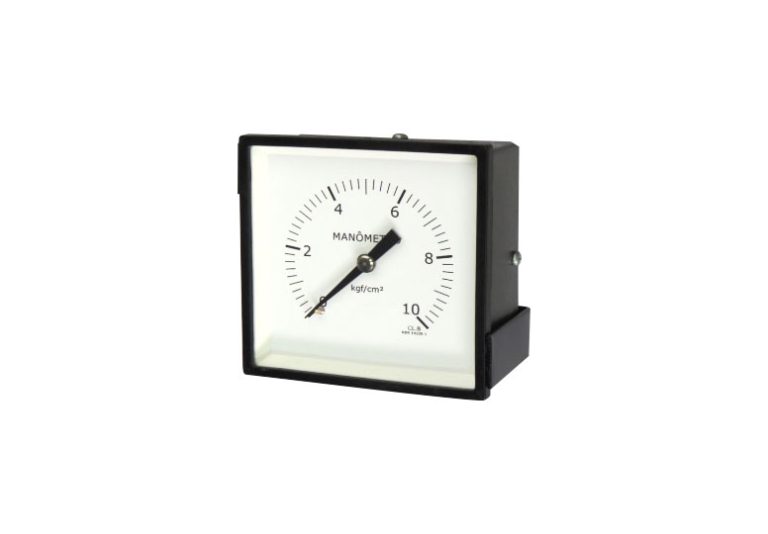
Equipment repair is a crucial step in maintaining operational efficiency in various sectors. With the advancement of technology, it is essential to have specialized services that guarantee the adequate recovery and maintenance of equipment. In this article, we will cover the main techniques and the importance of equipment repair to extend the useful life of your assets.
1. Importance of Equipment Repair
O equipment repair is essential to ensure the continuity of operations in any sector. When equipment fails, it can result in unexpected downtime, affecting productivity and increasing operating costs. Therefore, regular maintenance and proper repair are essential.
In addition to avoiding interruptions, the repair contributes to the security of workers. Poorly maintained equipment can pose risks, such as accidents and injuries. Therefore, keeping equipment in good condition is a matter of responsibility.
Another important point is the economy. Performing repairs rather than replacing equipment can be a more cost-effective solution in the long run. Replacing parts and preventive maintenance can extend the useful life of equipment, resulting in less spending on new investments.
Additionally, equipment repair helps maintain energy efficiency. Well-maintained equipment operates more efficiently, consuming less energy and reducing electricity costs. This is especially relevant in a scenario where sustainability and cost reduction are priorities.
Finally, equipment repair is a practice that demonstrates the company's commitment to quality and excellence. Equipment in good condition reflects the company's image and its ability to meet market demands.
2. Types of Equipment that Need Repair
There are different types of equipment which may require repair throughout their useful life. Each category has specific characteristics and requires different care. Knowing these types is essential to ensure effective maintenance.
One of the main types are industrial machines. They are essential in factories and can include lathes, milling machines and presses. Mechanical wear and lack of lubrication are common problems that can lead to failures. Regular maintenance is crucial to avoid production downtime.
Another important group is electronic equipment, such as computers and automation systems. These devices may fail due to software or hardware issues. Accurate diagnosis is necessary to identify whether the problem is a component failure or a configuration issue.
As hand tools also need attention. Hammers, wrenches and saws can suffer physical damage or wear. Changing parts, such as blades and handles, is a common practice to ensure these tools function properly.
Finally, the vehicles and heavy machinery such as excavators and trucks are critical in sectors such as construction and transportation. Repairs can include everything from changing tires to engine maintenance. Safety and operational efficiency depend on the good condition of this equipment.
3. Common Repair Techniques
There are several common repair techniques which are used to restore the proper functioning of equipment. Each technique is chosen based on the type of equipment and the nature of the problem presented.
One of the most used techniques is the welding. This technique is applied to join metal parts that have broken or worn out. Welding can be done with different methods, such as MIG, TIG or coated electrode, depending on the material and application.
A parts exchange is another common technique. When a specific component of equipment fails, the solution is often to replace it with a new part. This is common in industrial machines, where parts such as bearings, gears and motors may need to be replaced.
A calibration is an important technique, especially for electronic and measurement equipment. Calibrating equipment ensures that it operates within the correct specifications. This is essential to maintain the accuracy and reliability of the results.
In addition, the preventive maintenance is a practice that involves making repairs and adjustments before a failure occurs. This may include lubricating moving parts, checking electrical systems, and cleaning components. This approach helps to extend the life of equipment and avoid unexpected downtime.
Finally, the fault diagnosis it is a critical technique. Using analysis and testing tools, technicians can identify the root cause of a problem. This allows the repair to be carried out more effectively and efficiently, saving time and resources.
4. How to Choose a Reliable Repair Service
Choose a reliable repair service It is essential to ensure that your equipment is kept in good condition. There are some criteria that can help in this process.
Firstly, it is important to check the experience of the company. A service provider with years of experience in the market tends to have more knowledge about different types of equipment and their specific needs. This can make a difference in the quality of the repair.
Another point to consider is the technical team qualification. Well-trained and certified professionals are more likely to perform quality work. Ask about the credentials and training of the technicians who will perform the service.
A reputation of the company is also a crucial factor. Search for reviews and testimonials from previous customers. This can be done through review sites, social networks or even talking to other entrepreneurs who have already used the company's services.
Furthermore, it is important that the company offers guarantee for the services provided. A warranty demonstrates that the company trusts the quality of its work and is willing to correct any problems that may arise after the repair.
Lastly, consider transparency in communication. A good repair service should provide clear information about costs, estimated service time and process steps. This helps avoid unpleasant surprises and ensures you are always informed about what is happening with your equipment.