Pressure regulators are essential devices in pneumatic and hydraulic systems, ensuring that fluid pressure remains within safe and efficient levels. In this article, we'll explore what they are, how they work, and best practices for using them.
What Is a Pressure Regulator? – Definition and function of pressure regulators in pneumatic systems.
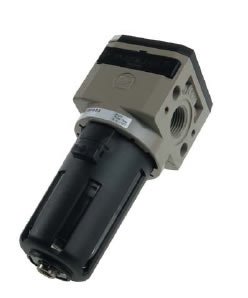
What Is a Pressure Regulator? A pressure regulator is a device that controls the pressure of a fluid in a pneumatic system. It ensures that pressure remains at desired levels, avoiding fluctuations that could cause damage to equipment. The regulator automatically adjusts the outlet pressure regardless of variations in inlet pressure. This is crucial for the safety and efficiency of the system, as inadequate pressure can result in operational failures or even accidents. Regulators are used in a variety of applications, from compressed air systems to complex industrial processes.
Types of Pressure Regulators There are several types of pressure regulators, each designed to meet specific needs. Diaphragm pressure regulators are common in industrial applications as they offer high precision. Spring pressure regulators are simpler and used in less demanding systems. Another type is the electronic pressure regulator, which allows more precise control and can be integrated into automated systems. Choosing the appropriate type depends on the application, the required pressure range and compatibility with the fluids used.
How to Choose the Ideal Pressure Regulator To select the ideal pressure regulator, it is important to consider some factors. First, determine the pressure range required for your application. Next, evaluate the type of fluid that will be regulated, as this may affect the choice of regulator material. Also, consider the maximum flow the system will require. Installation and maintenance are also aspects to be taken into account, as more complex regulators may require more care. Finally, consult the manufacturer's specifications to ensure the regulator meets all of your needs.
Practical Applications of Pressure Regulators Pressure regulators are used in various industries, such as automotive, pharmaceutical and food. In the automotive industry, they are essential for controlling pressure in compressed air systems used in painting and assembly. In the pharmaceutical industry, regulators ensure that manufacturing processes occur under controlled conditions, avoiding contamination. In the food industry, they are used to maintain pressure in vacuum packaging systems, ensuring product quality. These applications demonstrate the importance of pressure regulators in maintaining the efficiency and safety of industrial processes.
Types of Pressure Regulators – Exploration of the different types of pressure regulators available on the market.
Types of Pressure Regulators There are several types of pressure regulators available on the market, each designed to meet different needs and applications.
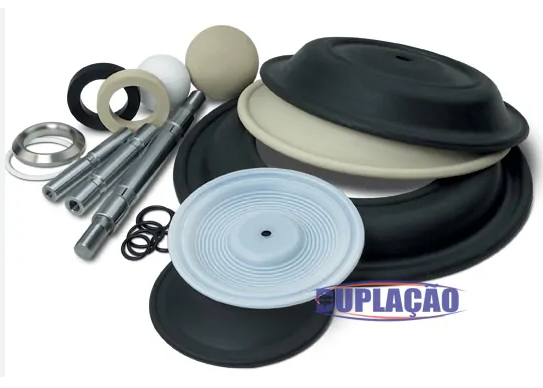
Diaphragm Regulators are the most common in industrial systems. They use a flexible diaphragm to adjust the output pressure, offering high precision and stability.
Spring Regulators They are simpler and work with a spring that adjusts to the inlet pressure. These regulators are ideal for less critical applications.
Electronic Regulators allow more precise pressure control and can be integrated into automated systems. They are often used in processes that require constant monitoring.
Low and High Pressure Pressure Regulators are also available, with low pressure ones being used in systems that do not require large variations, while high pressure ones are designed to withstand extreme conditions.
The choice of regulator type depends on the system specifications and the characteristics of the fluid to be regulated.
How to Choose the Ideal Pressure Regulator – Tips and considerations for selecting the right pressure regulator for your needs.
How to Choose the Ideal Pressure Regulator
Choosing the appropriate pressure regulator is essential to guarantee the efficiency and safety of your pneumatic system. First, it is important to determine the pressure range necessary for its application. This will help select a regulator that can operate within these limits.
Then consider the Type of fluid that will be regulated, as this may influence the regulator material. For example, corrosive fluids require regulators made from corrosion-resistant materials.
Another factor to be evaluated is the maximum flow that the system will require. Regulators with insufficient flow capacity can cause unwanted pressure drops.
In addition, the installation and maintenance of the regulator must be considered. More complex regulators may require more care and technical knowledge for installation.
Finally, consult the manufacturer specifications and, if possible, seek recommendations from professionals in the field to ensure that the regulator you choose meets all your needs.
Practical Applications of Pressure Regulators – Examples of how pressure regulators are used in various industries.
Practical Applications of Pressure Regulators
Pressure regulators play a crucial role in various industries, ensuring systems operate safely and efficiently.
Na automotive industry, pressure regulators are used in compressed air systems for painting and assembly, ensuring that air pressure remains constant during the process.
Na pharmaceutical, these devices are essential for controlling pressure in manufacturing processes, preventing contamination and ensuring product quality.
Em vacuum packaging systems, like those used in the food industry, pressure regulators maintain adequate pressure to preserve the freshness of food.
Also, in petrochemical industry, regulators are used to control pressure in refining processes, where precision is vital to safety and efficiency.
These applications demonstrate the versatility and importance of pressure regulators in maintaining the integrity and effectiveness of industrial systems.