Thermal reaction is a fundamental phenomenon in several areas of science and engineering, involving the exchange of heat between systems. This concept is crucial for understanding chemical, physical and even biological processes, where temperature plays a vital role. In this article, we will explore the different types of thermal reactions, their practical applications, and the importance of thermal control in industrial processes.
What is Thermal Reaction? Definition and basic concepts about thermal reactions, including heat transfer and its implications.
What is Thermal Reaction? Thermal reaction is a process that involves the exchange of heat between systems. This phenomenon occurs when a substance releases or absorbs heat during a chemical or physical transformation. Thermal reactions are fundamental to understanding how energy behaves under different conditions.
Heat transfer is a central concept, which refers to the movement of heat from one body to another. There are three main modes of heat transfer: conduction, convection and radiation. Conduction occurs when heat moves through a solid material, while convection involves the movement of fluids. Radiation, in turn, is the transfer of heat through electromagnetic waves.
Implications of Thermal Reactions include the need for precise control in industrial processes, as temperature can affect the speed of reactions and the quality of final products.
Types of Thermal Reactions can be classified into two main categories: exothermic and endothermic. Exothermic reactions release heat into the environment, resulting in an increase in the temperature of the system. A common example is the combustion of fuels. Endothermic reactions absorb heat, leading to a decrease in the temperature of the system. An example is the dissolution of salt in water.
Practical Applications of Thermal Reaction are wide and varied. In the chemical industry, thermal reactions are used in the production of chemical products such as fertilizers and plastics. In petrochemistry, they are essential for the transformation of oil into fuels and other products. In the food industry, thermal reactions are fundamental in cooking and preserving food.
Importance of Thermal Control is crucial in industrial processes. Inadequate temperature control can result in unwanted reactions, loss of efficiency and even safety risks. Thermal control systems are implemented to monitor and regulate temperature, ensuring that reactions occur under ideal conditions. This not only improves efficiency but also ensures the quality and safety of the final products.
Types of Thermal Reactions. Exploration of different types of thermal reactions, such as exothermic and endothermic, and their characteristics.
Types of Thermal Reactions can be classified into two main categories: exothermic e endothermic.
The reactions exothermic are those that release heat into the environment. This means that, during the process, energy is dissipated, resulting in an increase in the system temperature. A classic example of an exothermic reaction is combustion, such as that which occurs when a fuel, such as gasoline or wood, burns. This release of heat is used in various applications, such as car engines and space heating.
On the other hand, reactions endothermic absorb heat from the environment, leading to a decrease in the system temperature. A common example is the dissolution of salt in water, where the temperature of the solution decreases as the salt dissolves. These reactions are important in processes that require cooling or temperature control.
Features of thermal reactions include the variation in energy, which can be measured in joules or calories, and the need for specific conditions to occur, such as adequate temperature and pressure. Understanding these types of reactions is essential for optimizing industrial processes and ensuring energy efficiency in various applications.
Practical Applications of Thermal Reaction. Discussion on how thermal reactions are applied in industries such as chemicals, petrochemicals and food.
Practical Applications of Thermal Reaction are broad and essential in various industries.
Na chemical industry, thermal reactions are fundamental to the production of a variety of products, such as fertilizers, plastics and pharmaceuticals. For example, the synthesis of ammonia, a key component for fertilizers, involves exothermic reactions that release heat and are optimized to maximize production.
In petrochemicals, thermal reactions are used to transform crude oil into fuels and other chemicals. The cracking process, which breaks large molecules into smaller ones, is an endothermic reaction that requires precise thermal control to ensure efficiency and safety.
In the food industry, thermal reactions are crucial during cooking and food preservation. The heat applied during cooking not only changes the texture and flavor, but also eliminates microorganisms, increasing food safety. Furthermore, processes such as pasteurization use heat to destroy pathogens, ensuring the quality of products.
Understanding these practical applications allows industries to optimize their processes, reduce costs and improve the quality of final products.
Importance of Thermal Control. Analysis of the importance of thermal control in industrial processes and how it affects efficiency and safety.
Importance of Thermal Control in industrial processes is a crucial aspect to ensure the efficiency and safety of operations.
Thermal control refers to the ability to monitor and regulate temperature during chemical reactions and physical processes. Inadequate control can lead to unwanted reactions, resulting in low quality products or even accidents.
For example, in reactions exothermic, where heat is released, it is essential to dissipate this heat effectively to avoid overheating. This can cause equipment failure and risk of explosions.
In endothermic reactions, where heat is absorbed, maintaining a suitable temperature is vital to ensure the reaction takes place efficiently.
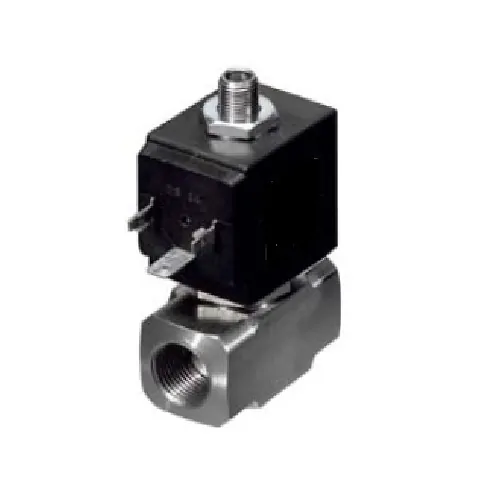
The use of automatic control systems, such as temperature sensors and regulating valves, is common to maintain ideal conditions.
Furthermore, thermal control directly impacts the energy efficiency of operations. Well-controlled processes consume less energy, resulting in reduced operating costs and less environmental impact.
Therefore, implementing thermal control practices not only improves safety, but also optimizes production and sustainability of industries.