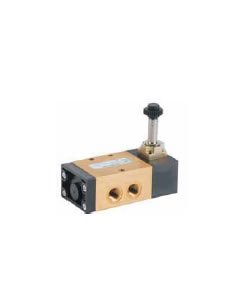
The valve frame is an essential component in pneumatic automation systems, allowing efficient control of air and fluid flow. With the growing demand for automated solutions, the use of valve panels becomes increasingly relevant, providing not only efficiency, but also safety and flexibility in industrial operations.
What is a Valve Board? – Definition and function of a valve panel in pneumatic systems.
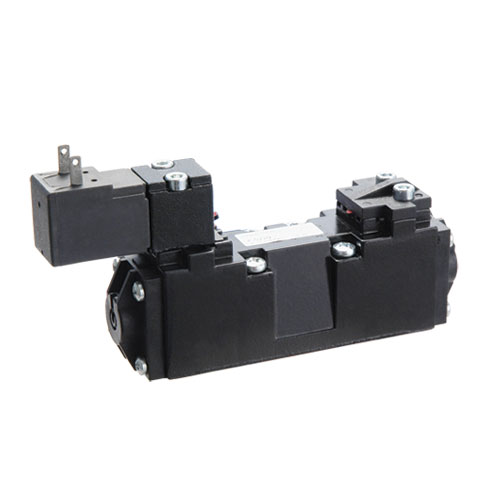
What is a Valve Board? A valve panel is a device that integrates several valves into a single panel, allowing centralized control of pneumatic systems. These valves are responsible for regulating the flow of compressed air or fluids in a system, ensuring that operations are carried out efficiently and safely.
Function: The main function of a valve panel is to facilitate the automation of industrial processes. It allows a single command to control multiple valves, optimizing space and simplifying installation. Additionally, the board can include additional components, such as pressure gauges and sensors, that help monitor and adjust the system in real time.
Advantages of Using Valve Frames include the flow control, which provides precise management of air and fluids, avoiding waste and improving operational efficiency. Another benefit is the space reduction, as a valve panel concentrates several functions in a single location, facilitating maintenance and operation. Furthermore, the use of valve frames contributes to the increased energy efficiency, as it allows for more rigorous control over compressed air consumption, resulting in energy savings and reduced operating costs.
Industrial Applications: Valve frames are widely used in various industries such as automation, where they are essential for the control of machines and processes. In manufacture, they help manage production lines, ensuring that equipment works in a coordinated manner. Node fluid transport, valve frames are used to regulate the flow of liquids and gases, ensuring the safety and efficiency of the system.
How to Choose the Ideal Valve Frame: To select the most suitable valve frame, it is important to consider the valve type required, which may vary between control, relief or check valves. Another criterion is the operating pressure, which must be compatible with the system specifications. Furthermore, the compatibility with existing systems It is crucial to ensure smooth and efficient integration, avoiding installation and operation problems.
Advantages of Using Valve Frames – Practical benefits, such as flow control, space reduction and increased energy efficiency.
Advantages of Using Valve Frames: Valve frames offer a number of practical benefits that are essential for the efficiency of pneumatic systems.
One of the main benefits and the flow control. With a valve panel, it is possible to precisely regulate the amount of air or fluid that passes through the system. This not only improves performance, but also avoids waste, resulting in resource savings.
In addition, the space reduction is a significant advantage. By concentrating several valves in a single panel, the valve panel minimizes the need for physical space, facilitating installation and maintenance. This is especially important in industrial environments where space is limited.
Another relevant aspect is the increased energy efficiency. With more rigorous control over the flow of compressed air, valve frames help to optimize energy consumption, reducing operating costs and contributing to more sustainable practices.
In summary, the use of valve frames not only improves the efficiency of pneumatic systems, but also provides more effective management of resources, resulting in safer and more economical operations.
Industrial Applications – Examples of sectors that use valve frames, such as automation, manufacturing and fluid transportation.
Industrial Applications: Valve frames are widely used in various industrial sectors, playing a crucial role in process automation and control.
Na automation, these frameworks allow efficient management of machines and equipment, facilitating system integration and increasing productivity. For example, on assembly lines, valve frames control air flow to actuators, ensuring that operations are carried out synchronously.
In the sector of manufacture, valve frames are essential for controlling production processes, such as dosing materials and controlling pressure in transport systems. They help optimize machine performance, reducing downtime and improving the quality of the final product.
Furthermore, in fluid transport, valve frames regulate the flow of liquids and gases, ensuring that operations are safe and efficient. This is especially important in chemical and petrochemical industries, where precision and safety are paramount.
In summary, the versatility of valve frames makes them indispensable in various industrial applications, contributing to process efficiency and safety.
How to Choose the Ideal Valve Panel – Criteria for selection, including valve type, operating pressure and compatibility with existing systems.
How to Choose the Ideal Valve Frame: Choosing the appropriate valve panel is essential to guarantee the efficiency and safety of the pneumatic system.
The first criterion to be considered is the valve type. There are different types, such as control, relief and check valves, each with specific functions. It is important to understand your system needs to select the correct type.
Another crucial aspect is the operating pressure. The valve panel must be capable of withstanding the maximum system pressure, ensuring that failures do not occur during operation.
In addition, the compatibility with existing systems must be evaluated. This includes checking whether the valve frame integrates well with other system components, such as actuators and sensors. Installation must be simple and not cause interruptions to ongoing operations.
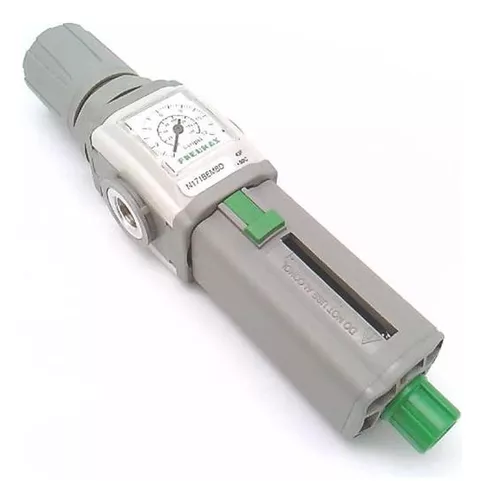
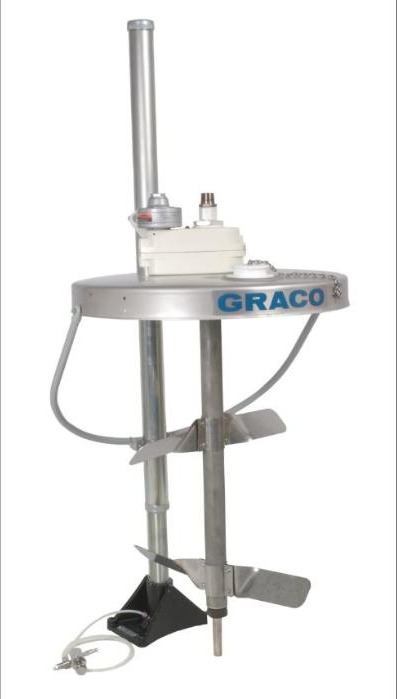
Finally, consider quality and reliability from the manufacturer. Choosing brands recognized in the market, such as Graco Inc. and Pneumax, can guarantee superior performance and greater durability of the equipment.
Following these criteria, it is possible to choose a valve frame that meets the specific needs of your pneumatic system.