Measuring points are fundamental in several industrial sectors. They allow monitoring and control of variables such as pressure, temperature and flow. The correct implementation of these points is crucial for operational efficiency and process safety.
What is a Measurement Point? Definition and function of measuring points in industrial systems.
A measuring point is a specific location in an industrial system where data on variables such as pressure, temperature, level and flow are collected. These points are essential for monitoring and controlling processes. The primary function of measurement points is to provide accurate, real-time information, allowing operators to make informed decisions. For example, in a chemical processing plant, measuring points ensure that operating conditions are within desired parameters, preventing failures and ensuring safety.
The importance of measuring points lies in its ability to increase efficiency and operational safety. With accurate data, companies can optimize processes, reduce waste and improve the quality of the final product. Furthermore, continuous monitoring helps to identify problems before they become critical, minimizing the risk of accidents and unscheduled downtime. In industries such as petrochemicals, the accuracy of measuring points is vital to prevent leaks and ensure the integrity of operations.
There are different types of measuring points used in industrial systems. You gauge are used to measure the pressure of gases and liquids, while thermometers monitor the temperature. Other examples include level meters, which evaluate the height of liquids in tanks, and flowmeters, which measure the flow of fluids. Each type of measuring point is designed to meet specific needs, ensuring measurements are accurate and reliable.
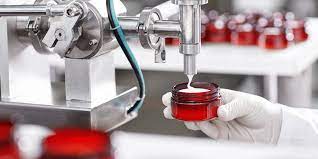
Measuring points have practical applications in various industries. In the food industry, for example, they are used to monitor the temperature during the processing and storage of products, ensuring food safety. In the pharmaceutical industry, measuring points are crucial for controlling the production and storage conditions of medicines. Furthermore, in power plants, accurate measurement of pressure and temperature is critical to the safe and efficient operation of equipment.
Importance of Measurement Points. How measurement points contribute to operational efficiency and safety.
The importance of measuring points is crucial in industrial systems as they ensure operations are carried out efficiently and safely.
These points are responsible for providing real-time data on critical variables, such as pressure, temperature and flow.
With accurate information, operators can monitor equipment performance and identify anomalies quickly.
This not only improves operational efficiency, but also reduces the risk of failures and accidents.
For example, in a production plant, constantly measuring pressure in a chemical reactor can prevent explosions and leaks.
Furthermore, the analysis of collected data allows adjustments to processes, resulting in more economical and sustainable production.
Therefore, the implementation of adequate measurement points is essential to guarantee the integrity of processes and the safety of employees.
Types of Measurement Points. Exploration of different types of measuring points, such as manometers and thermometers.
Types of measuring points are varied and each plays a specific role in industrial systems. One of the most common is the gauge, which measures the pressure of gases and liquids. It is essential to ensure that systems operate within safe limits.
Another important type is the thermometer, which monitors process temperatures, helping to avoid overheating and ensuring product quality.
In addition, there are level meters, which evaluate the height of liquids in tanks, and flowmeters, which measure the flow of fluids in pipes.
Each of these instruments is designed to provide accurate and reliable measurements essential for the control and optimization of industrial processes. Choosing the appropriate measuring point type depends on the specific needs of the application and the characteristics of the fluid to be measured.
Practical Applications. Examples of measuring point applications in specific industries.
Practical applications of measuring points are vast and essential in various industries.
Na food industry, measuring points are used to monitor temperature during product processing and storage, ensuring food safety and quality.
For example, in a dairy production line, the temperature must be strictly controlled to prevent the proliferation of bacteria.
Na petrochemical industry, pressure gauges and thermometers are critical for monitoring pressure and temperature in reactors, preventing accidents and optimizing production.
Em power plants, the measuring points are used to control the pressure and temperature of the steam, ensuring the efficiency of the turbines.
Also, in pharmaceutical, precision in measurements is vital to guarantee the effectiveness of medicines, where even small variations can compromise the safety of the product.
These applications demonstrate how measurement points are fundamental to the safe and efficient operation of industrial processes.