The efficiency standard is a fundamental concept in industrial automation, especially in pneumatic systems. It refers to the ability of a system to operate optimally, minimizing waste and maximizing productivity. In this article, we will explore the characteristics that define a high efficiency standard and how this can positively impact your company's operations.
What is the Efficiency Standard? – Definition and importance of the efficiency standard in pneumatic systems.
What is the Efficiency Standard? The efficiency standard refers to a set of criteria that determine the ideal performance of pneumatic systems. These criteria are fundamental to ensuring that equipment operates effectively, minimizing waste of energy and resources.
The importance of the efficiency standard is directly related to the optimization of industrial processes. Systems that follow these standards tend to have greater reliability and durability, resulting in fewer unscheduled stops and maintenance. Furthermore, energy efficiency is a crucial aspect, as efficient systems consume less energy, reducing operating costs.
Implement efficiency standards it also contributes to sustainability, as it reduces the carbon footprint of industrial operations. Therefore, understanding and applying these standards is essential for any company looking to improve its competitiveness in the market.
Benefits of Implementing Efficiency Standards – How adopting efficiency standards can reduce costs and increase productivity.
Benefits of Implementing Efficiency Standards include a series of advantages that can transform the operation of pneumatic systems.
Firstly, the adoption of these standards can reduce operating costs. This is because efficient systems consume less energy and resources, resulting in lower energy bills and reduced maintenance needs.
In addition, the productivity is significantly increased, as equipment that operates within efficiency standards has fewer stops and failures. This means that production lines can run continuously, increasing total production.
Another important benefit is the IMPROVEMENT IN PRODUCT QUALITY. Efficient systems tend to produce more consistent results, which is crucial to maintaining customer satisfaction.
Finally, the implementation of efficiency standards also contributes to sustainability, as it reduces waste and pollutant emissions, aligning the company with responsible environmental practices.
Examples of Efficiency Standards in Industry – Case studies that demonstrate the application of efficiency standards in pneumatic systems.
Examples of Industry Efficiency Standards can be observed in various applications of pneumatic systems. A notable case is that of the automotive industry, where the implementation of efficiency standards has resulted in a significant reduction in waste during the assembly process.
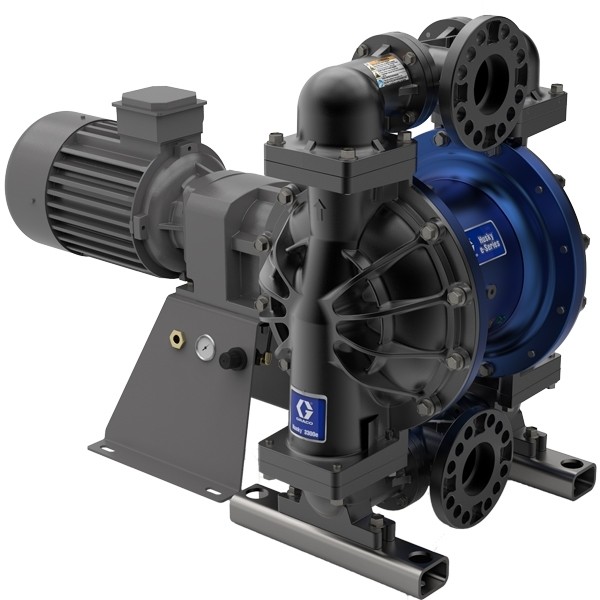
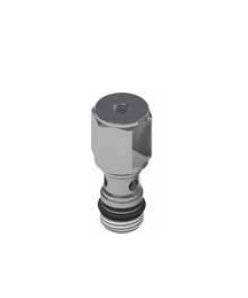
For example, an automaker that adopted efficient flow control valves was able to optimize the use of compressed air, reducing consumption by up to 30%. Another example is found in the food and beverage industry, where the use of highly energy-efficient pneumatic pumps allowed a factory to increase its production without increasing operating costs.
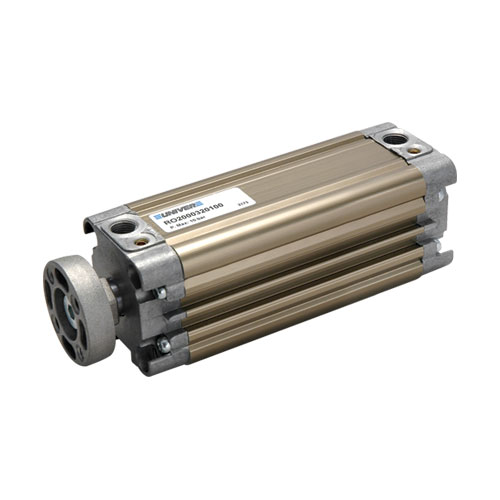
Furthermore, packaging companies have used pneumatic actuators that follow efficiency standards, resulting in greater accuracy and speed on production lines. These examples demonstrate how the application of efficiency standards not only improves system performance, but also contributes to the sustainability and competitiveness of companies in the market.
How to Measure Efficiency in Pneumatic Systems – Methods and tools for evaluating the efficiency of pneumatic systems and ensuring compliance with standards.
How to Measure Efficiency in Pneumatic Systems It is a crucial aspect to ensure that equipment operates within established standards.
There are several methods and tools that can be used for this assessment.
One of the most common methods is the compressed air consumption analysis. This involves monitoring the amount of air used in relation to the production carried out.
Tools like flow meters e Pressure Sensors are essential for collecting accurate data.
In addition, the predictive maintenance can be applied, using historical data to predict failures and optimize performance.
Another method is the energy efficiency assessment, which analyzes energy consumption in relation to production.
Maintenance management software can also help monitor efficiency, allowing companies to identify areas for improvement.
By implementing these tools and methods, industries can ensure compliance with efficiency standards and, consequently, improve their productivity and reduce costs.