Automation objects play a crucial role in the modernization of industries, enabling the automation of repetitive tasks and system integration. In this article, we will explore the main types of automation objects, their practical applications and the benefits they offer to companies in different sectors.
What are Automation Objects? – Definition and examples of automation objects used in industry.
What are Automation Objects? Automation objects are devices or systems that allow the automation of industrial processes. They are designed to perform specific tasks efficiently and accurately, minimizing human intervention. Common examples include sensors, which detect changes in environmental conditions, actuators, which perform movements or actions, and controllers, which manage and coordinate the operations of other devices. These objects are essential for creating automated systems that improve productivity and product quality.
Main Types of Automation Objects There are several types of automation objects used in industry. You sensors are responsible for collecting data about the environment, such as temperature, pressure and presence. You actuators convert control signals into physical movement, allowing machines to perform tasks such as opening valves or moving parts. Already the controllers, such as PLCs (Programmable Logic Controllers), process the information received from the sensors and send commands to the actuators, ensuring that the system works in an integrated and efficient manner.
Benefits of Industrial Automation Industrial automation brings several significant benefits. Firstly, it increases the efficiency processes, allowing machines to operate continuously and with greater precision. This results in faster production and less waste. Additionally, automation helps reduce errors humans, since machines follow rigorously programmed instructions. Another important point is the security; By automating dangerous tasks, companies can protect their employees and minimize the risk of accidents.
Implementation of Automation Objects The implementation of automation objects must be done in a planned manner. First, it is necessary to carry out a needs analysis to identify which processes can be automated. Next, you must choose the appropriate automation objects, considering factors such as compatibility and cost. After selection, it is important to carry out tests to ensure that the system works correctly. THE training of the team is also essential, as it ensures that everyone knows how to operate and maintain the new automation systems. Finally, the regular maintenance of equipment is essential to guarantee the continuity and efficiency of the automated system.
Main Types of Automation Objects – An overview of the different types of automation objects, such as sensors, actuators, and controllers.
Main Types of Automation Objects
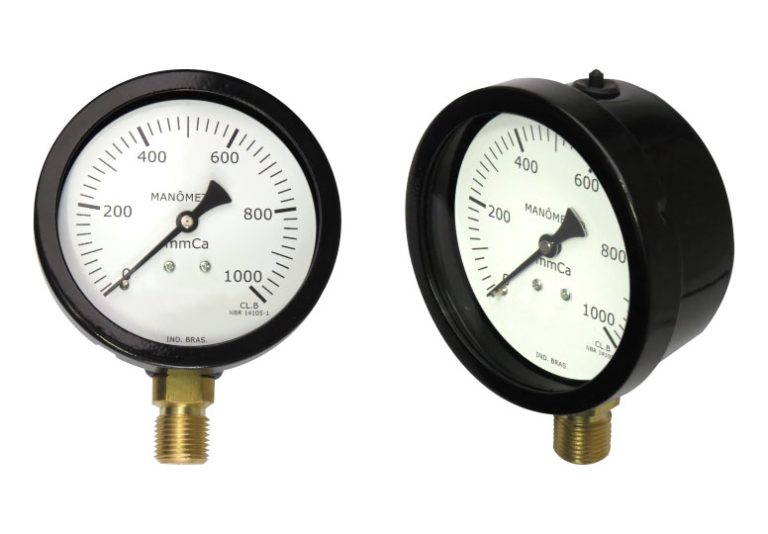
Automation objects are fundamental to the efficiency of industrial processes. Among the main types, the following stand out: sensors, which are devices that detect and measure variables such as temperature, pressure, humidity and presence. They send real-time information to control systems, allowing immediate adjustments to operations.
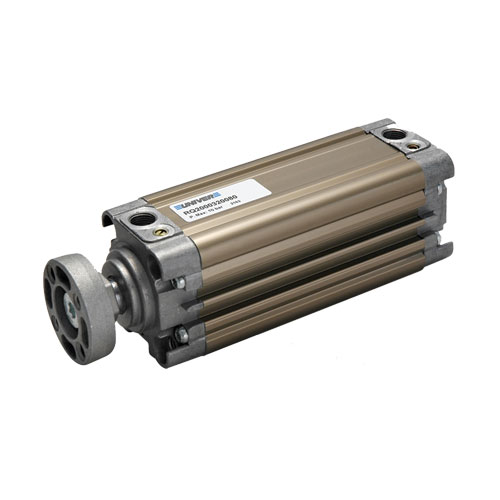
Os actuators are another crucial type of automation object. They receive commands from controllers and perform physical actions, such as opening or closing valves, moving robotic arms or adjusting the position of components. Actuators can be electric, pneumatic or hydraulic, depending on the application and the needs of the system.
Os controllers, such as Programmable Logic Controllers (PLCs), are responsible for processing information received from sensors and sending commands to actuators. They allow the programming of operation sequences and are essential for the automation of complex processes. Furthermore, the controllers can be integrated into supervisory systems, providing an overview of the industrial plant's performance.
Other automation objects include communication modules, which guarantee the exchange of data between different devices, and control panels, which allow the operator to interact with the automated system. The combination of these objects results in a robust automation system, capable of improving productivity and product quality.
Benefits of Industrial Automation – How automation can increase efficiency, reduce errors and improve safety in the workplace.
Benefits of Industrial Automation
Industrial automation offers a series of benefits that directly impact the efficiency and safety of production processes. One of the main benefits is the increase in efficiency. With automation, machines can operate continuously without pauses, resulting in faster, higher-volume production. This is especially important in industries that need to meet high demands.
Another significant benefit is the error reduction. When tasks are performed by machines, the likelihood of human errors decreases considerably. Automated systems follow precisely programmed instructions, which ensures products are manufactured according to specifications. This not only improves quality but also reduces material waste.
Automation also contributes to security in the work environment. Many industrial tasks can be dangerous for workers, such as handling chemicals or operating in high-temperature environments. By automating these tasks, companies can protect their employees and minimize the risk of accidents. Furthermore, automation allows you to continuously monitor working conditions, ensuring that safety standards are maintained.
Ultimately, automation can lead to a cost reduction operational in the long term. While the initial implementation of automated systems may require a significant investment, the gains in efficiency and decreased errors result in substantial savings over time. This makes automation an attractive strategy for companies looking to improve their competitiveness in the market.
Implementation of Automation Objects – Steps and considerations for the effective implementation of automation objects in industrial processes.
Implementation of Automation Objects The implementation of automation objects in industrial processes requires careful planning and a systematic approach. The first step is to carry out a needs analysis. This involves identifying which processes can be automated and what the objectives of automation are, such as increasing efficiency, reducing costs or improving quality.
After analysis, it is important select automation objects appropriate. This includes choosing sensors, actuators, and controllers that meet design specifications. Compatibility between devices is crucial as it ensures that all components work in harmony.
Next, you must develop a integration plan. This involves defining how new systems will connect to existing ones. Integration can include configuring communication networks and programming controllers to ensure data is exchanged effectively.
A installation of automation objects must be carried out by qualified professionals. This ensures that all devices are installed correctly and that configurations are in accordance with the manufacturer's specifications. After installation, it is essential to carry out functionality tests to verify that everything is operating as expected.
O Team training is also a fundamental aspect. Operators and technicians must be trained to use and maintain new automation systems. This includes understanding how devices work, how to troubleshoot problems, and how to perform preventive maintenance.
Finally, the continuous maintenance It is vital to ensure the effectiveness of automation systems. This involves carrying out regular inspections, software updates and replacing worn components. A good maintenance strategy helps to extend the useful life of equipment and avoid unexpected production stops.