The level of automation is a fundamental concept in modern industry, which refers to the degree to which processes and operations are automated. With the growing demand for efficiency and cost reduction, understanding the different levels of automation is essential for companies looking to optimize their operations. In this article, we will explore automation level classifications, their advantages, and the technologies that support them.
What is Automation Level? – Definition and basic concepts about the level of automation in the industry.
What is Automation Level? The level of automation refers to the degree to which an industrial process is controlled by automatic systems rather than relying on human intervention.
Definition and basic concepts involve understanding that automation can range from simple manual tasks to complex systems that operate without supervision. In an industrial environment, this means machines and equipment can be programmed to perform specific functions, increasing efficiency and accuracy.
Automation Level Ratings include three main categories: manual, where operators control all aspects of the process; semiautomatic, where some functions are automated but still require human supervision; and fully automated, where systems operate independently, with minimal or no human intervention.
Advantages of Automation are significant. Automation can lead to a cost reduction operational, as it reduces the need for labor and reduces human errors. Furthermore, automation improves efficiency, allowing machines to operate at high speed and with constant precision.
Automation Technologies include a variety of devices and systems, such as sensors, which detect specific conditions; actuators, who perform physical movements; and control systems, which manage and monitor the functioning of machines and processes. These technologies work together to create a more efficient and reliable production environment.
Automation Level Classifications – Exploration of the different automation level classifications, from manual to fully automated.
Automation Level Ratings are fundamental to understanding how industrial processes can be optimized.
There are three main categories that help classify the level of automation: manual, semiautomatic e fully automated.
At the level manual, all operations are performed by human operators. This means that every task, from controlling machines to supervising processes, depends on the skill and attention of workers. While this level may be more flexible, it is also more susceptible to errors and inefficiencies.
The level semiautomatic combines human intervention with automation. Here, some tasks are performed by machines, but operators still need to monitor and adjust the processes. This model is common in industries that seek a balance between human control and efficiency.
Finally, the level fully automated is where systems operate independently. Machines and software are programmed to perform tasks without the need for constant supervision. This results in greater efficiency, consistency and reduced operating costs.
Each of these classifications has its own advantages and disadvantages, and choosing the appropriate level depends on the specific needs of each industrial operation.
Advantages of Automation – Analysis of the benefits that automation brings to industrial operations, including efficiency and cost reduction.
Advantages of Automation are widely recognized in modern industry. Automation brings a series of benefits that directly impact the efficiency and productivity of operations.
One of the main benefits is the cost reduction. By automating processes, companies can reduce the need for labor, which results in less spending on salaries and benefits.
Additionally, automation reduces human errors, which can be costly and lead to rework. Another important aspect is the operational efficiency. Automated systems can operate continuously without pauses, increasing production and allowing companies to meet demand more effectively.
Automation also improves Product Quality, pois as máquinas realizam tarefas com precisão constante, minimizando variações que podem ocorrer em processos manuais.
Além disso, a automação facilita a real-time monitoring dos processos, permitindo ajustes imediatos e melhor controle da produção. Isso resulta em uma operação mais ágil e responsiva às necessidades do mercado.
Por fim, a automação pode contribuir para a sustainability, pois sistemas eficientes consomem menos energia e recursos, alinhando-se com as práticas de produção sustentável.
Tecnologias de Automação – Descrição das principais tecnologias utilizadas para alcançar diferentes níveis de automação, como sensores, atuadores e sistemas de controle.
Automation Technologies são essenciais para alcançar diferentes níveis de automação nas indústrias.
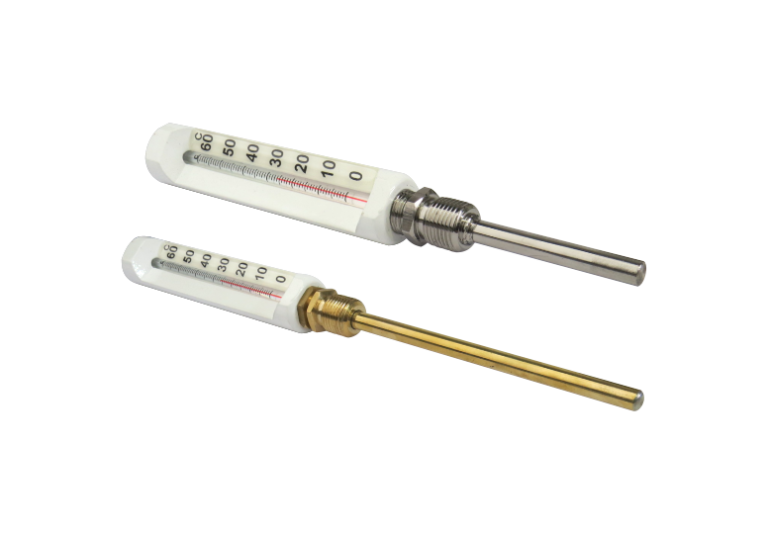
Entre as principais tecnologias, destacam-se os sensors, que são dispositivos que detectam mudanças em condições físicas, como temperatura, pressão e umidade. Esses sensores coletam dados em tempo real, permitindo que os sistemas automatizados reajam a variações no ambiente de produção.
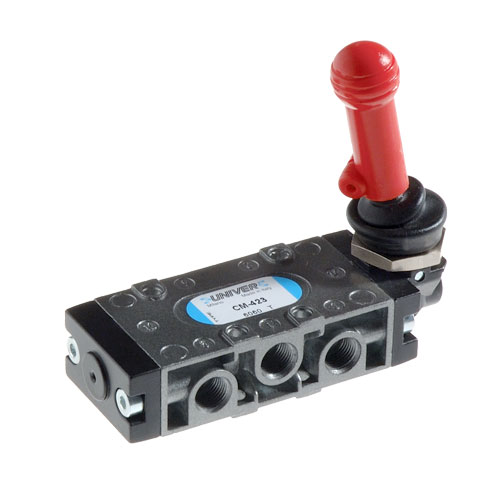
Another crucial component is the actuators, que são responsáveis por executar ações físicas, como abrir ou fechar válvulas, mover braços robóticos ou ajustar a posição de equipamentos. Os atuadores podem ser elétricos, pneumáticos ou hidráulicos, dependendo da aplicação e da necessidade do sistema.
In addition, the control systems play a vital role in automation. They are responsible for processing information received from sensors and sending commands to actuators. These systems can range from programmable logic controllers (PLCs) to distributed control systems (DCS), depending on the complexity of the operation.
The integration of these technologies allows industries to operate more efficiently, reducing errors and increasing productivity. With the evolution of technology, new solutions, such as the Internet of Things (IoT), are also being incorporated, allowing even more efficient communication between devices and systems.