Safety mechanisms are essential in pneumatic systems, providing protection against failures and ensuring the integrity of the equipment. In this article, we will address the importance of these mechanisms, their practical applications and how to choose the best one for your needs.
What is a Security Mechanism? – Definition and function of safety mechanisms in pneumatic systems.
One security mechanism is an essential component in pneumatic systems, designed to protect both equipment and operators. Its main function is to prevent failures and accidents that may occur due to excessive pressures, leaks or mechanical failures. These mechanisms act as a line of defense, ensuring that the system operates within safe parameters.
There are different types of safety mechanisms, such as pressure relief valves, which release excessive pressure automatically, and blocking devices, which prevent the system from operating in unsafe conditions. The implementation of these mechanisms is crucial for the operational safety and longevity of the equipment.
Furthermore, safety mechanisms are essential to comply with industrial safety standards and regulations. They not only protect workers, but also minimize the risk of damage to the environment and the company's assets. Choosing the right security mechanism can make the difference between an efficient system and one that poses significant risks.
Importance of Safety Mechanisms – How safety mechanisms prevent accidents and increase operational efficiency.
A importance of security mechanisms in pneumatic systems cannot be underestimated. These devices are designed to protect both operators and equipment, preventing accidents that could result in serious injury or property damage. When a pneumatic system operates under pressure, any failure can lead to disastrous consequences. Security mechanisms act as a safety net, ensuring that the system operates within safe limits.
In addition to preventing accidents, safety mechanisms also increase operational efficiency. When a system is protected against failure, it can operate more reliably and continuously. This means fewer unscheduled stops and, consequently, greater productivity. For example, pressure relief valves ensure that pressure does not exceed critical levels, allowing the system to function optimally.
Another important point is that the presence of security mechanisms can reduce costs in the long term. By preventing accidents and equipment damage, companies save on repairs and replacements. Furthermore, compliance with safety standards can avoid fines and sanctions, contributing to a safer and more efficient work environment.
Types of Security Mechanisms – Exploration of the different types of security mechanisms available on the market.
There are several types of security mechanisms available on the market, each designed to meet specific needs in pneumatic systems. Choosing the appropriate type is essential to guarantee the safety and efficiency of the system.
One of the most common types is the pressure relief valve. This device is essential for releasing excess pressure that can build up in a system. When the pressure reaches a critical level, the valve opens automatically, preventing damage to the equipment and ensuring operator safety.
Another important type is the locking device, which prevents the system from operating in unsafe conditions. These devices are often used in situations where maintenance is required, ensuring that the system is not accidentally activated during repair work.
As safety valves also play a crucial role. They are designed to open in the event of overpressure, allowing air or fluid to escape in a controlled manner. This not only protects the system, but also helps maintain operation within safe parameters.
In addition, there are monitoring systems which use sensors to detect abnormal conditions, such as leaks or excessive pressures. These systems can alert operators in real time, enabling rapid response to potential problems.
Finally, it is important to consider the regular maintenance of these mechanisms. The effectiveness of any safety device depends on its proper maintenance. Periodic inspections and functional tests are essential to ensure that safety mechanisms are always ready to act when necessary.
How to Choose the Ideal Security Mechanism – Tips and considerations for selecting the right security mechanism for your applications.
Choose the optimal security mechanism for pneumatic systems it is a task that requires attention to several factors. Correct selection can ensure not only the safety but also the efficiency of the system. Here are some important tips and considerations.
Firstly, it is essential to understand the system specifications where the mechanism will be installed. This includes operating pressure, type of fluid used and environmental conditions. Each safety mechanism has operating limits that must be respected to ensure its proper functioning.
Another point to consider is the type of risk that the system can face. For example, if the system is subject to pressure spikes, a pressure relief valve may be the best choice. In systems where frequent maintenance is required, a locking device may be more appropriate.
A FACILITY OF INSTALLATION AND MAINTENANCE must also be taken into account. Mechanisms that require complex installation or frequent maintenance can increase operating costs. Therefore, choose devices that are easy to install and require fewer interventions over time.
Additionally, check the compliance with safety standards. It is essential that the chosen security mechanism meets local and international regulations. This not only ensures safety, but also avoids legal problems and fines.
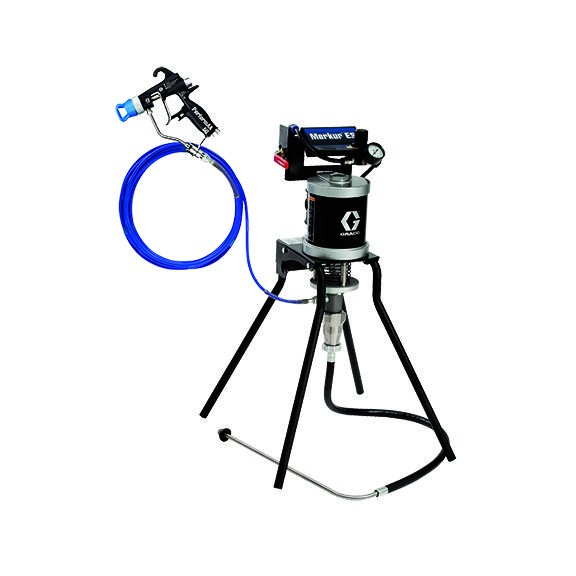
Finally, consider manufacturer's reputation. Choosing brands recognized in the market, such as Graco Inc. and Pneumax, can guarantee the quality and reliability of the safety mechanism. Products from reputable manufacturers often come with warranties and technical support, which can be an important differentiator.