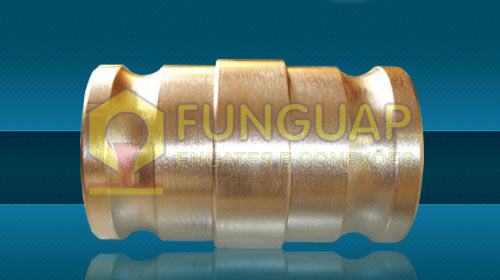
Manifolds are essential components in pneumatic automation systems, allowing the efficient distribution of compressed air to various actuators and valves. In this article, we will explore the concept of a manifold, its practical applications and the importance of choosing it in optimizing industrial processes.
What is a Manifold?
One manifold is a device used in pneumatic systems to distribute compressed air efficiently. It acts as a central point where air is directed to different valves and actuators, allowing simultaneous control of multiple components in a system.
Manifolds are designed to optimize space and reduce piping complexity, which facilitates system installation and maintenance. They can be found in different configurations, depending on the specific needs of the application.
Additionally, manifolds can include features such as control valves, sensors, and pressure indicators, which help monitor and regulate air flow. This ensures that the system operates efficiently and safely, minimizing the risk of failures and increasing productivity.
In summary, the manifold is a fundamental part in pneumatic automation, as it allows more effective management of compressed air, contributing to the efficiency and reliability of industrial processes.
Types of Manifolds
There are several types of manifolds used in pneumatic systems, each designed to meet specific needs. Below are the main types:
- Valve Manifold: This type is used to connect multiple valves at a single point. It allows centralized control of multiple valves, facilitating installation and maintenance.
- Distribution Manifold: This manifold is designed to distribute compressed air to different actuators. It is essential in systems that require the simultaneous operation of several pneumatic devices.
- Manifold de Controle: Equipped with control valves and sensors, this type allows you to monitor and regulate the air flow. It is ideal for applications that require precision and tight control.
- Manifold Modular: This type is made up of interchangeable modules, allowing the system to be easily expanded or modified as needs change. It is a flexible solution for evolving systems.
Each type of manifold has specific characteristics that make it more suitable for certain applications. Choosing the correct type is essential to guarantee the efficiency and reliability of the pneumatic system.
Advantages of Using Manifolds
Or use of manifolds in pneumatic systems offers several advantages which can significantly improve the efficiency and reliability of industrial operations. Below are some of the main advantages:
- Space Reduction: Manifolds allow you to group multiple connections at a single point, which saves space and simplifies installation. This is especially important in industrial environments where space is limited.
- Ease of maintenance: With a manifold, maintenance becomes simpler, as the connections are centralized. This makes it easier to identify problems and carry out repairs, reducing downtime.
- Centralized Control: Manifolds enable centralized control of multiple valves and actuators, allowing for more coordinated and efficient operation of the pneumatic system.
- Safety improvement: By reducing the number of exposed connections and piping, manifolds help minimize the risk of leaks and failures, increasing the safety of the work environment.
- Flexibility: Many manifolds are designed to be modular, allowing them to be easily adapted or expanded as system needs change.
These advantages make manifolds a smart choice for companies looking to optimize their pneumatic systems and increase operational efficiency.
How to Choose the Ideal Manifold
Choose the manifold ideal for a pneumatic system is a task that requires attention to several factors. Here are some guidelines to help with selection:
- Identify the Application: Before choosing a manifold, it is important to understand the specific application. Consider the type of valves and actuators that will be used, as well as flow and pressure needs.
- Consider Available Space: Evaluate the space where the manifold will be installed. Compact manifolds are ideal for restricted areas, while larger models can be used in environments with more space.
- Check Compatibility: Make sure the manifold you choose is compatible with your system components, such as valves and piping. Compatibility is crucial to ensure efficient operation.
- Analyze the Technical Characteristics: Pay attention to technical specifications such as maximum pressure, operating temperature and construction materials. These factors influence the durability and efficiency of the manifold.
- Consider Ease of Maintenance: Choose a manifold that allows easy access for maintenance and repairs. Manifolds with a modular design can facilitate component replacement without the need to disassemble the entire system.
By following these guidelines, you can select a manifold that meets the specific needs of your pneumatic system, ensuring efficiency and reliability in operations.