Lubrication is an essential process in the maintenance of machines and equipment, ensuring smooth and efficient operation. In this article, we will cover the main types of lubricants, their applications and the importance of regular lubrication to avoid wear and mechanical failures.
1. What is lubrication?
A lubrication is the process of applying a lubricant on contact surfaces of machines and equipment. The main objective is to reduce friction between moving parts, preventing wear and extending the useful life of the components. When parts move, friction generates heat, which can lead to mechanical failures. Therefore, lubrication is crucial for the efficient functioning of any mechanical system.
There are different types of lubricants, such as oils, greases and fluids, each with specific properties that meet different needs. Choosing the appropriate lubricant depends on factors such as operating temperature, part speed and environmental conditions.
In addition to reducing friction, lubrication also helps protect against corrosion and a remove impurities that can accumulate on surfaces. In summary, lubrication is an essential practice to ensure the efficiency and durability of industrial equipment.
2. Types of lubricants and their applications
There are several types of lubricants, each with specific characteristics that meet different industrial needs. The main types include:
- Lubricating Oils: These are liquids that offer excellent penetration and cooling capacity. They are used in engines, transmissions and hydraulic systems. Oil viscosity is a crucial factor as it determines fluidity and lubricating capacity at different temperatures.
- Greases: They are semi-solid lubricants that combine oil with a thickener. They are ideal for applications where the lubricant needs to remain in a specific location, such as in bearings and gears. Grease also offers protection against moisture and contaminants.
- Cutting Fluids: Used in machining processes, these lubricants help cool and lubricate the tool and workpiece. They reduce friction and improve the quality of the surface finish.
- Solid Lubricants: Like graphite and molybdenum disulfide, they are used in extreme conditions of temperature and pressure. They are effective in environments where liquid lubricants cannot be used.
Choosing the appropriate lubricant depends on factors such as operating temperature, a parts speed e and environmental conditions. It is essential to follow the manufacturer's recommendations to ensure optimal equipment performance.
3. Benefits of regular lubrication
A regular lubrication It brings several benefits that are essential for the maintenance of machines and equipment. Among the main benefits, the following stand out:
- Friction Reduction: Adequate lubrication reduces friction between moving parts, which results in less wear and extends the useful life of components.
- Failure Prevention: Well-lubricated equipment is less likely to experience mechanical failures. This reduces downtime and unexpected repair costs.
- Improvement in Energy Efficiency: With less friction, machines operate more efficiently, consuming less energy. This can lead to a significant reduction in operating costs.
- Corrosion Protection: Many lubricants contain additives that help protect metal surfaces against corrosion, increasing the durability of equipment.
- Impurity Removal: Regular lubrication helps remove dirt and particles that can accumulate on surfaces, keeping the system clean and functioning properly.
These benefits demonstrate the importance of establishing a regular lubrication schedule, ensuring that all equipment operates in optimal conditions and maximizing its efficiency and durability.
4. Tips for effective lubrication
To guarantee a effective lubrication, it is important to follow some tips that can optimize the performance of the equipment. Here are some recommendations:
- Lubricant Choice: Select the appropriate lubricant for each application. Consider viscosity, operating temperature and manufacturer specifications.
- Lubrication Frequency: Establish a lubrication schedule based on manufacturer recommendations and operating conditions. Equipment that operates in harsh environments may need more frequent lubrication.
- Level Check: Regularly monitor lubricant levels. Low levels can compromise equipment protection and efficiency.
- Surface Cleaning: Before applying lubricant, clean surfaces to remove dirt and contaminants. This helps prevent unwanted particles from mixing with the lubricant.
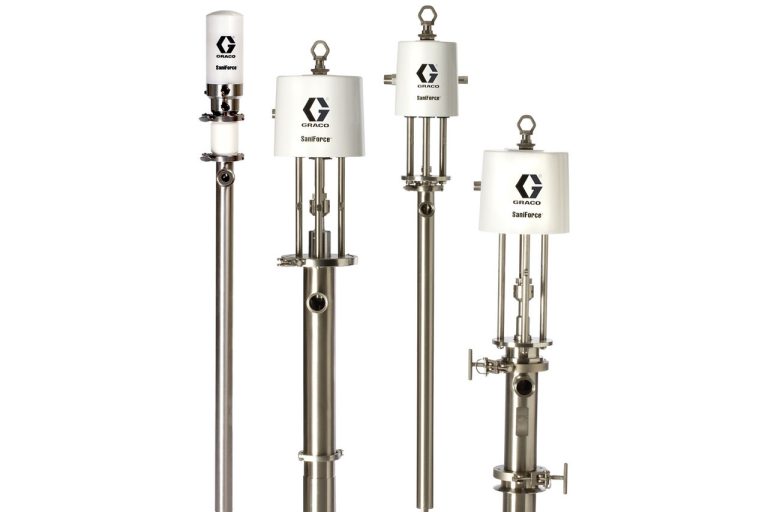
- Use of Suitable Equipment: Use appropriate lubricating tools and devices, such as grease guns and pumps, to ensure accurate and efficient application.
- Team Training: Train employees responsible for lubrication. A good understanding of the processes and the importance of lubrication can make a difference in equipment maintenance.
Following these tips can increase equipment efficiency and reduce maintenance and repair costs, ensuring smooth operation and extending the life of components.