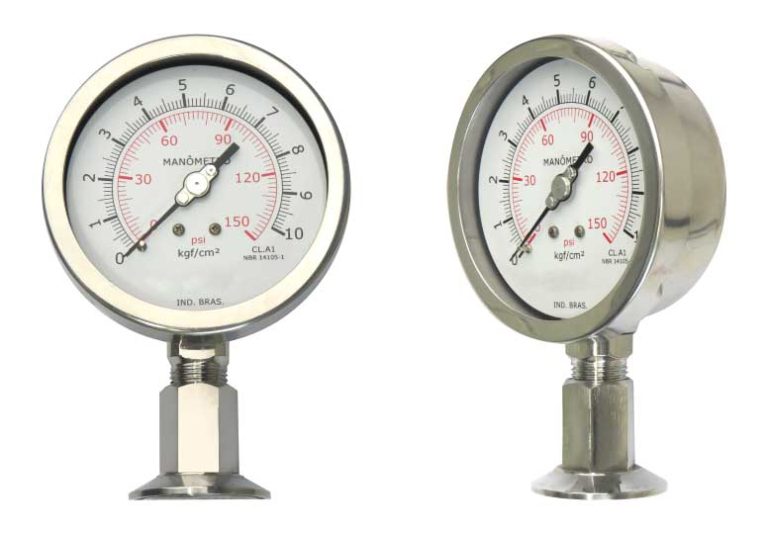
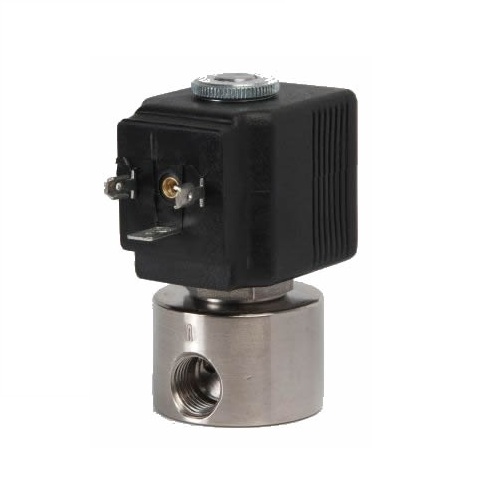
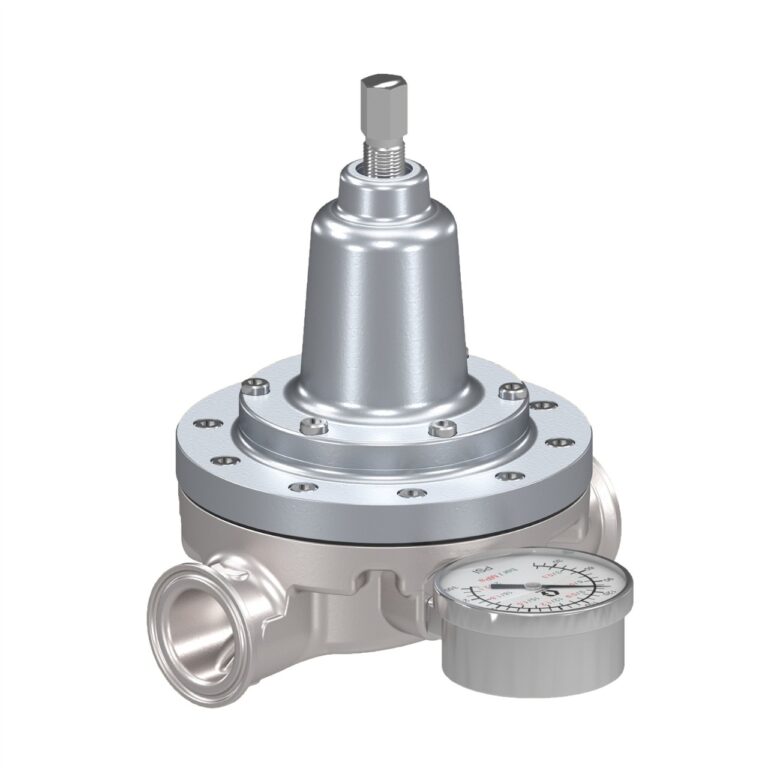
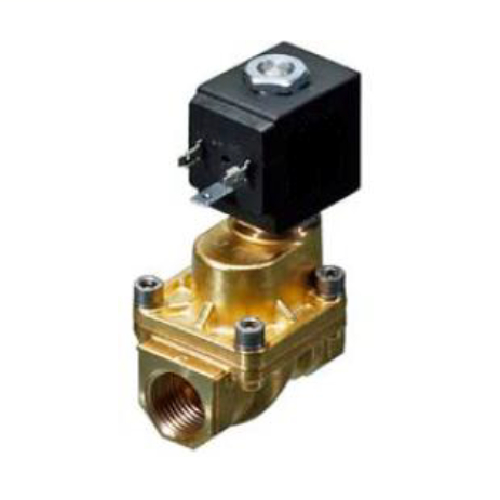
A limpeza de sistema é um processo essencial para a manutenção e eficiência de equipamentos pneumáticos e hidráulicos. Com o tempo, sujeira e resíduos podem se acumular, comprometendo o desempenho e a vida útil dos sistemas. Neste artigo, abordaremos a importância da limpeza de sistemas, os métodos mais eficazes e dicas práticas para garantir que seus equipamentos operem em condições ideais.
O que é Limpeza de Sistema? – Definição e importância da limpeza de sistemas em equipamentos industriais.
A limpeza de sistema refers to the process of removing dirt, residue and contaminants from industrial equipment, especially those that operate with fluids, such as pneumatic and hydraulic systems.
This practice is crucial to ensuring systems function efficiently and safely.
Over time, unwanted particles can build up inside components such as valves, pumps and pipes. This accumulation can lead to operational failures, reduced efficiency and even permanent damage to equipment.
Therefore, regular cleaning is an essential part of preventative maintenance.
In addition to improving equipment performance, system cleaning also helps to avoid unscheduled downtime, which can result in significant financial losses.
Proper maintenance, including cleaning, is essential to extend the life of systems and ensure the continuity of industrial operations.
Therefore, understanding what system cleaning is and its importance is the first step to implementing effective maintenance practices in your company.
Benefits of Regular Cleaning – How regular cleaning can increase efficiency and extend the life of equipment.
A regular cleaning of industrial systems brings a series of benefits that directly impact the efficiency and durability of equipment.
First, removing dirt and contaminants helps maintain adequate fluid flow, preventing obstructions that can cause operational failures.
Furthermore, regular cleaning reduces wear on components such as Valves e bombs. With less accumulated waste, these components operate in optimal conditions, which reduces the need for frequent repairs and costly replacements.
Another important benefit is the Energy Economy. Equipamentos limpos tendem a funcionar de maneira mais eficiente, consumindo menos energia para realizar suas funções. Isso não só reduz os custos operacionais, mas também contribui para uma operação mais sustentável.
Além disso, a limpeza regular pode prevenir a contaminação cruzada entre diferentes fluidos, o que é crucial em sistemas que utilizam múltiplos tipos de fluidos. Isso garante a qualidade do produto final e a segurança operacional.
Finally, proper maintenance, including cleaning, can increase the confidence of operators and maintenance staff as they know they are working with equipment that is in good condition. This results in a safer and more productive work environment.
System Cleaning Methods – Different techniques and tools to effectively clean systems.
There are several techniques e tools which can be used to effectively clean industrial systems. Choosing the appropriate method depends on the type of system, the type of contaminant and the frequency of maintenance.
One of the most common techniques is chemical cleaning, que utiliza produtos químicos específicos para dissolver sujeira e resíduos. Esses produtos são aplicados diretamente nas superfícies internas dos equipamentos, como tubulações e tanques. É importante seguir as instruções do fabricante para evitar danos aos componentes.
Another technique is limpeza mecânica, que envolve o uso de ferramentas físicas, como escovas e jatos de água sob pressão. Essa abordagem é eficaz para remover sujeira mais pesada e incrustações. O uso de jatos de água, por exemplo, pode ser combinado com detergentes para aumentar a eficiência da limpeza.
A limpeza a vapor is an option that uses high temperature water vapor to disinfect and clean surfaces. This technique is especially useful in environments where microbiological contamination is a concern, as the steam can eliminate bacteria and other pathogens.
In addition, there are automated cleaning equipment, such as ultrasonic cleaning systems, which are effective in removing contaminants in hard-to-reach areas. These systems use sound waves to create bubbles that implode, removing dirt from complex surfaces.
Finally, the preventive maintenance deve incluir a definição de um cronograma de limpeza, que pode variar de acordo com a intensidade de uso dos equipamentos. A implementação de um plano de limpeza regular ajuda a garantir que os sistemas permaneçam em condições ideais de operação.
Dicas Práticas para Manutenção – Orientações sobre como manter seus sistemas limpos e em bom estado.
Manter os sistemas industriais limpos e em bom estado é essencial para garantir a eficiência e a durabilidade dos equipamentos. Aqui estão algumas practical tips that can help with this process:
1. Estabeleça um cronograma de limpeza: Defina um calendário regular para a limpeza dos sistemas. A frequência pode variar de acordo com o tipo de equipamento e o ambiente de operação. Sistemas que operam em condições mais severas podem exigir limpezas mais frequentes.
2. Utilize produtos adequados: Escolha produtos de limpeza que sejam compatíveis com os materiais dos equipamentos. Produtos químicos inadequados podem causar danos e reduzir a vida útil dos componentes.
3. Inspecione regularmente: Realize inspeções visuais periódicas para identificar sinais de sujeira acumulada ou desgaste. Isso permite que você tome medidas corretivas antes que problemas maiores ocorram.
4. Train the team: Ensure all operators and maintenance personnel are trained in cleaning and maintenance best practices. This includes the correct use of tools and cleaning products.
5. Document the procedures: Keep detailed records of cleaning and maintenance activities. This helps monitor the effectiveness of implemented practices and identify areas that need improvement.
6. Use appropriate tools: Use specific cleaning tools, such as brushes, water jets and steam cleaning equipment. Appropriate tools make the work easier and guarantee more effective cleaning.
7. Monitor performance: After cleaning, monitor systems performance to see if there have been improvements. This may include measuring energy efficiency and observing operational failures.
Following these tips can help keep your systems in tip-top shape, ensuring safer and more efficient operations.