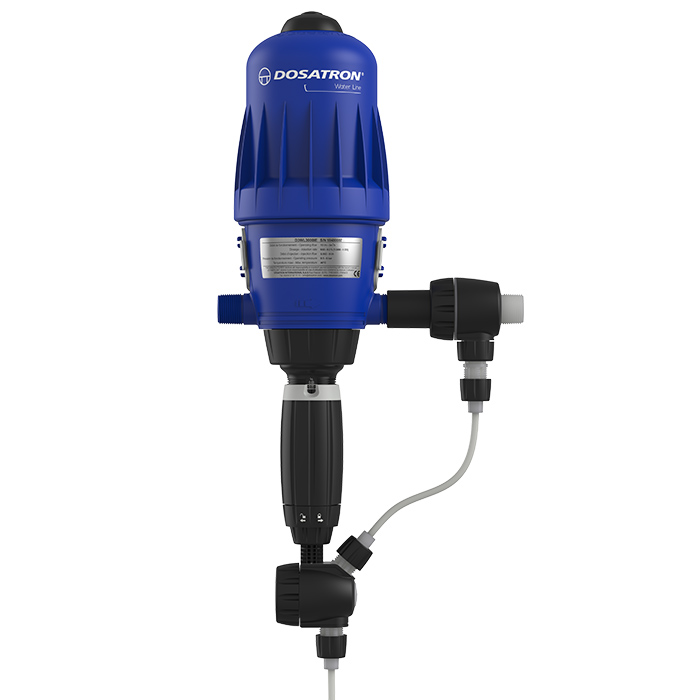
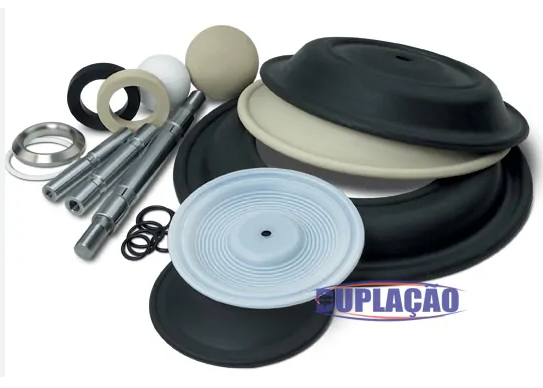
Pressure intensifiers are essential devices in pneumatic systems, designed to increase air or gas pressure. This allows cylinders and actuators to perform tasks that require superior force. With applications in various industries, this equipment guarantees efficiency and reliability. Being a strategic choice to optimize production processes.
What is a Pressure Booster? Definition and basic functioning of the pressure intensifier, including its importance in pneumatic systems.
What is a Pressure Booster? A pressure intensifier is a pneumatic device designed to increase the pressure of a compressed gas or air. It operates using a simple mechanical principle, where a small inlet pressure is converted into a significantly larger outlet pressure. This is achieved through a piston system, where the area of the input piston is smaller than the area of the output piston. This difference in area allows a smaller force to be amplified, resulting in a higher pressure at the outlet.
Importance in Pneumatic Systems Pressure intensifiers are crucial in pneumatic systems as they allow equipment and tools to operate with greater efficiency and power. They are used in applications where the available pressure is not sufficient to perform a specific task, such as in industrial automation systems, where precision and strength are essential for the proper functioning of actuators and cylinders. Furthermore, the use of intensifiers can lead to a reduction in energy consumption, since it is possible to operate with lower inlet pressures, saving resources and increasing the useful life of system components.
Advantages of Using Pressure Intensifiers. Practical benefits such as increased strength, energy efficiency and reduced operating costs.
Advantages of Using Pressure Intensifiers
Pressure intensifiers offer several advantages that can transform the operational efficiency of pneumatic systems. One of the main advantages and the increase in strength. With the ability to increase inlet pressure, these devices allow actuators and cylinders to perform tasks that require considerable force, making them ideal for applications that demand high performance.
Furthermore, enhancers contribute to the energy efficiency. By operating at lower inlet pressures, energy consumption can be reduced, resulting in significant savings in operating costs. This is especially relevant in industrial environments where energy efficiency is a priority.
Another important benefit is the reduction of operating costs. By using intensifiers, companies can avoid the need for larger, more expensive compressors, as they can obtain the necessary pressure with smaller, more economical equipment. This not only lowers initial investment costs, but also reduces long-term maintenance and operating costs.
Therefore, the adoption of pressure intensifiers is a smart strategy to optimize processes and maximize efficiency in various industrial applications.
Industrial Applications of Pressure Intensifiers. Examples of sectors that use pressure intensifiers, such as automation, manufacturing and fluid transportation.
Industrial Applications of Pressure Intensifiers
Pressure intensifiers are widely used in various industries due to their ability to increase air or gas pressure efficiently. One of the sectors that benefits most from these devices is industrial automation. In this area, intensifiers are essential to operate cylinders and actuators that require high pressures to perform precise and fast movements. This is crucial on assembly lines, where efficiency and speed are key.
Another sector that uses pressure intensifiers is manufacture. In manufacturing processes such as molding and cutting, high pressure is necessary to ensure the quality and precision of products. Intensifiers allow machines to operate optimally, increasing productivity and reducing downtime.
Furthermore, pressure intensifiers are common in fluid transport. They are used in systems that require the movement of liquids or gases under high pressure, such as in chemical and petrochemical industries. The ability to increase pressure in a controlled manner ensures that fluids are transported efficiently and safely, minimizing the risk of leaks and system failures. Therefore, the versatility of pressure intensifiers makes them indispensable in various industrial applications.
How to Choose the Ideal Pressure Booster. Criteria to consider when selecting a pressure intensifier, including capacity, compatibility and installation requirements.
How to Choose the Ideal Pressure Booster
Choosing the appropriate pressure intensifier is essential to ensure the efficient performance of pneumatic systems. There are some criteria essential to be considered during this process. First, the capacity of the intensifier must be evaluated. This involves understanding the inlet pressure and outlet pressure required for the specific application. It is important that the intensifier chosen can withstand the pressure demands without compromising safety or efficiency.
Another crucial aspect is the compatibility with existing systems. The intensifier must be compatible with pneumatic components already used, such as valves and cylinders. This ensures smooth integration and prevents malfunctions. Furthermore, it is necessary to check the construction materials of the intensifier, ensuring that they are suitable for the fluids that will be used.
Finally, the installation requirements must also be considered. It is important to evaluate the available space and operating conditions of the location where the intensifier will be installed. Make sure there is adequate access for maintenance and that the environment does not present adverse conditions that could affect the operation of the equipment. By following these criteria, it is possible to choose a pressure intensifier that meets the specific needs of the application, ensuring efficiency and reliability.