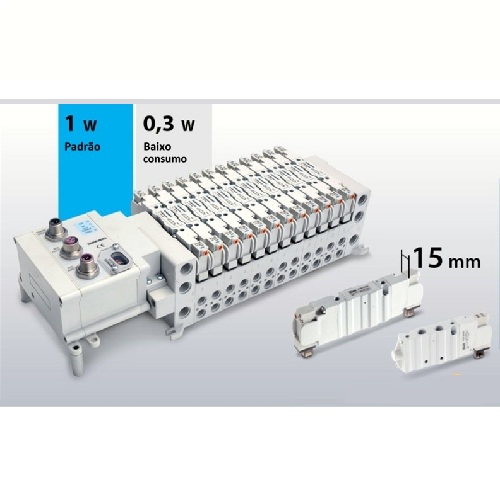
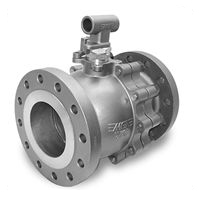
Proper maintenance of pneumatic equipment is essential to ensure its efficient operation and extend its useful life. In this guide, we'll cover the most important maintenance instructions, from regular checks to parts replacement, so you can keep your systems operating in optimal condition.
Importance of Preventive Maintenance: Understand how preventive maintenance can prevent failures and reduce operational costs.
Importance of Preventive Maintenance: Preventative maintenance is crucial to ensuring the continuous and efficient operation of pneumatic equipment. It involves carrying out regular inspections and performing scheduled services, which helps identify problems before they become serious failures. This not only avoids unexpected downtime, but also reduces operational costs, as corrective maintenance tends to be more expensive and complex. By investing in preventative maintenance, companies can increase the useful life of equipment and improve productivity.
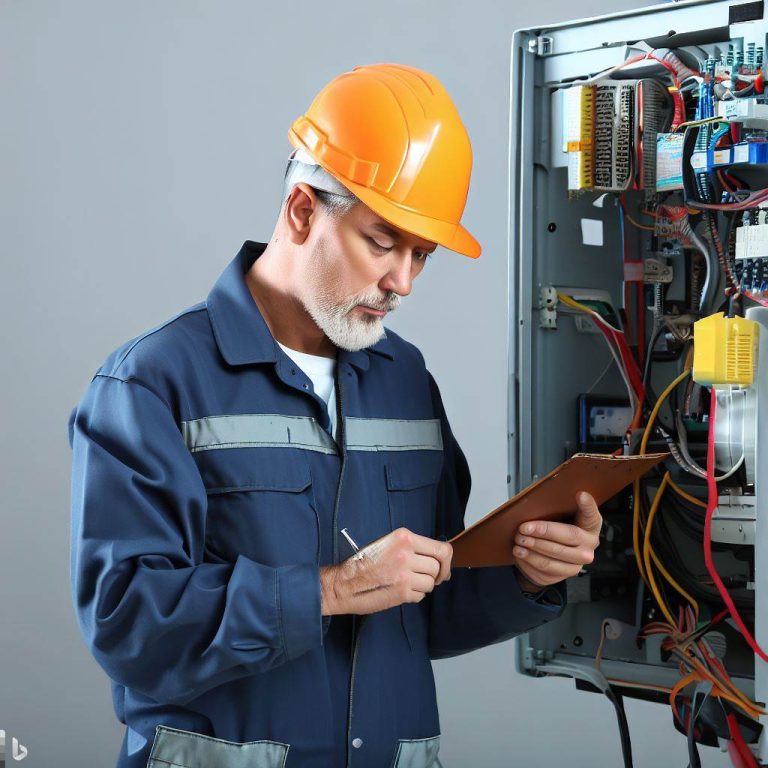
Regular Inspection Procedures: Carrying out regular inspections is an essential step in preventive maintenance. Procedures include checking connections, hoses and valves for leaks or wear. It is also important to monitor the pressure and temperature of the systems. A checklist can be helpful to ensure all areas are inspected. Documenting these inspections helps identify patterns and predict future maintenance needs.
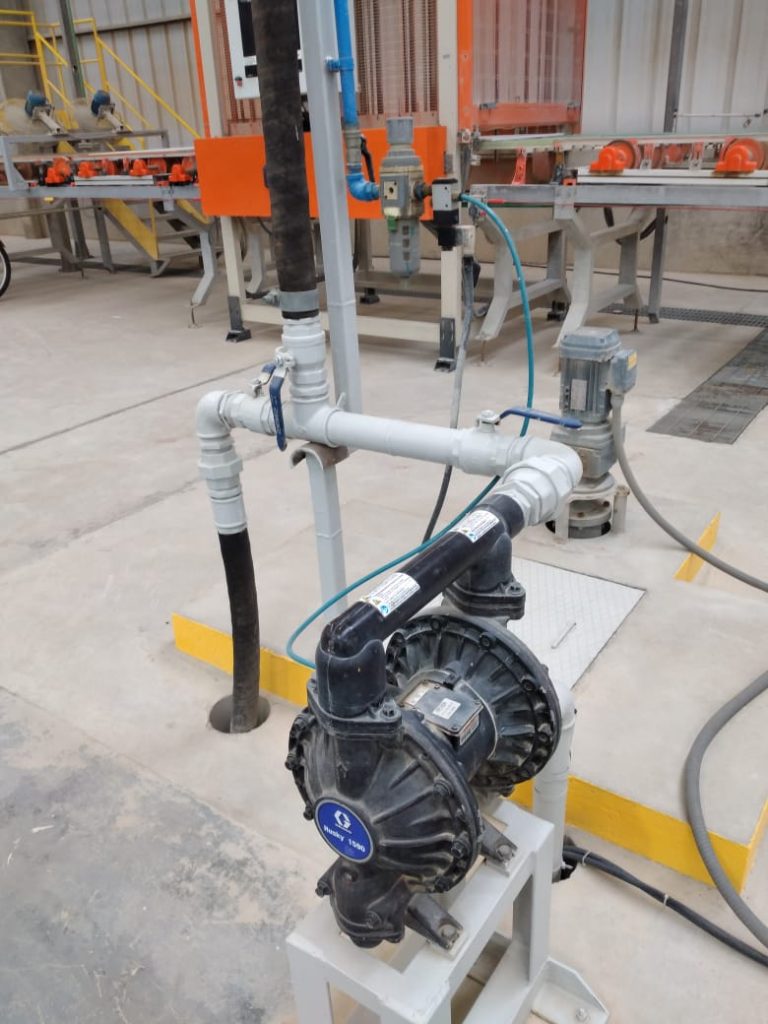
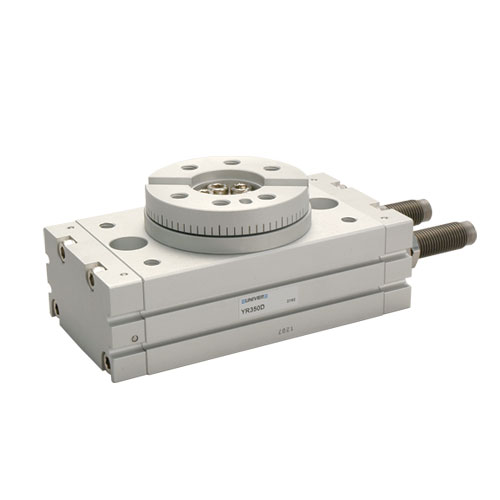
Replacement of Critical Components: Critical components such as valves and actuators should be replaced as soon as they show signs of wear. Early identification of faults can be done through regular inspections. It is important to follow the manufacturer's recommendations regarding replacement frequency. Using high-quality replacement parts, such as those offered by Graco Inc. and Pneumax, ensures that the system maintains its efficiency and safety.
Documentation and Maintenance Record: Keeping detailed records of maintenance activities is essential. These records help track the history of each piece of equipment, making it easier to identify recurring problems. Additionally, documentation is essential for audits and to ensure that all safety standards are followed. A maintenance management system can be a valuable tool for organizing this information and optimizing processes.
Regular Inspection Procedures: Learn the essential steps for performing regular inspections on pneumatic equipment.
Regular Inspection Procedures: Carrying out regular inspections of pneumatic equipment is essential to ensure its proper functioning. The first step is to prepare a inspection checklist, which should include items such as:
1. Connection Check: Inspect all air and fluid connections. Make sure there are no visible leaks. A leak may indicate wear or imminent failure.
2. Hose Inspection: Examine hoses for cracks, kinks or wear. Damaged hoses can compromise system pressure and efficiency.
3. Valve Assessment: Test the valves to ensure they are working properly. Failed valves can cause interruptions in the flow of air or fluids.
4. Pressure Monitoring: Use pressure gauges to check whether the pressure is within the recommended parameters. Inadequate pressures can lead to system failures.
5. Temperature Check: Monitor component temperature. Excessive temperatures may indicate lubrication problems or overloading.
6. Regular Cleaning: Keep equipment clean. Dust and debris can affect the performance and life of components.
After the inspection, it is essential to document all findings and actions taken. This not only helps with future maintenance, but also provides valuable history that can be used to identify failure patterns and optimize processes. Implementing a maintenance management system can make recording and analyzing this information easier.
Replacement of Critical Components: Know when and how to replace critical components to ensure system efficiency.
Replacement of Critical Components: Replacing critical components in pneumatic systems is a vital part of preventive maintenance. Components like valves, actuators and hoses perform essential functions and, when they fail, can cause significant disruptions to operations. It is important to know when and how to perform these replacements to ensure system efficiency.
1. Identification of Signs of Wear: Keep an eye out for signs of wear, such as unusual noises, leaks or intermittent failures. These signs can indicate that a component is about to fail. Regular monitoring can help identify these problems early.
2. Replacement Frequency: Consult the manufacturer's recommendations to determine the ideal replacement frequency for each component. Critical components must be replaced before they reach the end of their useful life, avoiding unexpected failures.
3. Use of Quality Replacement Parts: Always use high quality replacement parts, such as those offered by Graco Inc. and Pneumax. Low quality parts can compromise system efficiency and increase the risk of failure.
4. Replacement Procedure: When replacing a component, follow a clear procedure. Disconnect the compressed air system, remove the old component and install the new one, ensuring all connections are secure. After installation, perform tests to verify that the system is working correctly.
5. Documentation: Record all substitutions made. This helps maintain a maintenance history and can be useful for future analysis. Documentation is also important to ensure that all safety standards are followed.
Following these guidelines not only ensures system efficiency, but also extends the life of equipment, reducing long-term operating costs.
Maintenance Documentation and Records: Discover the importance of keeping detailed records of the maintenance activities carried out.
Documentation and Maintenance Record: Keeping detailed records of maintenance activities is essential for the operational efficiency of pneumatic systems. Documentation not only helps you track the history of each piece of equipment, but also provides valuable information for making future decisions.
1. Importance of Documentation: Documentation allows companies to identify failure patterns and perform performance analysis. With accurate records, it is possible to predict when a component may need replacement or maintenance, avoiding unexpected downtime.
2. What to Register: Record all maintenance activities, including:
- Maintenance date
- Type of service performed (inspection, replacement, repair)
- Components involved
- Results of tests carried out
- Notes on equipment performance
3. Registration Tools: Use maintenance management tools, such as specific software, that facilitate organization and access to information. These systems can generate reports and alerts for scheduled maintenance, improving process efficiency.
4. Team Training: It is essential that the team responsible for maintenance is trained to record information accurately. Poor registration can lead to wrong decisions and increase operating costs.
5. Audits and Compliance: Keeping detailed records is also a requirement in many industries. Regular audits can be carried out to ensure that all safety and quality standards are being followed. Proper documentation helps demonstrate compliance and can avoid penalties.
Following these documentation practices not only improves maintenance management, but also contributes to the longevity and efficiency of pneumatic equipment.