Start-up is a critical phase in any automation and fluid handling project. In this guide, we'll cover best practices and essential considerations to ensure your facility runs efficiently and safely from day one.
Importance of Planning at the Start of Operation: Understand how meticulous planning can prevent failures and optimize the performance of pneumatic systems.
The importance of planning at the start of operations It is a fundamental aspect for the success of any pneumatic system.
Meticulous planning allows you to identify and mitigate risks before they become problems. This includes clearly defining objectives, timelines and responsibilities.
Good planning it also involves the appropriate choice of equipment and analysis of operating conditions.
By predicting possible failures, it is possible to implement solutions that guarantee the continuity of the production process.
Furthermore, effective planning optimizes systems performance, as it ensures that all components are aligned and working in harmony.
This maximizes efficiency, resulting in fewer unscheduled stops and greater productivity.
Therefore, investing time and resources in planning is crucial to avoid rework and ensure a smooth operation from the start.
Essential Pre-Operational Checks: Explore the key checks that must be carried out before starting operation, including safety and functionality inspections.
Essential pre-operational checks are fundamental to ensuring that a pneumatic system functions correctly from the start. Before starting operation, it is crucial to carry out a series of inspections to ensure the safety and functionality of the equipment.
Firstly, you must check that all components are installed correctly and that there are no air or fluid leaks.
Furthermore, it is important to check the lubrication levels, as a lack of lubrication can cause premature wear and system failures.
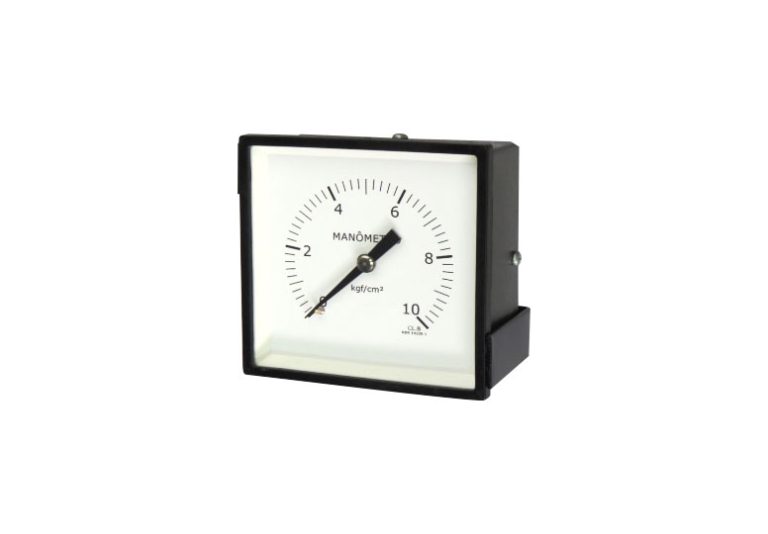
Another point to consider is the calibration of measuring instruments, which must be done to ensure that the data collected is accurate.
Safety inspections are also essential; This includes checking safety devices such as relief valves and pressure sensors.
Finally, performing a dry run test can help identify problems before actual operation begins, ensuring that all systems are ready to operate safely and efficiently.
Staff Training for Safe Operation: Learn how proper staff training can positively impact efficiency and safety during initial operation.
Team training for safe operation It is a crucial aspect that should not be neglected during the start-up of pneumatic systems. Proper training ensures that all operators understand equipment functionalities and best safety practices.
Firstly, it is essential that the team knows the operating and maintenance procedures of the systems. This includes understanding the technical specifications and functions of each component.
Furthermore, training must address safety standards, such as the correct use of Personal Protective Equipment (PPE) and the identification of risk situations.
Practical simulations can be very effective, allowing operators to practice in a controlled environment before handling the actual operation.
Another important point It is training in problem solving, where the team learns to identify failures and make quick decisions to minimize impacts on production.
With well-structured training, operational efficiency increases as operators become more confident and competent, resulting in a safer and more productive work environment.
Monitoring and Adjustments During Start-up: Learn about the importance of continuous monitoring and adjustments necessary to ensure optimal operation of systems.
Monitoring and adjustments during start-up These are crucial steps to ensure pneumatic systems function optimally.
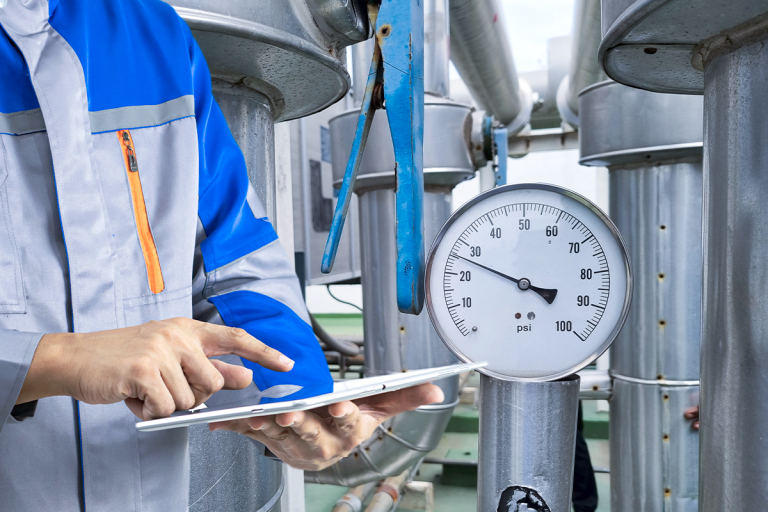
After installation and start of operation, it is essential to carry out a continuous monitoring of all operating parameters. This includes air pressure, component temperature, and fluid flow efficiency.
An effective monitoring system allows you to quickly identify any anomaly that may arise, such as leaks or mechanical failures.
Furthermore, fine tuning may be necessary to optimize performance. This may involve calibrating valves, modifying operating pressures, or replacing components that are not functioning properly.
Take these actions proactively not only improves efficiency but also extends equipment life.
It is important that the team is trained to interpret monitoring data and make the necessary adjustments, thus ensuring safe and efficient operation.
With a good monitoring system and regular adjustments, it is possible to minimize unscheduled downtime and maximize productivity.