Hydraulics is an engineering area that studies the behavior of fluids in motion and at rest. With applications ranging from transportation systems to heavy machinery, hydraulics play a crucial role in various industries. In this article, we will explore the basic principles of hydraulic, its practical applications and the importance of this science in modern technology.
Basic Hydraulic Principles: Understand the fundamental concepts of hydraulic, including pressure, flow and the Pascal Law.
Basic Hydraulic Principles
Hydraulics is an area of physics that studies the behavior of moving and resting fluids. One of the fundamental concepts is the pressure, which is defined as the force exerted by area unit. The pressure is crucial in hydraulic systems as it determines how fluids behave within a system. The higher the pressure, the greater the force the fluid can exert on the system components.
Another important concept is the flow, which refers to the amount of fluid that passes a point in a certain period of time. The flow rate is measured in liters per minute (l/min) or cubic meters per second (m³/s). In hydraulic systems, the flow should be controlled to ensure that components work efficiently and safely.
A Pascal lei It is a fundamental principle of hydraulic. She states that any pressure variation applied to a resting fluid is uniformly transmitted in all directions. This means that if you apply pressure at a point of a hydraulic system, this pressure will be felt on all other points in the system. This property is what allows hydraulic systems to multiply forces, making them extremely effective in industrial and engineering applications.
Hydraulic Applications in Industry: Explore how hydraulic is used in sectors such as construction, automation and transportation.
Hydraulic applications in the industry
Hydraulics is widely used in various sectors of the industry, offering efficient solutions for movement and control of fluids. In civil constructionHydraulic systems are essential for the operation of heavy machinery such as excavators and cranes. These equipment use hydraulic pressure to lift and move large loads, facilitating work in construction sites.
In the sector of automation, Hydraulics plays a crucial role in production lines. Hydraulic actuators are used to move precisely parts and tools, increasing efficiency and productivity. In addition, hydraulic systems are often integrated with industrial robots, allowing complex and automated operations.
Na transportation industry, Hydraulics is used in brake and heavy vehicle steering systems such as trucks and buses. These systems ensure safety and control, allowing drivers to easily maneuver. Hydraulics is also applied to elevators and cargo platforms, facilitating the transport of goods in warehouses and factories.
In addition, hydraulics is fundamental in sectors such as the mining, where it is used to operate materials drilling and transportation equipment. The versatility and efficiency of hydraulic systems make this technology indispensable in various industrial applications.
Hydraulic Systems Components: Know the main components of a hydraulic system, such as pumps, valves and actuators.
Hydraulic systems components
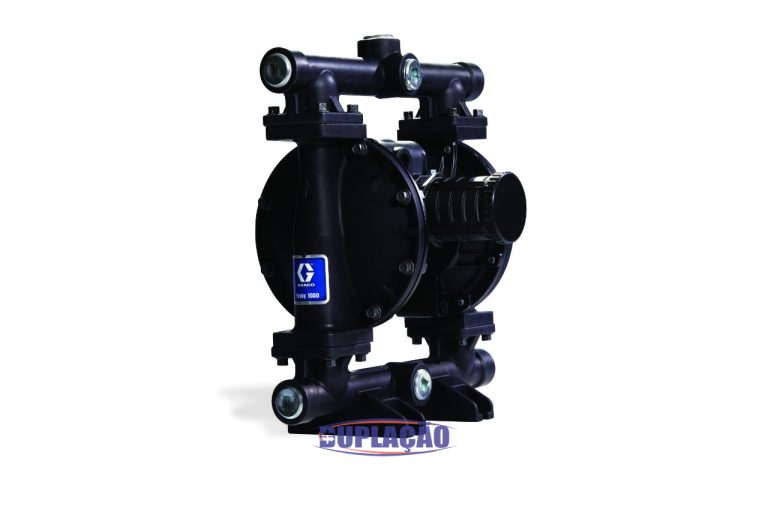
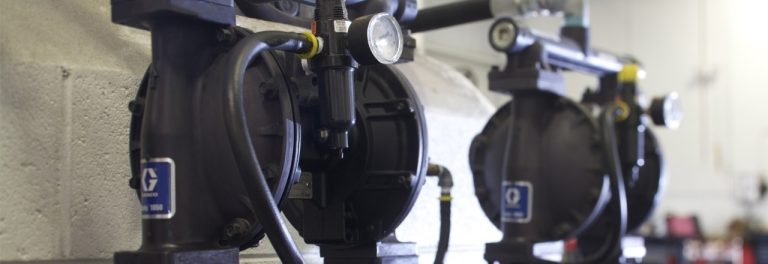
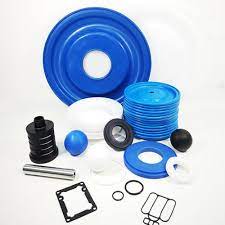
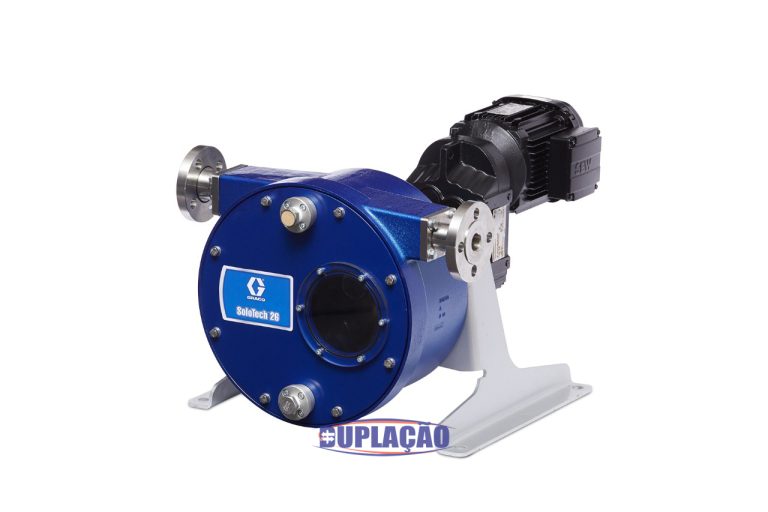
Hydraulic systems are composed of various components that work together to ensure efficient and safe operation. One of the main components is the Hydraulic pump, responsible for generating the pressure needed to move the fluid. There are different types of pumps, such as gear, reeds and diaphragm, each with its own specific characteristics to meet different applications.
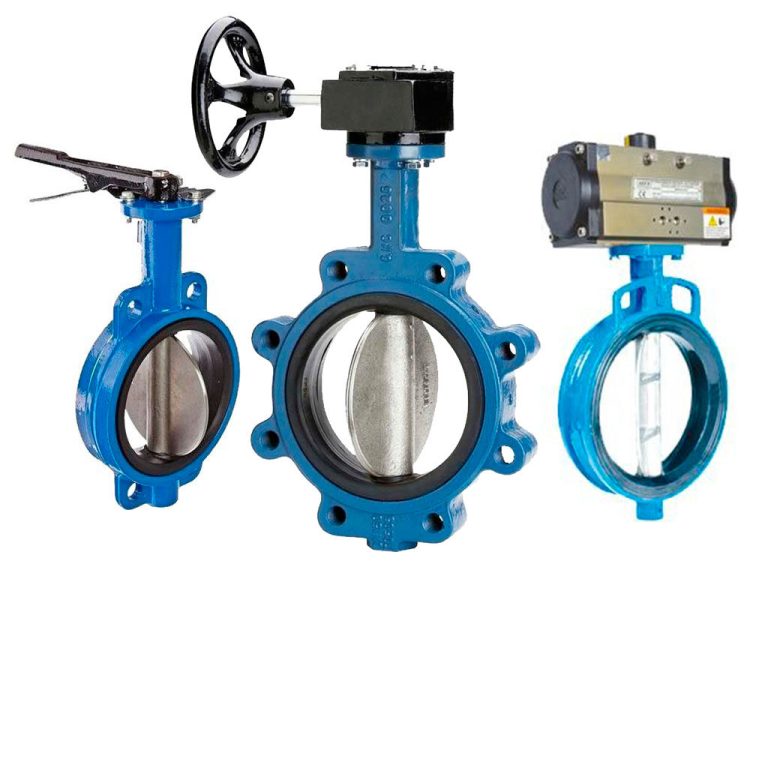
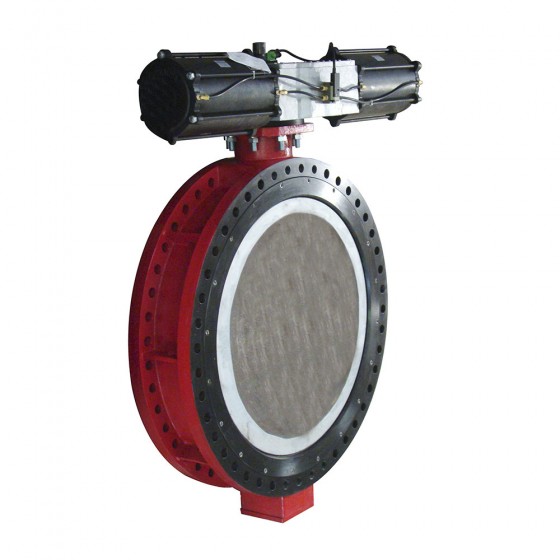
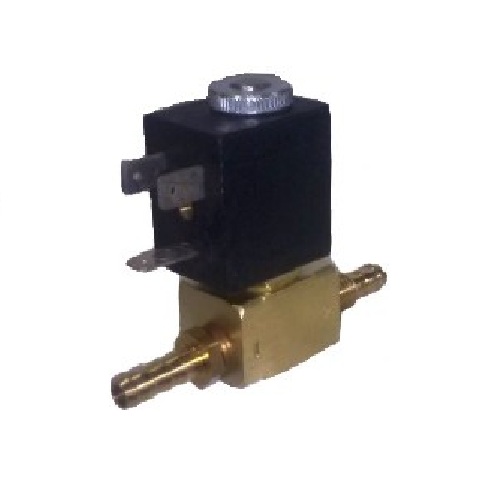
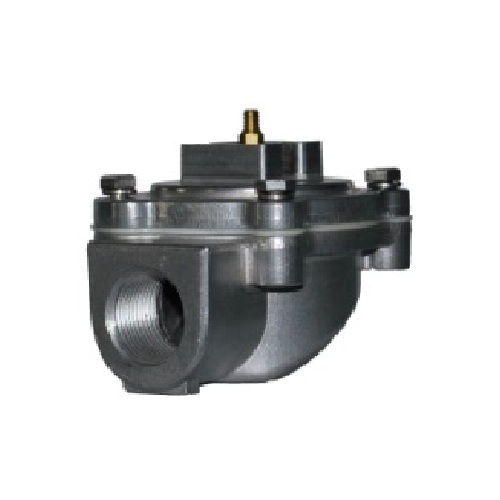
Another fundamental component is the Valves, which control the flow of fluid within the system. Valves can be manual or automatic and are used to direct the fluid, regulate the pressure and stop the flow when needed. Relief valves, for example, are essential to protect the system against overpressions, avoiding damage to components.
Os Hydraulic actuators They are responsible for converting hydraulic energy into mechanical motion. They can be cylinders or hydraulic motors. Hydraulic cylinders are used for applications that require linear strength, while hydraulic motors are used for applications that require rotating movement. The choice of the right actuator is crucial to the efficiency of the system.
In addition to these components, hydraulic systems also include reservoir To store the fluid, filters to remove impurities and pipes that connect all the elements. Each of these components plays a vital role in the operation of the system, ensuring that it works effectively and reliable.
Advantages and Disadvantages of Hydraulics: Analyze the benefits and limitations of hydraulic systems compared to other technologies.
Hydraulic Advantages and Disadvantages
Hydraulic systems offer several advantages which make them popular in various industrial applications. One of the main advantages is the high strength ability with a relatively small size. This allows machines and equipment to perform heavy tasks without the need for large and heavy engines.
Another advantage is the ease of control. Hydraulic systems can be easily adjusted to vary strength and speed, allowing precise control in operations. This is especially useful in applications that require delicate movements or fine adjustments.
In addition, the maintenance of hydraulic systems tends to be simpler compared to complex mechanical systems. With the use of standardized components, parts replacement is generally fast and efficient.
However, there are also disadvantages associated with hydraulic systems. One of the main problems is the possibility of leaks. Hydraulic fluid leaks can cause efficiency loss and even environmental damage. It is crucial to monitor and maintain systems to avoid these problems.
Another disadvantage is the Regular maintenance dependence. Although maintenance is generally simple, it is still necessary to ensure that the system works properly and to avoid failures. In addition, hydraulic systems can be sensitive to extreme temperatures, which can affect fluid performance and, consequently, the system.
Finally, compared to other technologies, such as electric, hydraulic systems may be less energy efficient, especially in applications where electricity can be used more directly and efficiently.