Industrial Hydraulics is a fundamental area for the operation of various machines and equipment in industrial sectors. Understanding its principles and applications is essential to maximize operational efficiency and ensuring process safety. In this article, we will address the main aspects of industrial hydraulics, its advantages and best practices for implementation.
What is industrial hydraulics? - Definition and basic principles of hydraulic applied in the industry.
A industrial hydraulics It is a branch of engineering that studies and applies the principles of fluid mechanics for the control and movement of machinery and equipment. It uses fluids, usually oil, to convey strength and energy. The basic functioning of a hydraulic system is based on the Pascal lei, which states that the pressure applied to a confined fluid is also transmitted in all directions. This allows small forces to be amplified, resulting in large movements and actions in mechanical components.
Hydraulic systems offer several advantages in industrial processes. First, they are able to generate large forces in reduced spaces, which is ideal for applications where space is limited. In addition, the energy efficiency It is a striking feature as hydraulic systems can operate with less energy compared to traditional mechanical systems. Another benefit is the ease of controlallowing rapid and accurate adjustments to operations. Finally, maintenance is generally simplified as many components are interchangeable and easily accessible.
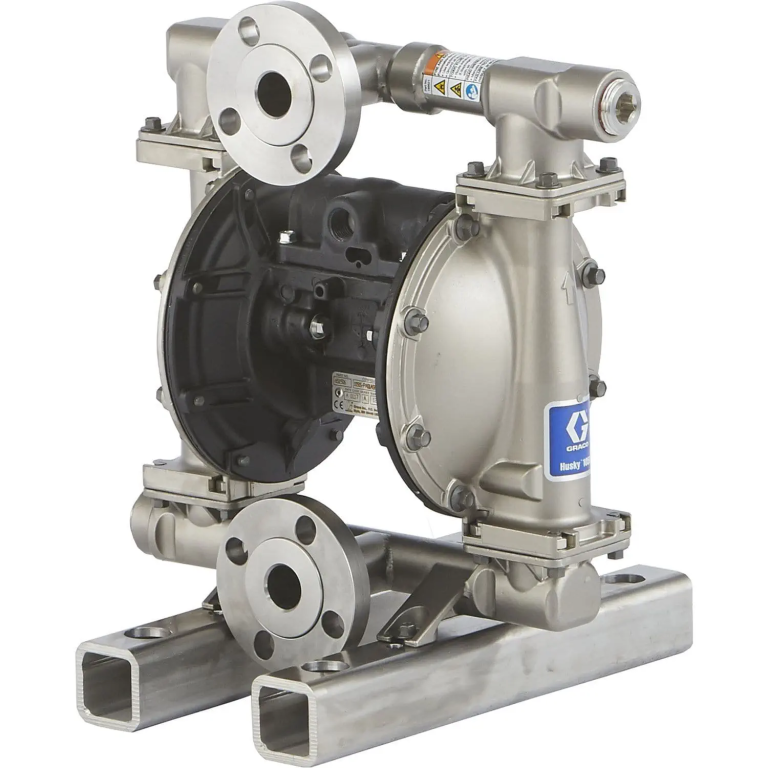
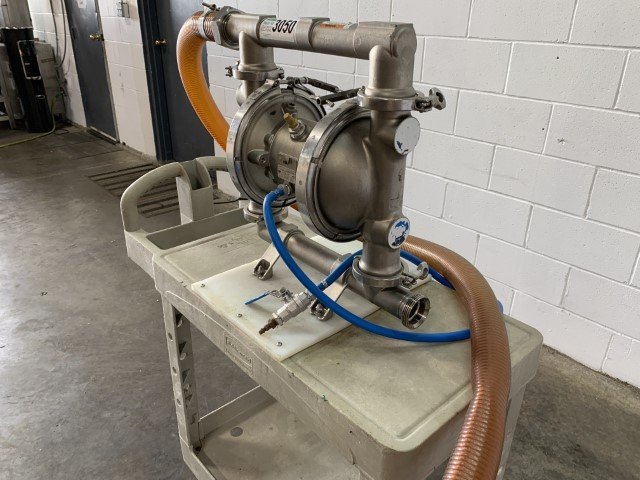
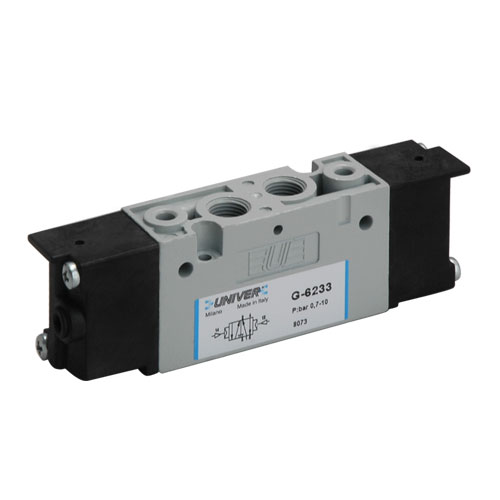
A hydraulic system consists of several main componentseach playing a crucial role. To the Hydraulic pumps They are responsible for moving the fluid through the system, creating the pressure needed for operation. To the Valves They control the flow and direction of the fluid, allowing the operator to adjust the operations as needed. Already the actuators, which can be cylinders or hydraulic motors, convert fluid energy into mechanical motion, performing tasks such as lifting, pushing or turning objects. The interaction between these components is critical to the efficient performance of the system.
A hydraulic It is widely used in several industrial sectors. In auto industry, for example, hydraulic systems are used in presses to shape metal parts. In civil construction, cranes and excavators use the hydraulics to move heavy loads. In the sector food, hydraulic systems are used in packaging and processing machines. Also, in petrochemical industryHydraulics is essential for valve control in refining processes. These applications demonstrate the versatility and importance of hydraulics in different industrial contexts.
Advantages of Industrial Hydraulics - Benefits of using hydraulic systems in industrial processes.
A industrial hydraulics offers a series of advantages which make it a preferred choice in many industrial processes. One of the main advantages is the ability to generate large forces in compact spaces. This is especially useful in applications where space is limited, allowing machines to perform heavy tasks without occupying much physical space.
Another significant advantage is the energy efficiency. Hydraulic systems can operate with less energy compared to traditional mechanical systems, resulting in operating cost savings. In addition, the ease of control It is an important aspect as it allows rapid and accurate adjustments in operations, increasing productivity.
A maintenance of hydraulic systems also tends to be simpler. Many components are interchangeable and easily accessible, which reduces inactivity time in case of failures. This is crucial to maintaining the continuity of industrial operations.
Finally, the versatility Hydraulic systems allows them to be used in a wide range of applications, from heavy load movement to delicate process control. This flexibility is a key factor for many industries that seek to optimize their processes and increase efficiency.
Main components of hydraulic systems - description of the main components such as pumps, valves and actuators.
Os Hydraulic systems are composed of several main components, each with a specific function that contributes to the efficient functioning of the system. One of the most important components is the Hydraulic pump, which is responsible for moving the fluid through the system. Pumps can be of different types, such as centrifugal or gear, and the choice of type depends on the application and the characteristics of the fluid.
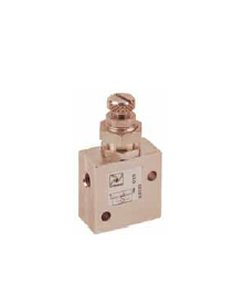
Another essential component is the Valves, which control the flow and direction of the fluid. There are several types of valves, such as control valves, which regulate the amount of fluid that passes, and relief valvesthat protect the system against excessive pressures. The correct operation of the valves is crucial for the safety and efficiency of the hydraulic system.
Os actuators They are responsible for converting hydraulic energy into mechanical motion. They can be hydraulic cylinders, which perform linear movements, or hydraulic motors, which generate rotating movement. The choice of actuator depends on the specific application and the desired type of motion.
In addition to these main components, the hydraulic system may also include reservoir To store the fluid, filters to remove impurities and pipes that connect all components. The interaction between these elements is critical to ensuring that the system operates efficiently and reliable.
Hydraulic Applications in Industry - Examples of practical hydraulic applications in different industrial sectors.
A industrial hydraulics It is widely used in various sectors, providing efficient solutions for a variety of applications.
Na auto industry, for example, hydraulic systems are essential in presses that mold metal parts, allowing mass production with high precision. In addition, hydraulic systems are used in assembly equipment, where strength and accuracy are crucial.
In the sector of civil constructionHydraulics plays a key role in heavy machines such as excavators and cranes. These equipment use the hydraulic force to lift and move large loads, facilitating work in construction sites. The ability to operate on irregular land and the strength they can generate make these systems indispensable.
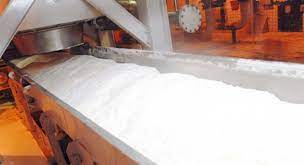
Na food industry, Hydraulics is applied to packaging and processing machines. Hydraulic systems ensure that products are manipulated carefully, avoiding damage and ensuring efficiency in production lines. Precision in flow and pressure control is vital to maintain food quality.
Another example is the petrochemical industrywhere hydraulic systems are used to control valves in refining processes. The ability to operate under high pressures and temperatures make the hydraulic ideal for this type of application, ensuring safety and efficiency.
In addition, the hydraulic It is used in transportation systems such as elevators and load platforms, where smooth and controlled movement is required. These examples demonstrate the versatility and importance of hydraulics in different industrial sectors, contributing to the efficiency and safety of operations.