The drive rod plays a crucial role in industrial automation, connecting actuators and valves for precise control of fluids. In this article, we will explore its characteristics, applications and the importance of choosing the appropriate rod to ensure the efficiency and safety of pneumatic systems.
1. What is a Drive Rod?
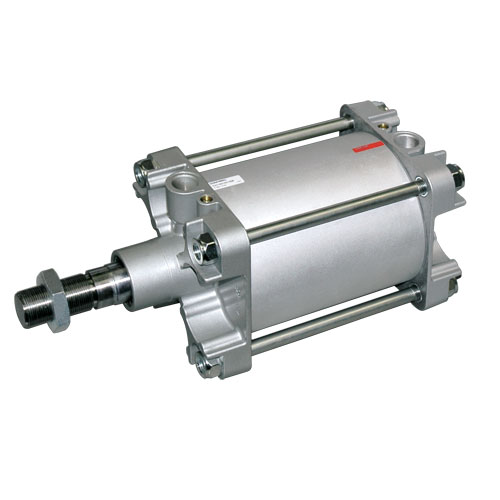
A drive rod is an essential component in pneumatic and hydraulic systems, responsible for transmitting movement from an actuator to a valve or other device. This element is designed to convert the energy provided by the actuator into mechanical movement, allowing precise control of fluids in various industrial applications.
Drive rods can be manufactured from different materials, such as stainless steel, aluminum or plastic, depending on the requirements of the operating environment and the characteristics of the fluid to be handled. The choice of material is crucial, as it must resist corrosion, wear and pressure, ensuring the durability and efficiency of the system.
Furthermore, the rods can vary in length, diameter and shape, adapting to the specific needs of each application. For example, longer rods may be needed in systems that require greater displacement, while shorter rods are used in restricted spaces.
In summary, the drive rod is a vital component that ensures the effective functioning of automated systems, contributing to the efficiency and safety of industrial operations.
2. Types of Drive Rods
There are several types of drive rods, each designed to meet specific needs in pneumatic and hydraulic systems. Choosing the appropriate type is essential to guarantee the performance and efficiency of the system. Below we present some of the main types:
- Challenge: This is the most common type, used in applications where linear movement is required. Straight rods are simple and effective and are often used in pneumatic actuators.
- Curved Beam: Used in situations where space is limited, curved rods allow movement to be directed efficiently. They are common in systems that require flexibility and adaptation to the equipment layout.
- Telescopic Haste: This type of rod is designed to offer greater reach in a compact space. Telescopic rods are ideal for applications that require variation in length, allowing dynamic adjustments during operation.
- Threaded Drive Rod: These rods have a screw mechanism that allows fine adjustment of the length. They are often used in applications that require positioning accuracy.
Each type of drive rod has unique characteristics that influence its performance in different applications. Correct selection is essential to optimize system efficiency and safety.
3. Importance of the Drive Rod in Automation
A drive rod plays a fundamental role in industrial automation, as it is responsible for connecting actuators and valves, allowing precise control of fluids. Its importance can be highlighted in several aspects:
- Control Accuracy: The drive rod ensures that the actuator movement is transmitted accurately to the valve, allowing fine adjustments in operation. This is crucial in processes that require high precision, such as dosing chemicals.
- Energy efficiency: With a well-designed drive rod, the system operates more efficiently, reducing energy consumption. This not only reduces operating costs, but also contributes to sustainable practices.
- Operational Security: The drive rod is designed to withstand specific pressures and forces, ensuring the system operates safely. A quality component minimizes the risk of failures, which could result in accidents or damage to the equipment.
- Application Flexibility: The drive rods can be adapted to different types of actuators and valves, offering versatility in automated systems. This allows companies to adjust their operations as needed without the need for major system modifications.
Therefore, the drive shaft is not just a mechanical component, but an essential element that directly impacts the efficiency, safety and flexibility of industrial automation systems.
4. Considerations in Choosing Drive Rod
When selecting a drive rod, it is important to consider several factors that impact the performance and durability of the system. Here are some essential considerations:
- Material: The rod material must be chosen based on the operating conditions. Stainless steel rods are ideal for corrosive environments, while aluminum rods can be lighter and suitable for general applications.
- Dimensions: The length and diameter of the stem must be compatible with the actuator and valve. A rod that is too long may cause play, while one that is too short may not provide the necessary travel.
- Connection Type: Check the type of connection between the stem and the actuator and valve. Threaded, welded or pinned connections must be chosen according to ease of installation and maintenance.
- Load Capacity: The rod must withstand the forces and pressures of the system. It is essential to ensure that the chosen rod has an adequate load capacity to avoid failures during operation.
- Operating Environment: Consider factors such as temperature, humidity and the presence of chemicals. Rods designed for extreme environments must be selected to ensure component longevity.
These considerations help ensure that the drive rod operates efficiently and safely, contributing to the effectiveness of the pneumatic or hydraulic system.