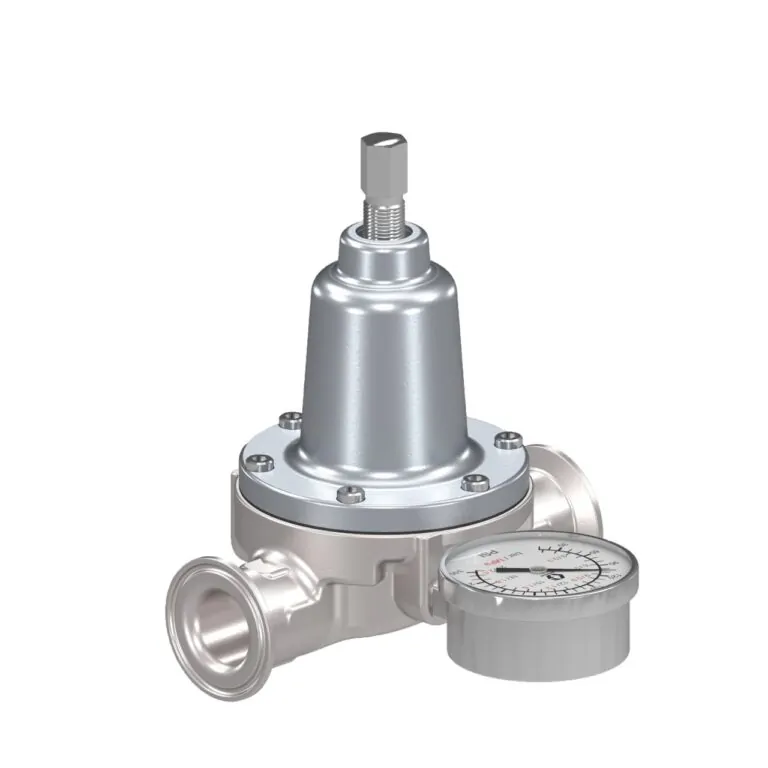
The safety trigger is an essential component in pneumatic systems, designed to prevent accidental triggering and ensure operator safety. In this article, we will address its characteristics, applications and the importance of its use in industrial environments.
What is a Safety Trigger? – Definition and operation of the safety trigger in pneumatic systems.
O safety trigger is a device designed to prevent accidental activation of pneumatic equipment. It acts as a protection mechanism, ensuring that equipment operation only occurs when the operator desires.
This component is crucial in industrial environments where safety is a priority.
The operation of the safety trigger is simple but effective. When the operator presses the trigger, it activates a system that allows compressed air to pass through, activating the equipment. However, if the trigger is not pressed correctly, the air flow is interrupted, preventing any unwanted operation.
This feature is especially important in pneumatic tools such as spray guns and impact wrenches.
In addition to preventing accidental triggers, the safety trigger can also include additional features, such as mechanical or electronic locks, that further increase operator safety.
These features ensure that the equipment will not operate unless all safety conditions are met.
In summary, the safety trigger is an essential element for the safe operation of pneumatic systems, providing an extra layer of protection for operators and helping to minimize the risk of accidents in the workplace.
Importance of the Safety Trigger – How the safety trigger contributes to protecting the operator and preventing accidents.
A importance of the safety trigger in pneumatic systems cannot be underestimated. This device is essential to ensure operator safety when using pneumatic tools and equipment. By preventing accidental triggers, the safety trigger significantly reduces the risk of accidents, which could result in serious injury.
When an operator uses a pneumatic tool, such as a spray gun or impact wrench, the presence of the safety trigger allows him or her to have complete control over the operation. This means that the equipment will only work when the operator really wants it to, avoiding situations where the tool can be activated inadvertently.
Additionally, the safety trigger may include additional mechanisms, such as interlocks that prevent triggering in unsafe conditions. For example, on some tools, the trigger can only be activated if the tool is positioned correctly or if the operator is wearing appropriate personal protective equipment (PPE).
These features not only protect the operator, but also contribute to the overall security of the desktop. With an effective safety trigger, companies can reduce the number of accidents and improve operational efficiency, as operators will feel safer and more confident when using equipment.
Safety Trigger Applications – Main sectors and equipment that use safety triggers.
O safety trigger It is widely used in various industrial sectors where safety and control are essential. Among the main applications, the following stand out:
- Automotive Industry: In pneumatic tools, such as impact wrenches and spray guns, the safety trigger is crucial to prevent accidental activations during vehicle assembly and painting.
- Civil Construction: Equipment such as hammers and pneumatic drills use safety triggers to ensure that the operator has full control over the operation, preventing accidents on construction sites.
- Maintenance Sector: Maintenance tools, such as compressors and air guns, often incorporate safety triggers to protect technicians while performing work on machines and equipment.
- Food Industry: In product packaging and handling processes, the use of pneumatic tools with safety triggers is vital to ensure operator safety and product integrity.
Furthermore, the safety trigger is found in industrial painting equipment, where precision and control are essential to avoid waste and guarantee the quality of the finish. The presence of this device on pneumatic tools is a safety standard that helps minimize risks and protect workers in potentially dangerous environments.
Maintenance and Care of the Safety Trigger – Tips to ensure the effectiveness and durability of the safety trigger in industrial operations.
A safety trigger maintenance is essential to ensure proper functioning and operator safety. Here are some important tips to maintain the effectiveness and durability of this component in industrial operations:
- Regular inspection: Perform periodic inspections of the safety trigger to check for wear or damage. Any sign of failure must be addressed immediately to avoid accidents.
- Proper Cleaning: Keep the trigger clean and free from dirt or debris. Accumulated dirt can interfere with the trigger's functioning, compromising its effectiveness.
- Lubrication: Apply appropriate lubricant to the moving parts of the trigger, according to the manufacturer's recommendations. This helps ensure smooth actuation and reduces wear.
- Parts Replacement: If you identify damaged or worn parts, replace them immediately. The use of original parts is recommended to ensure equipment compatibility and safety.
- Operator Training: Provide adequate training to operators on the correct use of the safety trigger. This includes instructions on how to turn it on and off correctly, as well as information about the importance of maintaining it.
Following these tips will not only extend the life of your safety trigger, but also contribute to a safer and more efficient work environment. Attention to maintenance is an investment in the safety of operators and the operation of equipment.