Exhaust gas is a byproduct generated by the burning of fuels in engines and industrial processes. Understanding its properties and applications is essential to ensure efficiency and safety in various operations. In this article, we will address the main characteristics of exhaust gas and their implications for automation and control systems.
What is exhaust gas?
O exhaust gas It is a by-product resulting from the combustion of fossil fuels, such as gasoline, diesel and natural gas, in vehicle engines and in industrial processes. During burning, the fuel combines with oxygen in the air, generating energy and releasing gases. These gases are composed of a mixture of carbon dioxide (CO2), carbon monoxide (CO), nitrogen oxides (NOx) and other pollutants. The exact composition of the exhaust gas may vary depending on the type of fuel used and the combustion conditions.
In addition to being an indicator of engine efficiency, exhaust gas is also a critical factor in terms of environmental emissions. Therefore, many pollution control systems are designed to monitor and reduce the amount of pollutants released into the atmosphere.
Exhaust gas characteristics
As exhaust gas characteristics are fundamental to understanding their impact on engines and industrial processes. Firstly, the exhaust gas is composed of a mixture of gases which vary depending on the type of fuel used. The main components include carbon dioxide (CO2), which is a colorless and odorless gas, and carbon monoxide (CO), which is toxic and can be dangerous in high concentrations.
Another important component is the nitrogen oxide (NOx), which is generated at high temperatures and can contribute to the formation of acid rain and air pollution. Furthermore, the exhaust gas may contain solid particles and other pollutants, depending on the efficiency of the combustion system and the type of fuel.
As temperatures of the exhaust gas are also a relevant feature. They can vary significantly, reaching up to 600°C in internal combustion engines. This high temperature can affect the durability of engine components and exhaust systems, requiring heat-resistant materials.
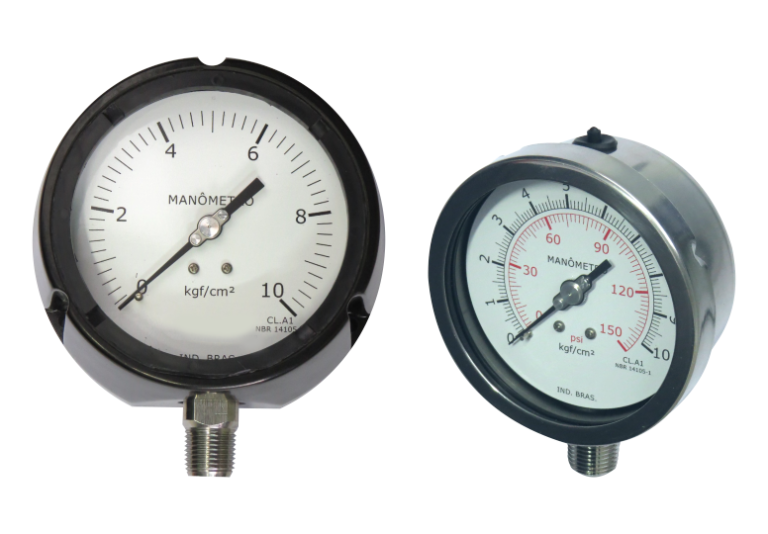
Finally, the pressure exhaust gas is a critical factor that influences engine performance. Pressure must be controlled to ensure the efficiency of the exhaust system and minimize pollutant emissions. Modern control systems use sensors to monitor these characteristics, allowing real-time adjustments to optimize engine operation.
Exhaust gas applications in industries
O exhaust gas has several applications in industries, being a crucial element in production processes and environmental control. In automotive industries, for example, exhaust gas is monitored to ensure that vehicles meet emission standards. systems catalysts são utilizados para converter poluentes presentes no gás de escape em substâncias menos nocivas, como carbon dioxide e nitrogen.
Além disso, em indústrias de energia, o gás de escape gerado por usinas térmicas é tratado para reduzir suas emissões antes de ser liberado na atmosfera. Isso é feito através de sistemas de filtering e desulfurização, que removem impurezas e reduzem o impacto ambiental.
Another important application is in the chemical processing, onde o gás de escape pode ser utilizado como fonte de calor em processos de aquecimento. Isso melhora a eficiência energética das operações, aproveitando o calor residual que, de outra forma, seria desperdiçado.
In food and beverage industries, exhaust gas is frequently monitored to ensure the safety of production processes. The presence of contaminants can affect the quality of the final product, making strict control of emissions essential.
Finally, the exhaust gas is also used in exhaust systems. industrial automation, where sensors detect its composition and pressure, allowing automatic adjustments in production processes. This not only improves efficiency but also helps maintain compliance with environmental regulations.
Implications of exhaust gas in automation systems
As implications of exhaust gas in automation systems are significant, especially in industries that depend on efficient and sustainable production processes.
Exhaust gas monitoring is essential to ensure systems operate within safe and efficient parameters. sensors air quality They are often integrated into automated systems to measure exhaust gas composition, allowing for real-time adjustments.
These sensors help detect the presence of pollutants, like carbon monoxide e nitrogen oxides, which may indicate problems in the combustion process. When pollutant levels exceed established limits, the automation system can automatically adjust the air and fuel mixture, optimizing engine efficiency and reducing emissions.
Furthermore, automation allows the implementation of security protocols which can be activated in case of detection of dangerous gases. This is crucial to protect workers and the environment, ensuring operations are carried out safely.
The data collected by automation systems is also valuable for performance analysis. They enable companies to identify trends and patterns in exhaust gas behavior, facilitating predictive maintenance and process optimization. This results in a reduction in operating costs and an increase in the useful life of the equipment.
Finally, the integration of automation systems with artificial intelligence pode levar a melhorias ainda mais significativas. A IA pode analisar grandes volumes de dados em tempo real, oferecendo insights que ajudam a melhorar a eficiência e a sustentabilidade das operações industriais.
Segurança e eficiência no manejo do gás de escape
A segurança e eficiência no manejo do gás de escape são aspectos cruciais em qualquer operação industrial que envolva combustão. O gás de escape, se não tratado adequadamente, pode representar riscos à saúde dos trabalhadores e ao meio ambiente. Portanto, é essencial implementar práticas seguras e eficientes para o seu manejo.
Um dos primeiros passos para garantir a segurança é a instalação de ventilation systems adequados. Esses sistemas ajudam a dispersar o gás de escape, reduzindo a concentração de poluentes no ambiente de trabalho. Além disso, o uso de gas detectors pode alertar os operadores sobre a presença de gases nocivos, permitindo uma resposta rápida a possíveis vazamentos.
A eficiência no manejo do gás de escape também envolve a utilização de tecnologias de controle de emissões. Filtros e catalisadores são frequentemente empregados para remover poluentes antes que o gás seja liberado na atmosfera. Esses dispositivos não apenas melhoram a qualidade do ar, mas também ajudam as empresas a cumprir regulamentações ambientais.
Além disso, a manutenção regular dos sistemas de exaustão é fundamental para garantir que eles funcionem de maneira eficiente. A limpeza e inspeção periódicas podem prevenir falhas e garantir que os equipamentos estejam operando dentro dos padrões de segurança. Isso também contribui para a longevidade dos sistemas, reduzindo custos com reparos e substituições.
Por fim, a capacitação dos funcionários é um elemento chave para a segurança no manejo do gás de escape. Treinamentos regulares sobre as melhores práticas e procedimentos de emergência garantem que todos estejam preparados para lidar com situações críticas, promovendo um ambiente de trabalho mais seguro e eficiente.