Compressed gas is a versatile and efficient solution used in various industries. From automation to fluid handling, its application is essential to increase productivity and ensure operational safety. In this article, we will explore the main characteristics of compressed gas, its advantages and how it can be integrated into different industrial processes.
What is Compressed Gas? Definition and characteristics of compressed gas, including its production and storage.
The compressed gas It is a fluid that, when stored under high pressure, occupies a smaller volume than in its normal gaseous form. This allows it to be transported and used more efficiently in a variety of industrial applications. THE compressed gas production It generally involves the compression of gases such as air, nitrogen or carbon dioxide, using compressors that increase the pressure of the gas, reducing its volume. This process is crucial to ensure that the gas can be stored in cylinders or tanks in a safe and practical way.
O compressed gas storage it must be done in containers designed to withstand high pressures, such as steel cylinders or storage tanks. These containers are rigorously tested to ensure safety and structural integrity. It is important that storage is carried out in well-ventilated areas and away from heat sources, to avoid the risk of explosions or accidents.
As compressed gas applications are vast and cover different sectors. In automation, compressed gas is used to drive actuators and valves, allowing precise control of industrial processes. In the sector of transport, it is common to use compressed gas as fuel in vehicles, such as those that use compressed natural gas (CNG). Furthermore, in manufacture, compressed gas is used in pneumatic tools, which are essential for assembling and manufacturing products.
As advantages of using compressed gas include energy efficiency, as it allows tasks to be carried out with less energy consumption compared to other methods. Furthermore, compressed gas is considered safe, as long as handling and storage standards are followed. THE cost reduction It is also a significant benefit, as the use of compressed gas can reduce operational expenses in industrial processes.
Finally, the security considerations in the use of compressed gas are fundamental. It is essential to follow the best practices for handling, such as the use of personal protective equipment (PPE) and regular training for employees. To the safety standards must be strictly followed, including periodic checking of cylinders and tanks, in addition to maintenance of compression systems. This way, it is possible to guarantee a safe and efficient work environment.
Applications of Compressed Gas in Industry Main sectors that use compressed gas, such as automation, transport and manufacturing.
The compressed gas It is widely used in various industries due to its versatility and efficiency.
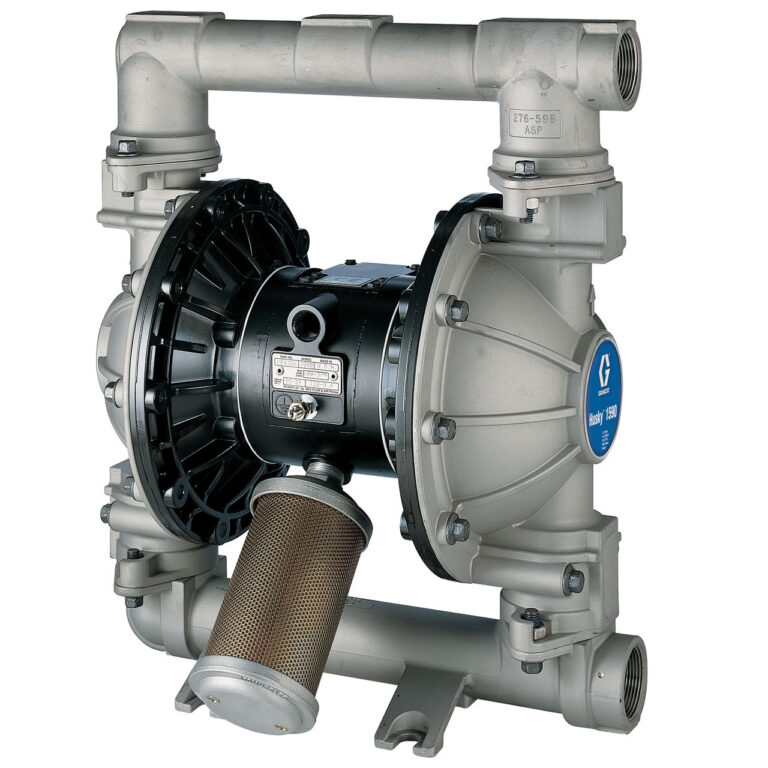
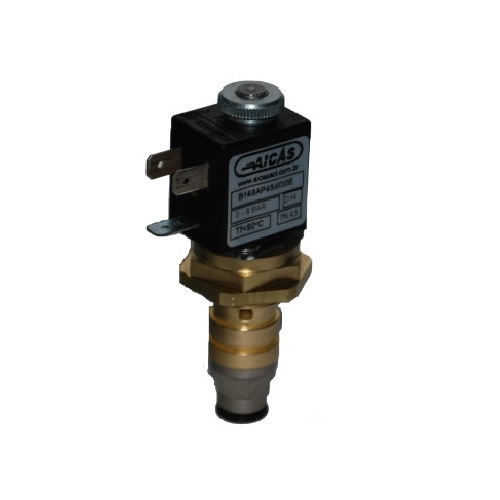
Na automation, compressed gas is essential for the operation of pneumatic systems, which activate actuators and valves. This allows precise control of machines and processes, increasing productivity and precision in operations. Pneumatic systems are preferred in many applications because they are cleaner and require less maintenance compared to hydraulic systems.
In the sector of transport, compressed gas, especially compressed natural gas (CNG), is used as a cleaner alternative to fossil fuels. Vehicles that operate on CNG emit fewer pollutants and are more cost-efficient. This application is becoming increasingly popular, especially in public transport and freight fleets where reducing emissions is a priority.
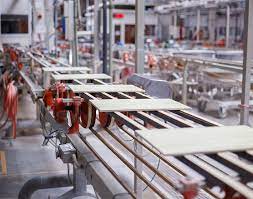
Na manufacture, compressed gas is used in pneumatic tools, which are essential for assembly and manufacturing processes. These tools, such as impact wrenches and spray guns, offer high power and control, allowing operators to perform tasks more efficiently. Furthermore, compressed gas is used in product packaging and transportation processes, ensuring that operations are carried out quickly and efficiently.
In addition to the applications mentioned, compressed gas is also used in refrigeration and air conditioning systems, where gas compression is a fundamental part of the cooling cycle. This demonstrates the wide range of uses for compressed gas across different sectors, making it a valuable resource for modern industry.
Advantages of Using Compressed Gas Benefits of compressed gas, including energy efficiency, safety and cost reduction.
The use of compressed gas offers several advantages which make it a popular choice in various industries. One of the main advantages is the energy efficiency. Compressed gas can be used to perform mechanical work with less energy compared to other methods such as electricity. This translates into lower operating costs and a significant reduction in energy consumption, which is beneficial for both the environment and company budgets.
Another important advantage is the security. Compressed gas, when handled correctly, is safe and reliable. Pneumatic systems do not present the risk of fluid leaks, as occurs in hydraulic systems, reducing the risk of contamination and accidents. Additionally, compressed gas is less flammable than many liquid fuels, which increases safety in industrial environments.
A cost reduction is a significant benefit of using compressed gas. Maintenance of pneumatic systems is generally simpler and less expensive than that of electrical or hydraulic systems. This is due to the lower complexity of the pneumatic components and the durability of the equipment. Furthermore, the energy efficiency mentioned above contributes to a reduction in long-term operating costs.
Furthermore, compressed gas is versatile and can be used in a wide range of applications, from pneumatic tools to transportation and automation systems. This versatility allows companies to integrate compressed gas into different processes, optimizing their operations and increasing productivity.
Safety Considerations when Using Compressed Gas Recommended practices and safety standards for handling and storing compressed gas.
Security considerations They are essential when using compressed gas, as improper handling can lead to serious accidents. It is essential to follow best practices to ensure the safety of everyone involved.
Firstly, all operators must be adequately trained on the use of pneumatic equipment and the risks associated with compressed gas. Training must include recognizing signs of a leak and the correct way to act in emergency situations.
Compressed gas cylinders must be stored in well-ventilated areas and away from heat sources. It is important that the cylinders are always in a vertical position and secured to avoid falling. Furthermore, storing cylinders in areas where they may be exposed to impacts or shocks should be avoided.
Another recommended practice is to carry out regular inspections of cylinders and connections. Checking for signs of corrosion, leaks or damage is crucial to safety. Valves and regulators should be tested periodically to ensure they are working properly.
Furthermore, it is important to use personal protective equipment (PPE), such as protective glasses, gloves and ear protectors, when handling compressed gas. This equipment helps protect workers from possible accidents. To the safety standards must be strictly followed, including the guidelines established by regulatory bodies and technical standards, such as NR-13, which deals with safety in boilers and pressure vessels.
Finally, in the event of a leak, it is vital to know how to act quickly. The location must be evacuated immediately and emergency services must be called. Clear communication and appropriate signage are essential to ensure everyone is aware of the risks and necessary safety measures.