Connection flanges are essential components in pneumatic systems, allowing the safe joining of piping and equipment. At Dupulação, we work with high quality flanges, designed to meet the demands of the industrial market. In this article, we will explore the features and benefits of connecting flanges, highlighting their importance in automation and fluid handling.
1. What are connecting flanges?
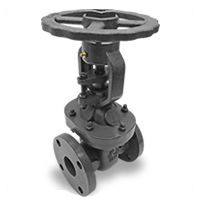
Connecting Flanges are components used to join pipes and equipment in pneumatic and hydraulic systems. They provide a safe and efficient connection, allowing the passage of high pressure fluids.
Flanges are designed to withstand different operating conditions, such as temperature and pressure, ensuring system integrity.
These parts are generally manufactured from materials such as carbon steel, stainless steel and aluminum, depending on the application and environmental requirements. THE standardization of the flanges is essential, as it facilitates the assembly and maintenance of the systems.
There are specific standards, such as ANSI and DIN, that define the dimensions and characteristics of flanges, ensuring compatibility between different manufacturers.
Furthermore, flanges can be classified into different types such as weld flanges, bore flanges and plug-in flanges. Each type has specific characteristics that meet different installation and operation needs.
Choosing the correct flange is essential to prevent leaks and ensure system efficiency.
2. Types of flanges available in Duplation
At Duplação, we offer a variety of connecting flanges that meet different industrial needs. Each type of flange is designed for specific applications, ensuring the best performance and safety in pneumatic and hydraulic systems.
Weld Flanges They are widely used in systems that require a permanent connection. They are welded directly to the pipes, providing a robust, leak-resistant connection.
Flanges from furo They are ideal for mounting on equipment that requires quick and easy connection. They have holes that allow fixing with screws, facilitating installation and maintenance.
Snap-on flanges They are designed to allow quick assembly and disassembly, and are widely used in applications that require frequent maintenance. This type of flange is ideal for systems that need to be adjusted or repaired regularly.
Furthermore, Dupulação offers flanges in different materials, such as carbon steel, stainless steel e aluminum, each with its specific properties that meet resistance and durability requirements. The choice of material is crucial to guarantee the efficiency and longevity of the system.
3. Advantages of Duplication Connecting Flanges
As Duplication connection flanges offer several advantages that make them an ideal choice for pneumatic and hydraulic systems. One of the main advantages is the high quality of materials used in manufacturing. We work with carbon steel, stainless steel and aluminum, ensuring resistance and durability in different operating conditions.
Another significant advantage is the standardization flanges, which facilitates installation and maintenance. The flanges follow international standards, such as ANSI and DIN, ensuring compatibility with other system components. This reduces assembly time and minimizes errors during installation.
Additionally, Duplation flanges are designed to withstand high pressures and temperatures, making them suitable for a wide range of industrial applications. This means you can trust the performance of the flanges, even in extreme conditions.
Flanges are also offered in different types such as weld flanges and bore flanges, allowing customers to choose the option that best suits their specific needs. This variety ensures that each customer finds the ideal solution for their project.
Finally, Duplication stands out for its specialized technical support. Our team is always available to help you choose the most suitable flange and offer installation assistance, ensuring your system operates efficiently and safely.
4. How to choose the ideal connection flange?
Choose the ideal connection flange is essential to ensure the efficiency and safety of your pneumatic or hydraulic system. To do this, it is important to consider some essential factors.
First, evaluate the specific application of the flange. Different applications may require flanges with different characteristics, such as resistance to high pressure or temperatures. For example, if the system operates in extreme conditions, stainless steel flanges may be more suitable due to their corrosion resistance.
Then check the standardization norms that the flange must meet. Flanges must follow standards such as ANSI or DIN to ensure compatibility with other system components. This is crucial to avoid problems during installation and operation.
Another point to consider is the flange type. There are weld flanges, hole flanges and plug-in flanges, each with its own advantages. For example, weld flanges are ideal for permanent connections, while plug-in flanges allow for quicker assembly and disassembly.
Furthermore, it is important to analyze the material da flange. The choice of material must be based on the environmental conditions where the flange will be installed. Carbon steel flanges are common in general applications, while aluminum flanges are lighter and can be used in systems that require less weight.
Finally, do not hesitate to consult the Duplation technical team. Our team is ready to help you choose the most suitable flange, considering all the factors mentioned. With the right support, you can ensure your system runs efficiently and securely.