Lubrication equipment plays a crucial role in the maintenance of industrial machines and systems. They ensure that moving components run smoothly and efficiently, reducing wear and tear and extending the life of equipment. In this article, we will explore the different types of lubrication equipment available, their applications and benefits, helping you choose the best solution for your needs.
Types of Lubrication Equipment: An overview of the main types of lubrication equipment available on the market.
Types of Lubrication Equipment: There are several types of lubrication equipment available on the market, each designed to meet specific needs.
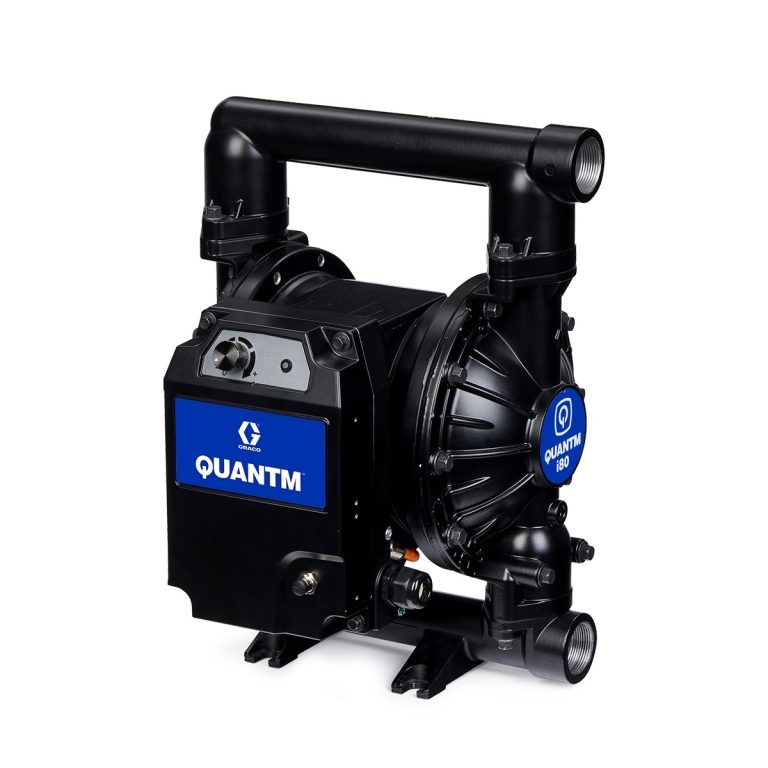
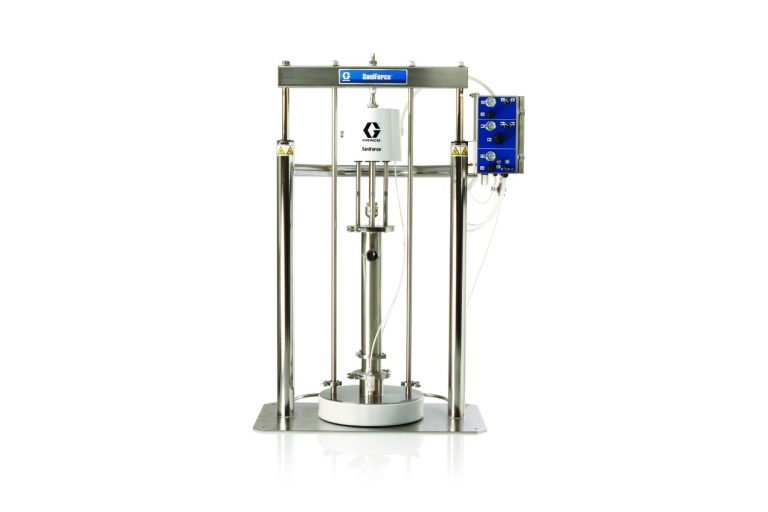
Lubrication Pumps are essential for the distribution of lubricants in industrial systems. They can be manual or automatic and are used in machines that require constant lubrication.
Automatic Lubricators These are devices that continuously supply lubricant, ensuring that moving parts are always well lubricated, which reduces wear and increases efficiency.
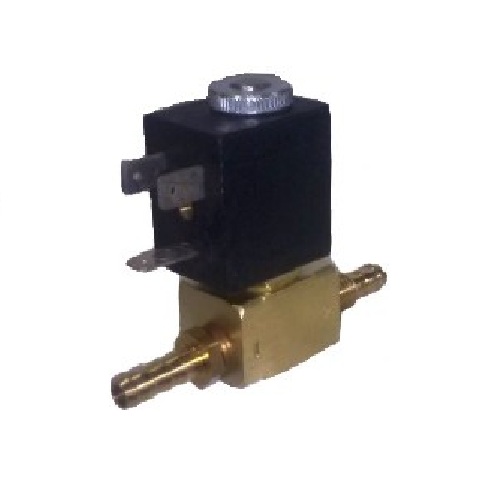
Lubrication Valves control the flow of lubricant, allowing precise adjustments in the amount applied.
Lubrication Reservoirs They store the lubricant and are designed to facilitate maintenance and refueling.
Lubrication Filters are essential for removing impurities from the lubricant, ensuring that only clean fluids reach critical components. Each type of equipment plays a vital role in maintaining operational efficiency and preventing mechanical failures.
Benefits of proper lubrication: Correct lubrication is crucial to the performance of any machine. It reduces friction between moving parts, which not only increases efficiency but also extends the life of equipment.
With adequate lubrication, it is possible to avoid unexpected stops, which can result in high maintenance and repair costs. Furthermore, correct lubrication contributes to energy savings, as well-lubricated machines operate more efficiently.
Industrial Applications of Lubrication Equipment: Lubrication equipment is used in various industries, such as the automotive industry, where it is essential for the maintenance of engines and transmissions.
In the manufacturing industry, they ensure machines operate smoothly, increasing productivity. In the food industry, adequate lubrication is vital to ensure the safety and efficiency of processes.
Lubrication equipment is also used in sectors such as mining and construction, where operating conditions are harsh and maintenance is critical.
Maintenance and Support for Lubrication Equipment: Regular maintenance of lubrication equipment is essential to ensure its optimal functioning.
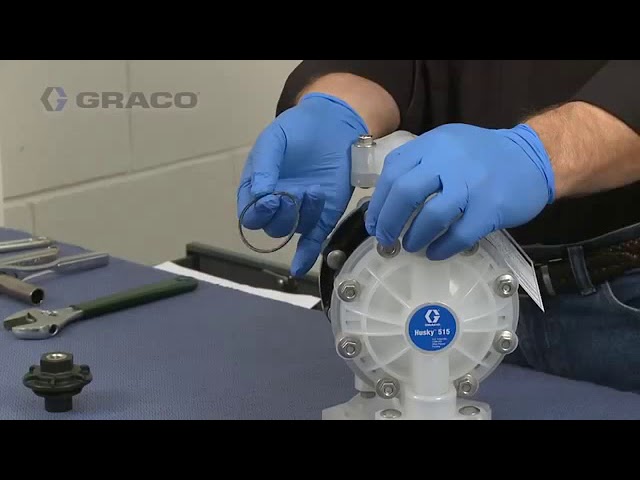
This includes checking lubricant levels, cleaning filters and inspecting pumps and valves. Expert technical support is equally important as it can help identify issues before they become critical.
Having a preventive maintenance plan can significantly reduce operating costs and increase equipment reliability.
Benefits of Proper Lubrication: How correct lubrication can increase efficiency and reduce operating costs.
Benefits of proper lubrication: Correct lubrication is essential for the efficient functioning of machines and equipment. When carried out properly, lubrication reduces friction between moving parts, which reduces wear and extends the useful life of components. This results in fewer unscheduled stops, increasing productivity. Additionally, proper lubrication helps prevent overheating, which can cause catastrophic failures.
Energy Saving: Well-lubricated machines operate more efficiently, consuming less energy. This translates into a significant reduction in operating costs. Lubrication also prevents corrosion and oxidation, protecting internal components and ensuring consistent performance over time.
Maintenance Cost Reduction: With correct lubrication, the need for corrective maintenance decreases. This means fewer resources are spent on repairs and replacements. Furthermore, adequate lubrication can increase process efficiency, resulting in faster production with less waste.
Impact on Product Quality: In industries where precision is crucial, such as food and pharmaceuticals, correct lubrication ensures that equipment operates within specifications. This results in higher quality products that comply with regulatory standards.
Safety at Work: Proper lubrication also contributes to a safer work environment. Machines that operate smoothly and efficiently are less likely to experience unexpected failures, reducing the risk of accidents. Therefore, investing in an effective lubrication system is essential to ensure operational efficiency and employee safety.
Industrial Applications of Lubrication Equipment: Exploration of the various industries that benefit from the use of lubrication equipment.
Industrial Applications of Lubrication Equipment: Lubrication equipment is essential in several industries, playing a crucial role in the maintenance and operation of machines.
Na automotive industryFor example, lubrication systems ensure that engines and transmissions work efficiently, reducing friction and wear on parts. This is vital for the performance and durability of vehicles.
In the manufacturing industry, production machines such as lathes and milling machines depend on adequate lubrication to operate at high speed and precision. Lack of lubrication can lead to mechanical failures, resulting in production stops and high costs.
In the food industry, correct lubrication is essential to guarantee the safety and hygiene of processes. Lubrication equipment that meets sanitary standards is used to avoid contamination.
In mining, where conditions are harsh, lubrication equipment is designed to withstand harsh environments, ensuring machines operate reliably.
In construction, crane and excavator lubrication is crucial to the safe and efficient operation of this heavy equipment.
In addition, the petrochemical industry uses lubrication systems to maintain the efficiency of pumps and compressors, which are essential for the transportation and processing of oil and gas.
Each of these industries benefits greatly from the use of lubrication equipment, which not only increases operational efficiency but also ensures the safety and quality of final products.
Maintenance and Support for Lubrication Equipment: Importance of regular maintenance and technical support to ensure optimal operation of equipment.
Maintenance and Support for Lubrication Equipment: Regular maintenance of lubrication equipment is essential to ensure its optimal functioning and extend the useful life of the systems. This includes periodic checking of components such as bombs, Valves e reservoir.
Lack of maintenance can lead to failures that result in unexpected downtime and high costs. Visual Inspections must be carried out to identify leaks and wear. Furthermore, it is important to monitor lubricant levels and fluid quality, as contamination can compromise the effectiveness of lubrication.
Technical Support is equally important. Having access to qualified professionals can help resolve issues quickly. This includes the ability to fine-tune lubrication systems, ensuring they operate within recommended specifications.
Training for the maintenance team it is also crucial. Well-trained employees can identify problems before they become critical, saving time and resources.
Additionally, a preventive maintenance plan must be implemented, including maintenance schedules and records of services performed. This not only helps keep equipment in good condition, but also makes it easier to identify failure patterns that can be addressed.
Therefore, investing in maintenance and technical support is essential to maximize the efficiency and reliability of lubrication equipment.