Pneumatic pressure distribution is a crucial aspect of industrial automation, allowing effective process control and the maximization of operational efficiency. In this article, we will explore the fundamental principles of pressure distribution, their practical applications and how to implement effective solutions in pneumatic systems.
1. What is pneumatic pressure distribution?
Pneumatic pressure distribution It refers to the process of controlling and managing air pressure on pneumatic systems. These systems use compressed air to transmit energy and perform mechanical work. Proper pressure distribution is essential to ensure that all system components work efficiently and effectively.
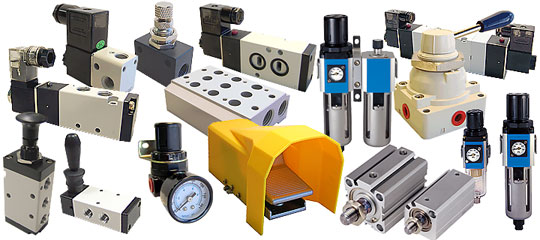
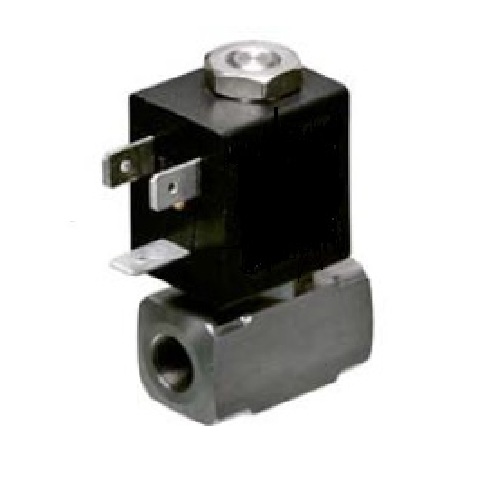
Valves, actuators and pipes They are key elements that play a key role in pressure distribution.
When compressed air is generated, it is sent through a piping network to devices that need energy. THE pressure it must be evenly distributed to avoid failures and ensure that each part of the system receives the necessary amount of air. This is crucial in industrial applications where precision and reliability are essential.
Furthermore, pneumatic pressure distribution can be adjusted to meet different operation requirements. This means that, depending on the application, the pressure can be increased or decreased to optimize system performance. The use of pressure regulators e sensors allows you to monitor and adjust pressure in real time, ensuring that the system operates within desired parameters.
In short, pneumatic pressure distribution is a vital aspect of industrial automation, as it ensures that compressed air energy is used efficiently and controlled.
2. Operating principles
The operating principles of pneumatic pressure distribution They are based on the use of compressed air to generate movement and do work. The pneumatic system consists of several parts, including compressor, reservoir, pipes, Valves e actuators. Each of these components plays a key role in the operation of the system.
O compressor It is responsible for generating compressed air. It sucks the ambient air and compresses it, increasing its pressure. This compressed air is stored in a reservoir, which serves as an energy bank. Air pressure in the reservoir is controlled by safety valves e regulators, ensure that the pressure does not exceed the safe limits.
When compressed air is necessary, it is released from the reservoir through pipes even the devices that need energy. To the Valves They control the air flow, allowing it to be directed to different parts of the system. This is done through actuators, which may be pneumatic or electrical, depending on the application.
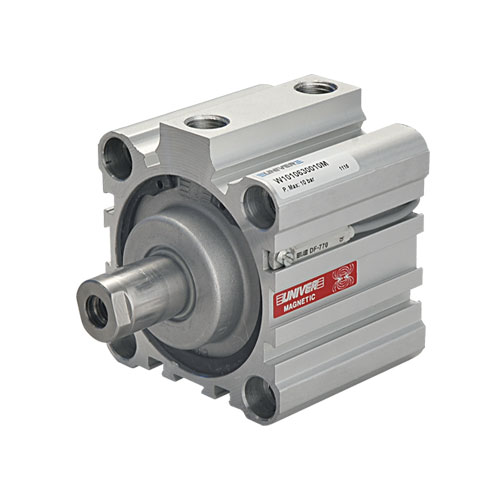
Os actuators convert the energy of compressed air into mechanical motion. For example, a pneumatic actuator may open or close a valve, move a cylinder or trigger a mechanism. Precision in pressure control is crucial as it determines the strength and speed of movement.
In addition, the use of sensors e controllers Allows you to monitor and adjust the pressure in real time, ensuring that the system operates efficiently. These operating principles are essential for the automation of industrial processes, where reliability and accuracy are fundamental.
3. Practical applications
Pneumatic pressure distribution It has several practical applications in different industrial sectors. One of the main uses is in process automation, where compressed air is used to drive machines and equipment. For example, on assembly lines, pneumatic actuators are employed to move parts and components quickly and efficiently.
Another important application is in packaging industry. Pneumatic systems are used to fill, seal and label products. Precise pressure control ensures that packaging is made consistently, avoiding waste and improving the quality of the final product.
Na automotive industry, pneumatic pressure distribution is essential for vehicle painting. Pneumatic painting systems allow for uniform paint application, resulting in high-quality finishes. Furthermore, controlled pressure helps reduce material consumption and minimize environmental impact.
Em HVAC installations (heating, ventilation and air conditioning), pneumatic pressure distribution is used to control air flow in buildings. This ensures that environments are maintained at comfortable temperatures and that air quality is adequate.
In addition, the industrial maintenance benefits from pneumatic pressure distribution. Pneumatic tools, such as impact wrenches and drills, are widely used for assembling and disassembling equipment. The efficiency of these tools depends on adequate compressed air pressure, allowing operators to perform tasks quickly and accurately.
4. Advantages and Challenges
Pneumatic pressure distribution It has several advantages that make it a popular choice in industrial systems. One of the main advantages is the energy efficiency. Pneumatic systems can operate with less energy compared to electrical systems, especially in applications that require force and movement. This results in lower operating costs and a reduced environmental footprint.
Another advantage is the flexibility of pneumatic systems. They can be easily adapted for different applications and can be configured to meet specific needs. This is especially useful in production environments where demands can change quickly.
In addition, the maintenance of pneumatic systems tends to be simpler and less expensive. Because compressed air does not require complex electrical components, the likelihood of failures is reduced. This results in fewer unscheduled stops and greater productivity.
However, there are also challenges associated with pneumatic pressure distribution. One of the main challenges is the pressure loss in the pipes. Leaks can occur, leading to a decrease in system efficiency and increased operating costs. Therefore, it is crucial to carry out regular maintenance and inspections to identify and fix leaks.
Another challenge is the need for clean compressed air. Contaminants in the air, such as moisture and particles, can damage system components and affect performance. Filtration and drying systems are essential to guarantee the quality of compressed air.
Finally, the compressed air dependence may be a limitation in some applications. In locations where the compressed air supply is unstable, the reliability of the pneumatic system may be compromised. Therefore, it is important to consider these factors when designing and implementing pneumatic systems.